Australia’s Migration Crisis: Business Leaders Sound the Alarm as Politicians Push for Drastic Cuts
- Australia’s business leaders warn that drastic cuts to migration could lead to critical worker shortages in aged care, construction, and other vital industries.
- Top entrepreneurs, including Ruslan Kogan and Graham Turner, speak out against proposed reductions in the migration intake, citing the need for skilled workers to fuel economic growth.
- As politicians debate the issue, the country’s migration rate is expected to fall from 300,000 to 245,000 this financial year, sparking fears of a brain drain and skills shortage.
- The residential construction industry, which relies heavily on migrant workers, could be particularly hard hit, with Metricon CEO Brad Duggan warning of a 40% fall in inquiries to build new homes.
Australia’s business leaders are sounding the alarm as politicians push for drastic cuts to the country’s migration intake, warning that such a move could lead to critical worker shortages in vital industries such as aged care, construction, and healthcare.
The proposed reductions have sparked fears of a brain drain and skills shortage, with top entrepreneurs speaking out against the plans.
At the heart of the debate is the question of how to balance the need for skilled workers to fuel economic growth with concerns about the impact of migration on Australian society.
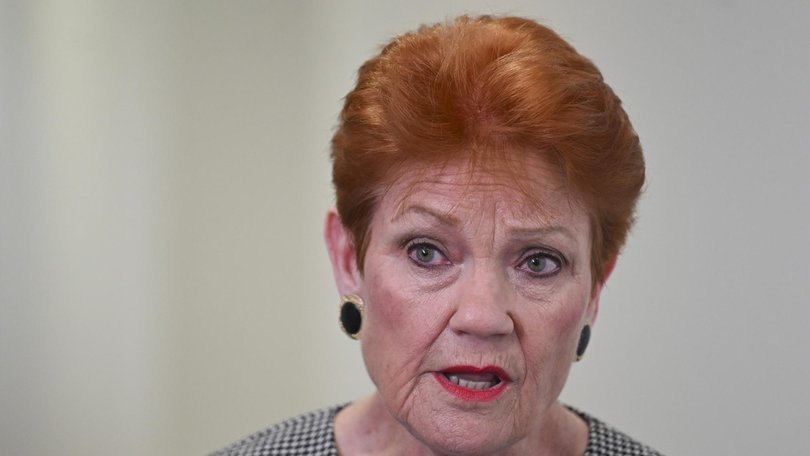
While some politicians, including One Nation leader Pauline Hanson, are calling for a significant reduction in the migration intake, business leaders argue that this could have devastating consequences for the economy.
Ruslan Kogan, the founder of e-commerce company Kogan Australia, is one of the most vocal critics of the proposed cuts. A migrant himself, Kogan arrived in Australia with his family in 1989 and has since built a business empire.




He believes that immigration is essential to Australia’s economic growth and that the country should be selective about the type of migrants it allows in.
“We want people to come here and embrace our culture, our values, and the Western way of life,” Kogan said. “We don’t want to change our way of life.
We like our Western values. We like our rule of law.
We like our robust legal system and the way that the systems and structures in our society work.”
Graham Turner, the CEO of Flight Centre, agrees that immigration is essential to Australia’s economic growth. “Immigration, for Australia, is the main way we grow,” he said.
“I would say somewhere in that 200,000 to 300,000 a year [range], which is more or less in the middle of the Labor Party’s proposals, is probably reasonable.”
But not all business leaders are convinced that the current migration intake is sustainable.
Esha Oberoi, the co-CEO of Leora Healthcare, which provides aged care and disability services, warns that a cut to the migration intake would be damaging to her business.
“We employ close to 800 employees and over 45% of them are on visas,” she said. “There is a huge dependency for us on immigration.
We know that in the next decade, nearly 1.5 million people over the age of 65 are going to enter the aged care system.”
The residential construction industry is another sector that relies heavily on migrant workers.
Metricon CEO Brad Duggan warns that a cut to the migration intake could lead to a shortage of skilled workers, exacerbating the already severe shortage of housing in Australia.
“Large communities have come in and taken up responsibility for certain trades, and they’re a really important part of the Australian residential housing industry,” he said.
Analysis: What This Means for Australia
The debate over migration is not just about numbers; it’s about the kind of country Australia wants to be. Do we want to be a nation that welcomes skilled workers and entrepreneurs, or do we want to shut our doors to the world?
The answer to this question has significant implications for our economy, our culture, and our way of life.
Security analysts say that a reduction in the migration intake could lead to a brain drain, as skilled workers are deterred from coming to Australia.
This could have serious consequences for our national security, as we rely on these workers to fill critical roles in industries such as healthcare and technology.
Law enforcement insiders warn that a cut to the migration intake could also lead to an increase in illegal immigration, as desperate workers seek to enter the country through other means.
This could put a strain on our border control systems and lead to an increase in crime.
Industry observers believe that the key to resolving the migration debate is to find a balance between the need for skilled workers and the need to protect Australian jobs.
This could involve introducing more stringent visa requirements, increasing funding for training programs, and providing incentives for businesses to hire Australian workers.
Ultimately, the migration debate is a complex issue that requires a nuanced and thoughtful approach. As Ruslan Kogan said, “We need to be very selective about the type of migrants we let in.
We want people who want to work, who want to contribute, and who want to become Australians.”