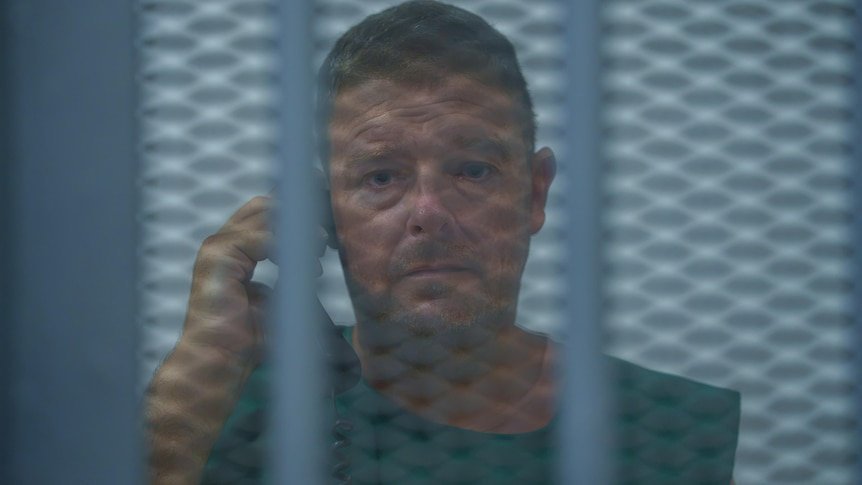
Exclusive: Australian Man Accused of Murdering Thai Teenager Claims Self-Defence, Faces Death Penalty if Found Guilty
- Australian man Simon Peter Carman, 45, has been charged with murdering 17-year-old Tunchanok Donhomla in Thailand.
- Carman claims he acted in self-defence, saying the teenager pulled a knife on him and he was forced to restrain her.
- If found guilty, Carman faces the death penalty or life in prison, with the victim’s father calling for the harshest punishment possible.
- The case has sparked outrage in Thailand, with many calling for justice for the young victim, known affectionately as “Cake”.
The case of Simon Peter Carman, the Australian man accused of murdering a 17-year-old Thai girl, has sent shockwaves through both Australia and Thailand.
In an exclusive interview with the ABC, Carman maintained his innocence, claiming he acted in self-defence when the teenager, Tunchanok Donhomla, pulled a knife on him.
However, the prosecution’s case against him is strong, with CCTV footage showing Carman dragging a large suitcase out of his condo building, which was later found to contain the victim’s body.

According to Carman, he met Tunchanok on the street, where she was accompanied by two friends. He claimed she followed him back to his accommodation, where he gave her 500 baht ($21) for “nothing”.
However, when she asked for more money and pulled a knife, Carman said he was forced to restrain her. “I honestly do not know why she followed me home,” he said.



“I was not aware she was a minor at the time, and believed she was roughly 25 to 35 years old.”
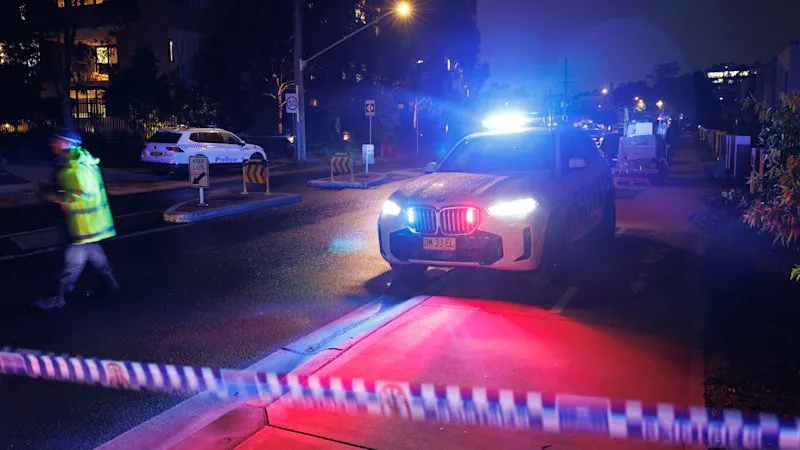
The events that unfolded that night are still unclear, but what is certain is that Tunchanok’s body was found in a suitcase, which had been dumped along railway tracks near Carman’s accommodation.
The autopsy report revealed that she had died from suffocation, with a brain injury and no other visible injuries. Carman’s DNA was also matched to DNA found on the victim’s body.
The case has sparked outrage in Thailand, with many calling for justice for the young victim. Tunchanok’s father, Thongchai Donhomla, has expressed his deep heartbreak over the case, saying he wants Carman to receive the harshest punishment possible.
“I want Simon to receive the death penalty or life in prison to serve as a lesson for others,” he said. “I don’t ask for much.
I just hope my child gets the justice she deserves.”
Analysis: What This Means for AustraliaThe case highlights the risks faced by Australians travelling abroad, particularly in countries with different laws and cultural norms.
It also raises questions about the effectiveness of the Australian government’s support for citizens in trouble overseas.
While the Department of Foreign Affairs and Trade provides assistance to Australians in need, the case of Simon Peter Carman serves as a stark reminder of the limitations of this support.
Law enforcement insiders warn that the case is a classic example of the dangers of cultural and social misunderstandings. “This case highlights the importance of cultural awareness and sensitivity when interacting with people from different backgrounds,” said one expert.
“It also underscores the need for Australians to be aware of the laws and customs of the countries they visit.”
The case also has implications for Australia’s relationship with Thailand, which is a popular tourist destination for Australians.
The Thai government has been under pressure to address concerns about safety and security for tourists, and the case of Simon Peter Carman is likely to add to these concerns.
As the case against Carman proceeds, it is clear that the outcome will have significant implications for Australia, both in terms of the potential consequences for the accused and the broader impact on the country’s relationship with Thailand.
The case of Simon Peter Carman, the Australian man accused of murdering a 17-year-old Thai girl, has sent shockwaves through both Australia and Thailand. In an exclusive interview with the ABC, Carman maintained his innocence, claiming he acted in self-defence when the teenager, Tunchanok Donhomla, pulled a knife on him. However, the prosecution’s case against him is strong, with CCTV footage showing Carman dragging a large suitcase out of his condo building, which was later found to contain the victim’s body.
According to Carman, he met Tunchanok on the street, where she was accompanied by two friends. He claimed she followed him back to his accommodation, where he gave her 500 baht ($21) for “nothing”. However, when she asked for more money and pulled a knife, Carman said he was forced to restrain her. “I honestly do not know why she followed me home,” he said. “I was not aware she was a minor at the time, and believed she was roughly 25 to 35 years old.”
The events that unfolded that night are still unclear, but what is certain is that Tunchanok’s body was found in a suitcase, which had been dumped along railway tracks near Carman’s accommodation. The autopsy report revealed that she had died from suffocation, with a brain injury and no other visible injuries. Carman’s DNA was also matched to DNA found on the victim’s body.
The case has sparked outrage in Thailand, with many calling for justice for the young victim. Tunchanok’s father, Thongchai Donhomla, has expressed his deep heartbreak over the case, saying he wants Carman to receive the harshest punishment possible. “I want Simon to receive the death penalty or life in prison to serve as a lesson for others,” he said. “I don’t ask for much. I just hope my child gets the justice she deserves.”
The case highlights the risks faced by Australians travelling abroad, particularly in countries with different laws and cultural norms. It also raises questions about the effectiveness of the Australian government’s support for citizens in trouble overseas. While the Department of Foreign Affairs and Trade provides assistance to Australians in need, the case of Simon Peter Carman serves as a stark reminder of the limitations of this support.
Law enforcement insiders warn that the case is a classic example of the dangers of cultural and social misunderstandings. “This case highlights the importance of cultural awareness and sensitivity when interacting with people from different backgrounds,” said one expert. “It also underscores the need for Australians to be aware of the laws and customs of the countries they visit.”
The case also has implications for Australia’s relationship with Thailand, which is a popular tourist destination for Australians. The Thai government has been under pressure to address concerns about safety and security for tourists, and the case of Simon Peter Carman is likely to add to these concerns.
As the case against Carman proceeds, it is clear that the outcome will have significant implications for Australia, both in terms of the potential consequences for the accused and the broader impact on the country’s relationship with Thailand.