Australia’s New Eye in the Sky: Drones Set to Revolutionise Coastline Surveillance and Crack Down on People Smuggling
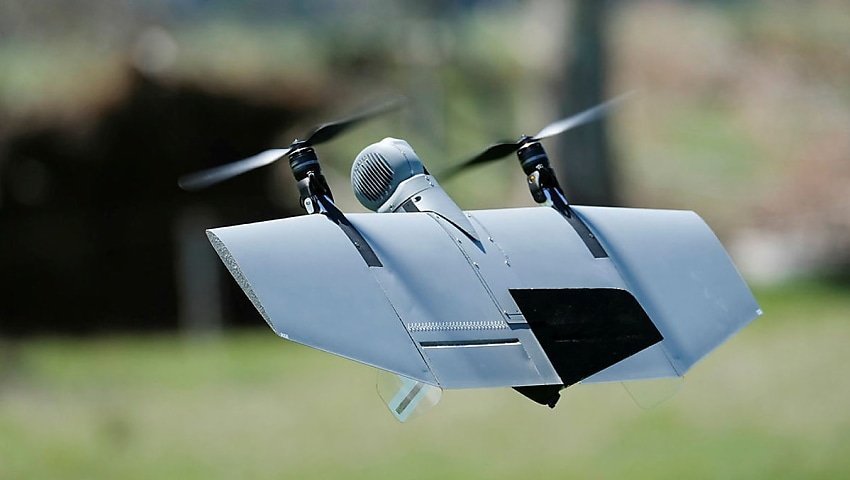
- Australia’s Department of Home Affairs is on the hunt for a game-changing new tool in the fight against people smuggling and illegal activity at sea: drones capable of surveilling the coastline for over 30 hours at a time.
- The move comes as the Australian Border Force struggles to keep tabs on the nation’s vast maritime industry, with the department seeking industry expertise on aerial surveillance systems that can detect, track, and identify vessels in remote and challenging conditions.
- Security specialists say the technology is “brilliant” for monitoring Australia’s 35,000km coastline, and could be used to target people smugglers, illegal fishing operations, and vessels carrying contraband.
- The development could also provide a major boost to Australia’s national security, with the potential to prevent terrorist activity and other illicit operations.
Australia’s coastline is a vast and unforgiving frontier, stretching over 35,000km and providing a haven for people smugglers, illegal fishermen, and other nefarious operators.
But a new tool could be about to revolutionise the way the nation’s borders are protected: drones capable of surveilling the coastline for over 30 hours at a time.
The Department of Home Affairs is currently exploring the use of uncrewed aircraft as part of its efforts to bolster the Australian Border Force’s capabilities, with the department seeking industry expertise on aerial surveillance systems that can detect, track, and identify vessels in remote and challenging conditions.
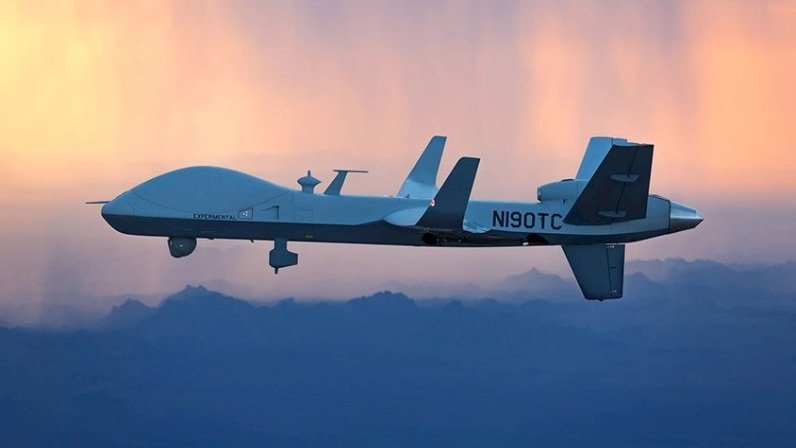
The technology could be used to target people smugglers, illegal fishing operations, and vessels carrying contraband, while providing around-the-clock support to Maritime Border Command and Operation Sovereign Borders.
According to security specialist Will Geddes, the technology is “brilliant” for monitoring Australia’s coastline.


“They’re very, very, very good because what you’ve got is unmanned equipment and surveillance equipment to basically monitor the coastline for a variety of different reasons,” he said.
“It could be foreign illegal fishermen. It could be people smugglers.
It could be contraband of various different types and could include terrorism. It’s a very effective means of dealing with approximately 35,000km of coastline.”
Australia’s military already operates the MQ-4C Triton, a long-endurance aircraft that can remain airborne for extended missions that would be impossible for a crewed plane.
Unlike autonomous aircraft, Tritons are flown by qualified Air Force pilots from ground stations with the support of co-pilots and other operational staff. The high-altitude aircraft can remain airborne far longer than conventional planes carrying pilots, removing many of the physical limitations associated with crewed surveillance missions.
No decision has been made to purchase a drone fleet, but the search for new technology follows longstanding concerns about the availability of aircraft and pilots for Australia’s civil maritime surveillance operations.
Border Force aerial flying hours fell 20.7 per cent in 2022-23 compared with 2020-21, while maritime patrol days dropped 12.2 per cent over the same period.
However, the latest Home Affairs annual report indicated that the availability of its aircraft and blue-water vessels had since broadly returned to targeted levels.
Analysis: What This Means for Australia
The potential deployment of drones for coastline surveillance has significant implications for Australia’s national security. With the nation’s borders under increasing pressure from people smugglers and other illicit operators, the need for effective surveillance and monitoring has never been greater.
The use of drones could provide a major boost to the Australian Border Force’s capabilities, allowing for the detection and tracking of suspicious vessels and the prevention of terrorist activity.
Security analysts say that the technology has the potential to revolutionise the way Australia’s borders are protected. “The use of drones for coastline surveillance is a game-changer,” said one expert.
“It provides a level of flexibility and persistence that is not possible with manned aircraft. The ability to stay airborne for over 30 hours at a time means that drones can provide continuous surveillance, even in remote and challenging conditions.”
Law enforcement insiders warn that the use of drones will also require significant investment in supporting infrastructure, including ground stations and data analysis capabilities. “The drones are just one part of the equation,” said one insider.
“We need to make sure that we have the systems in place to support them, including the ability to analyse and act on the intelligence they provide.”
Industry observers believe that the deployment of drones for coastline surveillance could also have significant economic benefits for Australia.
“The use of drones could help to prevent the loss of billions of dollars in revenue due to people smuggling and other illicit activities,” said one observer.
“It could also help to support the growth of legitimate industries, such as fishing and tourism.”