
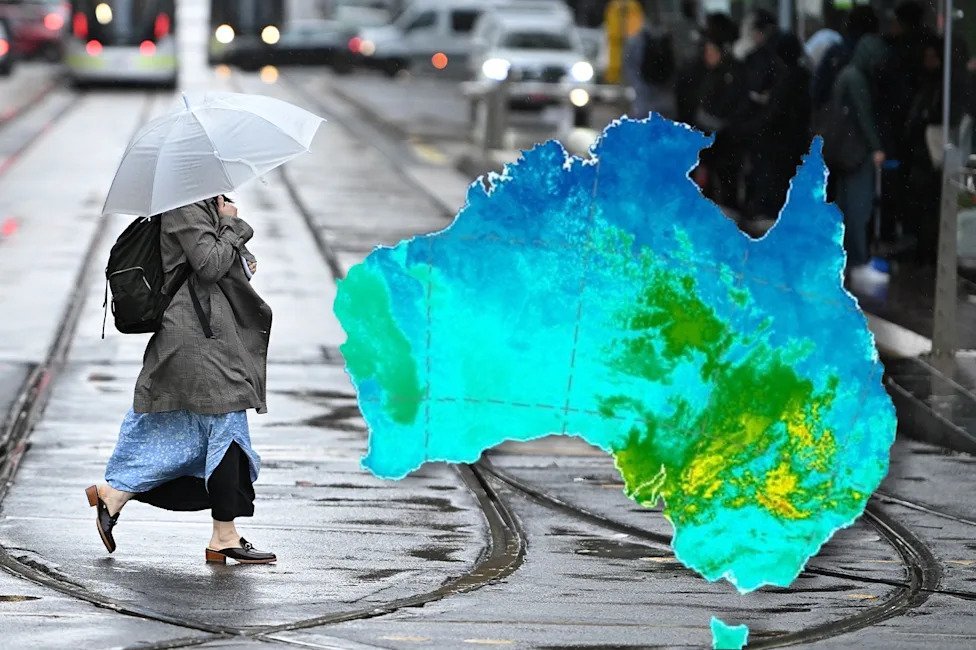
Australia Braces for Torrential Downpours and Flash Flooding as ‘Big System’ Bears Down on the East Coast
- Millions of Australians are on high alert as a low-pressure system brings heavy rain and flash flooding to the east coast, with northeastern Victoria and southern NSW expected to bear the brunt.
- Flood warnings have been issued for the Kiewa, Loddon, and Avoca catchments, with river levels expected to rise between Monday and Wednesday.
- The weather system, which began in Western Australia and the Northern Territory, is expected to bring 40-60mm of rain to some areas, with higher totals possible in northern Victoria.
- Experts warn that even moderate rainfall could have significant impacts, with creeks running and flash flooding likely in already saturated areas.
The east coast of Australia is bracing for a deluge of biblical proportions, with a low-pressure system threatening to unleash torrential downpours and flash flooding across millions of homes.
Northeastern Victoria and southern NSW are expected to bear the brunt of the system, which has already begun to make its presence felt in South Australia.
According to David Crock, senior meteorologist at the Bureau of Meteorology, the system will bring “quite heavy rain to many areas, particularly northeastern Victoria and southern NSW”.
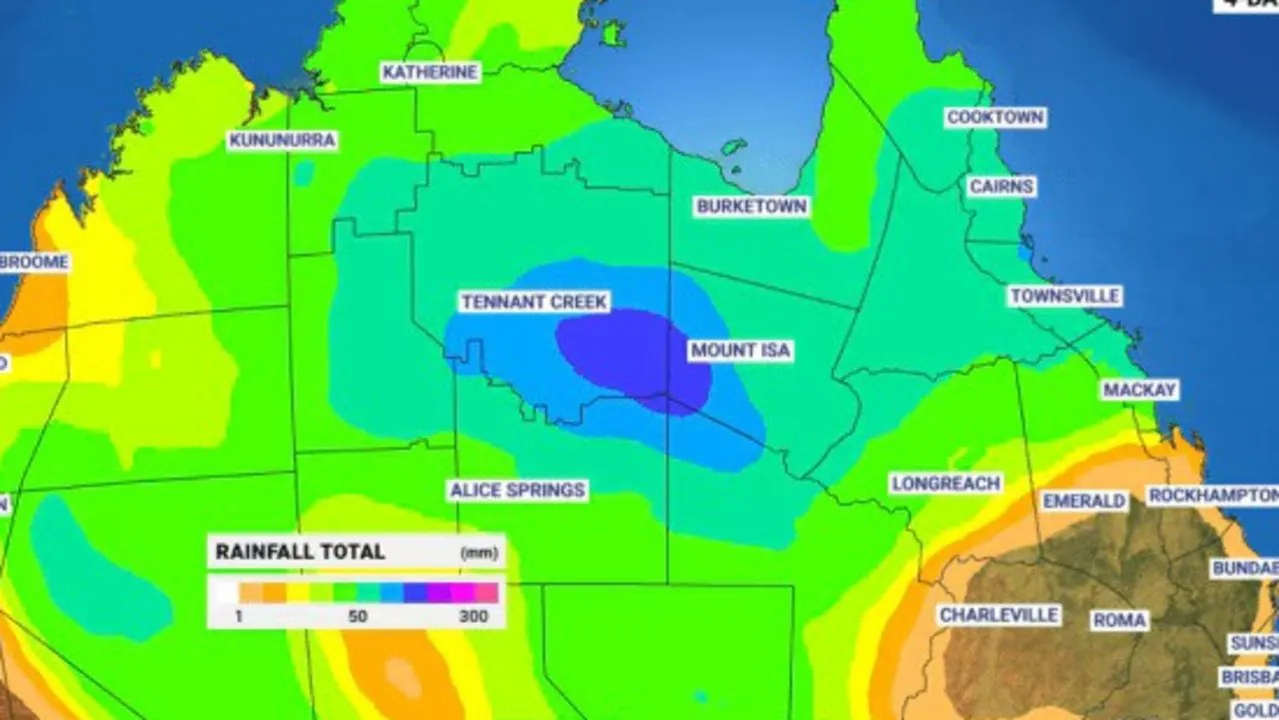
Some areas could see up to 60mm of rain on Tuesday, with higher totals possible in northern Victoria. Flood warnings have been issued for the Kiewa, Loddon, and Avoca catchments, with river levels expected to rise between Monday and Wednesday.
The system began over far eastern Western Australia and southern Northern Territory before reaching South Australia on Monday. From there, it will continue tracking east before reaching the Tasman Sea on Wednesday.
Along the way, it is expected to bring strong winds to the Far West Coast, Upper West Coast, Lower West Coast, Central Coast, and Spencer Gulf.
But the real concern is the impact on already saturated areas. “Many of those areas are quite wet already following a couple of good rain events in recent weeks,” Mr Crock said.
“Even if the rain numbers aren’t that high, there could be some substantial impacts in terms of creeks running and flash flooding.”
So what does this mean for Australia?
Analysis: What This Means for Australia is that the country is facing a significant threat to public safety and infrastructure.
The east coast is particularly vulnerable, with millions of people living in areas that are at risk of flash flooding. The economic consequences of such an event could be severe, with damage to homes, businesses, and infrastructure likely to run into the millions.
Security analysts say that the government needs to be prepared to respond quickly and effectively to the crisis. “This is not just a matter of providing emergency services,” one analyst said.
“It’s about having a plan in place to mitigate the impact of the flooding and support those affected.” Law enforcement insiders warn that the situation could become chaotic, with looting and civil unrest possible in the worst-affected areas.
Industry observers believe that the flooding could have a significant impact on the economy, particularly in the agricultural sector. “The timing couldn’t be worse,” one observer said.
“The harvest season is just around the corner, and this flooding could decimate crops and livestock.”
As the situation continues to unfold, one thing is clear: Australia is in for a wild ride. With millions of people at risk, it’s essential that the government and emergency services are prepared to respond quickly and effectively.
Stay tuned for further updates as this situation develops.