Bird Flu Outbreak Spreads to Red Fox in Suburban Adelaide as Australia Grapples with Worst Ever H5N1 Crisis
- A red fox found in suburban Adelaide is suspected to have contracted the deadly H5N1 bird flu, sparking fears of a new wave of infections in the country.
- South Australia has recorded the most bird flu events, with 195 confirmed cases, as the national total surpasses 300 infection events since June.
- Experts warn that scavengers like red foxes can shed the virus for days, posing a significant risk to native birds and potentially connecting species and habitats.
- Conservation sites are scrambling to protect native birds in captivity, with vaccination programs underway, but wild bird colonies remain vulnerable.
The discovery of a suspected H5N1 bird flu case in a red fox in suburban Adelaide has sent shockwaves through the Australian community, as the country struggles to contain the worst ever outbreak of the deadly virus.
The fox, found in Osborne, is one of five new suspected bird flu events reported in South Australia, bringing the national total to over 300 infection events since the first case was detected in June.
According to the South Australian Department of Primary Industries and Regions (PIRSA), the fox’s test results are yet to be confirmed by the CSIRO’s Australian Centre for Disease Preparedness in Geelong.
However, if confirmed, it would mark a disturbing new development in the outbreak, which has already affected numerous bird species, including Australian ravens, little penguins, greater crested terns, and Pacific gulls.
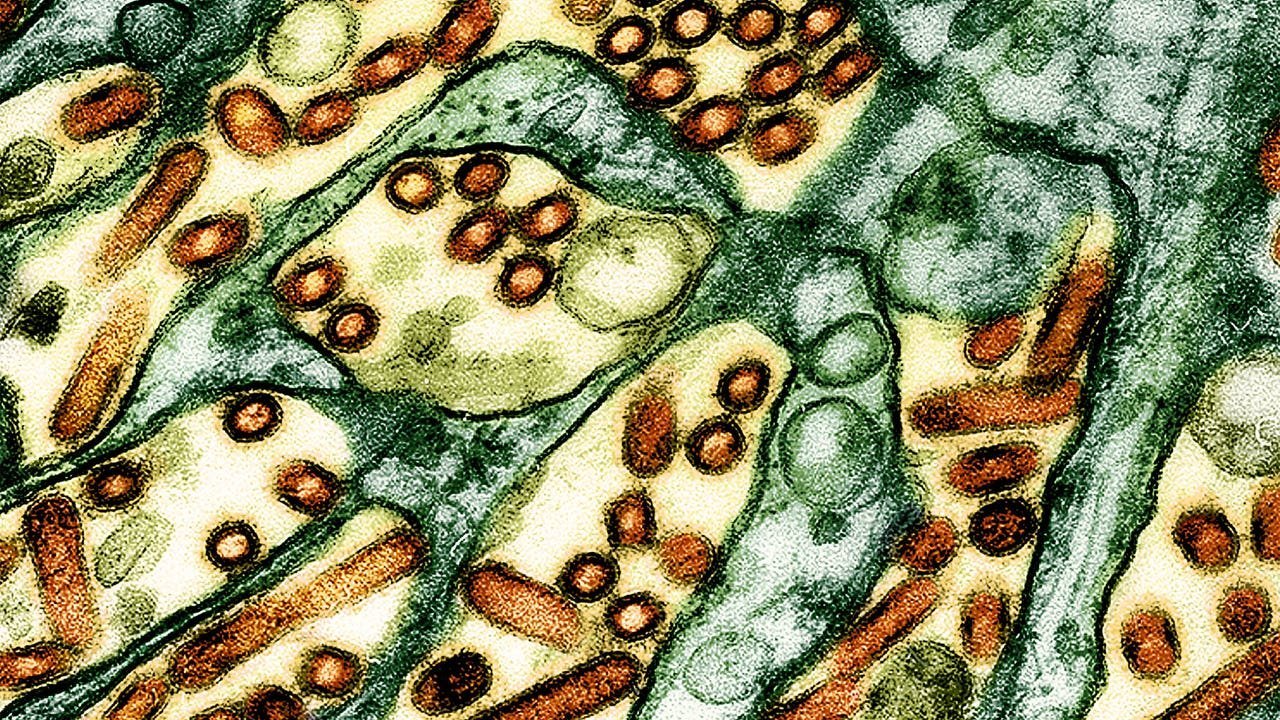
The H5N1 virus, an influenza virus that can infect birds and mammals, including pets, has not been detected in Australian commercial poultry.




However, its presence in wild birds and now potentially in a red fox has raised concerns about the virus’s spread and the risk it poses to native species and human health.
Dr Patrick Finnerty, a conservation ecologist at the University of Sydney, warned that scavengers like red foxes can shed the virus for days, making them a significant risk factor in the spread of the disease.
“This is particularly relevant because scavengers are mobile,” he said. “A fox feeding on a seabird carcass isn’t restricted to the beach where it found it.
Animals can also physically remove parts of carcasses and consume them somewhere else. This means a carcass can connect species and habitats that would otherwise have relatively little direct contact.”
Analysis: What This Means for Australia
The bird flu outbreak has significant implications for Australia’s native bird populations, conservation efforts, and human health.
The fact that the virus has now potentially infected a red fox in suburban Adelaide highlights the need for increased vigilance and cooperation between state and federal authorities, conservation groups, and the community.
Security analysts say that the outbreak has exposed weaknesses in Australia’s biosecurity measures, particularly in relation to the protection of native species and the potential for the virus to spread to humans.
Law enforcement insiders warn that the outbreak has also raised concerns about the potential for the virus to be used as a bioterrorism agent, highlighting the need for increased security measures at conservation sites and other areas where the virus has been detected.
Industry observers believe that the outbreak will have significant economic and social consequences for Australia, particularly in the tourism and conservation sectors. The potential loss of native bird species and the impact on ecosystems could also have long-term consequences for the country’s biodiversity and natural heritage.
As the situation continues to unfold, it is clear that the bird flu outbreak is a complex and multifaceted crisis that requires a coordinated and sustained response from all stakeholders.
With the virus showing no signs of slowing down, it is imperative that Australians remain vigilant and take all necessary precautions to prevent the spread of the disease.