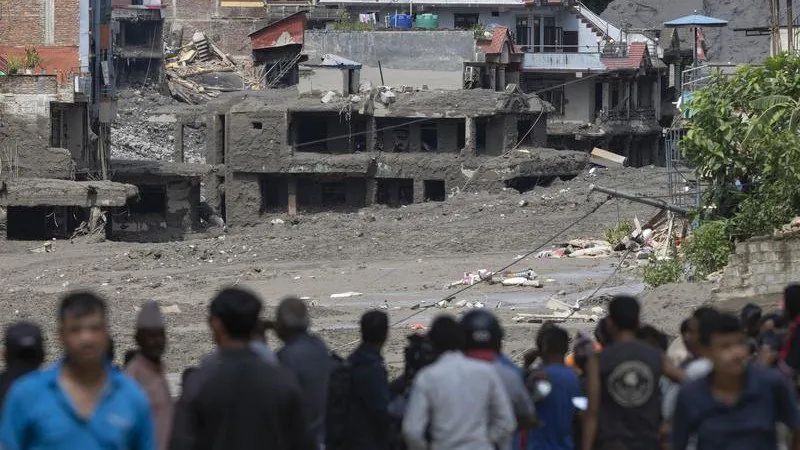
‘Catastrophic’ Flash Floods in Nepal: 22 Australians Missing, 150 Dead as Disaster Unfolds
- At least 22 Australians are missing after devastating flash floods swept through parts of Nepal, with more than 150 people confirmed dead.
- Three tour companies have confirmed their Australian clients are among the missing, with one company saying it has not been able to contact its group of 47 people, including 15 Australians.
- The Australian government is working to confirm the whereabouts and welfare of its citizens, with Foreign Minister Penny Wong saying the “scale of the destruction is devastating”.
- Disaster response teams are being sent to the region, with Australians in Nepal advised to exercise a high degree of caution due to the high risk of road accidents and natural disasters.
The picturesque Langtang Valley in Nepal, a popular destination for Australian hikers, has been transformed into a disaster zone after catastrophic flash floods swept through the area, leaving a trail of destruction and chaos in its wake.
The floods, which occurred on Wednesday morning, have claimed the lives of more than 150 people, with 22 Australians still missing.
Three tour companies, Kathmandu Holiday Tours and Travels, Kailash Journeys, and Himalayan Glacier Adventures, have confirmed that their Australian clients are among the missing.
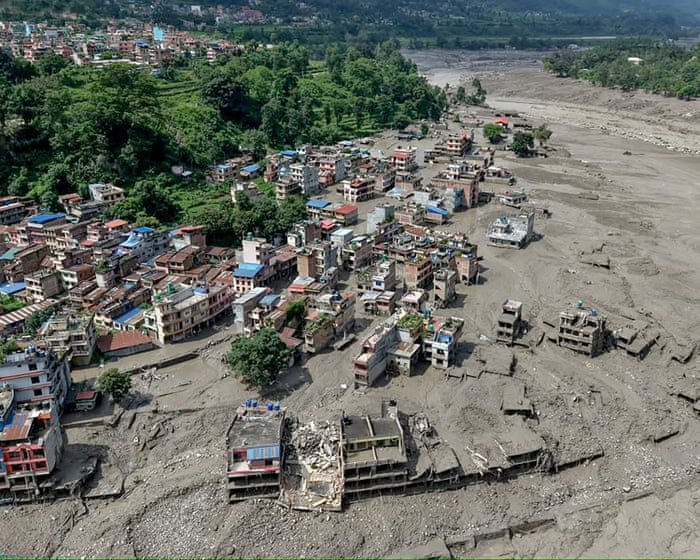
Himalayan Glacier Adventures, a US-based company, said it had not been able to contact its group of 47 people, including 15 Australians, since the flooding occurred.
The group, which also included nine Nepalese, two from the United Kingdom, two from Singapore, and others from the United States and Russia, was on a hiking tour in the Langtang Valley when the floods struck.



Foreign Minister Penny Wong said the Australian government was working to confirm the whereabouts and welfare of its citizens, with crisis response teams being sent to the region.
“The scale of the destruction is devastating,” she said.
“Our priority is to confirm the whereabouts and welfare of these Australians.” Wong added that she had been in contact with Australia’s ambassadors in Nepal and China to offer her support and request that they do “everything they are able” to help locate missing Australians.
The flash floods, which were triggered by heavy rainfall, have destroyed crucial infrastructure, including roads, bridges, and buildings, leaving many areas inaccessible.
The Nepalese government has declared a state of emergency in the affected areas, with rescue efforts underway to locate those missing and provide aid to those affected.
Analysis: What This Means for Australia
The disaster in Nepal has significant implications for Australia, particularly in terms of national security and law enforcement. The fact that 22 Australians are missing highlights the risks associated with travel to foreign countries, particularly those prone to natural disasters.
The Australian government’s response to the crisis will be closely watched, with many questioning whether enough is being done to support Australian citizens in need.
Security analysts say the disaster in Nepal is a wake-up call for Australian authorities, highlighting the need for better emergency response planning and coordination. “This disaster highlights the importance of having robust emergency response plans in place, particularly for Australian citizens traveling abroad,” said one analyst.
“The Australian government needs to ensure that it has the necessary resources and expertise to respond quickly and effectively to crises like this.”
Law enforcement insiders warn that the disaster in Nepal also has implications for border control, with many questioning how the Australian government will respond to the influx of people fleeing the affected areas.
“The Australian government needs to be prepared to respond to the potential influx of people fleeing the affected areas, many of whom may be seeking asylum or other forms of assistance,” said one insider.
Industry observers believe that the disaster in Nepal will also have economic consequences for Australia, particularly in terms of the tourism industry. “The disaster in Nepal will likely have a significant impact on the tourism industry, particularly for companies that operate in the region,” said one observer.
“The Australian government needs to provide support to these companies, as well as to the families of those affected, to help them recover from this disaster.”
As the situation in Nepal continues to unfold, the Australian government’s response will be closely watched. The disaster is a stark reminder of the risks associated with travel to foreign countries, particularly those prone to natural disasters.
The government’s ability to respond quickly and effectively to crises like this will be critical in ensuring the safety and well-being of Australian citizens.