‘Anti-Semitism’ Row Erupts in Western Australia’s Parliament as Greens MP Threatens to Sue Nationals MP Over Gaza Art Display
- A Greens MP is threatening to sue a Nationals MP over claims of anti-Semitism following a heated row over a Gaza art display in Western Australia’s parliament.
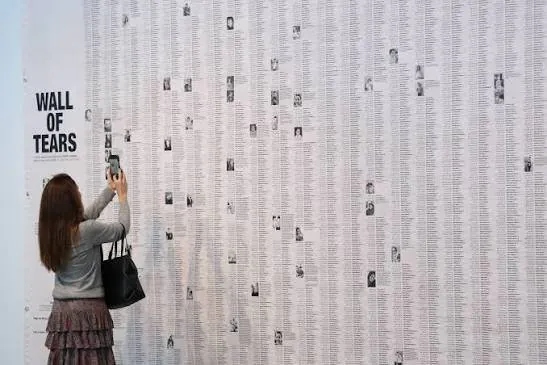
- The artwork, which showed the names of over 18,000 children killed in Gaza, was supported by the Parliamentary Friends of Palestine group and sparked a fiery debate.
- The Nationals MP, Lachlan Hunter, was suspended for four days after calling the exhibit “anti-Semitic” and accusing the Greens of expressing anti-Semitic views.
- The Greens MP, Sophie McNeill, has issued a ‘concerns notice’ to Mr Hunter, asking him to retract his comments, delete social media posts, and apologise.
The controversy began when the artwork, titled “The Wall of Tears”, was displayed in parliament’s courtyard, listing the names of more than 18,000 children killed in Gaza since October 2023.
The exhibit was supported by the Parliamentary Friends of Palestine group, co-convened by Greens MP Sophie McNeill and Labor MP Dave Kelly.
However, Nationals MP Lachlan Hunter took issue with the event, labelling it “anti-Semitic” and claiming it was a platform for “inflammatory and false accusations” that Israel is committing genocide.
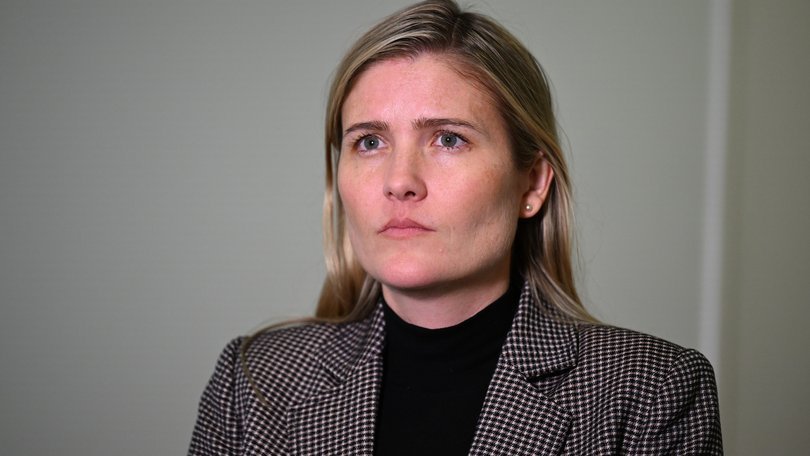
Ms McNeill had earlier described the Israeli actions in Gaza as a “genocide”, citing a United Nations commission of inquiry report that concluded Israel is committing genocide in Gaza.
Israel has denied the accusations, labelling the UN report “distorted and false” and calling for the inquiry’s abolition. Mr Hunter’s comments sparked a heated debate in parliament, with the deputy speaker eventually suspending him for four days.
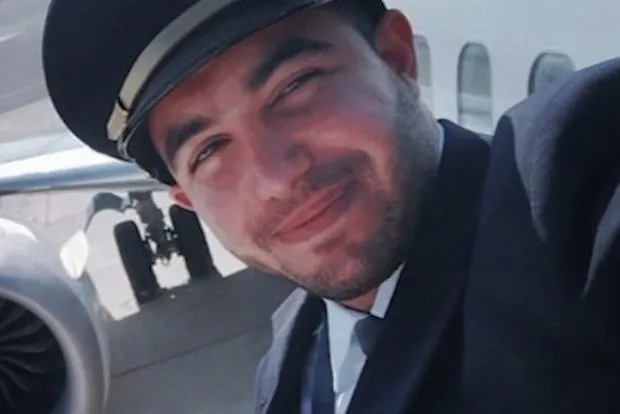
Following his suspension, Mr Hunter told the media that Ms McNeill’s comment about genocide was a “turning point” that made the event “anti-Semitic”. He also claimed that the organisers of the event, Perth Doctors Medical Aid for Palestine, and the Greens had expressed anti-Semitic views previously.
However, Perth Doctors Medical Aid for Palestine has denied these claims, stating that they are “against all forms of racism and religious discrimination” and that advocating for vulnerable Palestinian children is not anti-Semitic.
Ms McNeill has now issued Mr Hunter a ‘concerns notice’, asking him to retract his comments, delete social media posts, and apologise. The notice is an initial step in the process of suing someone for defamation.
“We feel like a line needs to be drawn,” Ms McNeill told 102.5 ABC Perth.
“We want to stop these kinds of intimidatory and bullying tactics against people who are speaking the truth about this conflict and about Gaza and about this genocide.”
Analysis: What This Means for Australia
The controversy highlights the growing tensions between pro-Palestinian and pro-Israeli groups in Australia, with both sides accusing each other of promoting hate speech and anti-Semitism.
The row also raises questions about the limits of free speech in parliament and the role of politicians in shaping public opinion on sensitive issues.
Security analysts say that the controversy could have broader implications for Australia’s national security, particularly in the context of the country’s growing Muslim population and its relationships with Middle Eastern countries.
“The debate around Israel and Palestine is highly emotive and can be a lightning rod for extremist views,” said one analyst. “Politicians need to be careful not to inflame tensions or provide oxygen to hate groups.”
Law enforcement insiders warn that the controversy could also have implications for community safety, particularly in Western Australia where there have been reports of anti-Semitic incidents in recent years.
“The row in parliament could embolden extremist groups and individuals who seek to promote hate and violence,” said one insider. “We need to be vigilant and ensure that our communities are protected from hate speech and violence.”
Industry observers believe that the controversy could also have economic implications, particularly for Western Australia’s tourism and trade relationships with Middle Eastern countries. “The row in parliament could damage Western Australia’s reputation as a welcoming and inclusive destination,” said one observer.
“We need to be mindful of the economic implications of our words and actions.”
As the controversy continues to unfold, one thing is clear: the debate around Israel and Palestine is highly complex and emotive, and politicians need to be careful not to inflame tensions or provide oxygen to hate groups.
The Australian Jewish Association has publicly supported Mr Hunter, stating that the decision to host the art display was “inappropriate” and that Australia is experiencing “unprecedented anti-Semitism”.
However, Perth Doctors Medical Aid for Palestine has denied any wrongdoing, stating that they are “against all forms of racism and religious discrimination”.
The row is likely to continue, with Ms McNeill’s ‘concerns notice’ to Mr Hunter marking just the beginning of a potentially long and contentious legal battle.