‘Terrified’ Parents Take on NSW Government Over Coal Mine Extension as Decision Looms
- Parents for Climate group rallies against 19-year extension of Hunter Valley Operations coal mine, citing devastating environmental impacts on children’s future
- More than 1,500 employees face uncertain future as Independent Planning Commission weighs up decision, expected by early September
- Coal mine extension would result in 809 million tonnes of CO2 emissions, with parents warning of ‘unfair burden’ on next generation
- Miners argue extension is crucial for local economy and job security, with thousands of families relying on the industry
As the clock ticks down to the Independent Planning Commission’s decision on the Hunter Valley Operations coal mine extension, parents are taking a stand against the proposal, warning of the devastating environmental impacts it would have on their children’s future.
The mine, which is one of the largest in NSW, is seeking a 19-year extension, which would see it continue to operate until 2045.
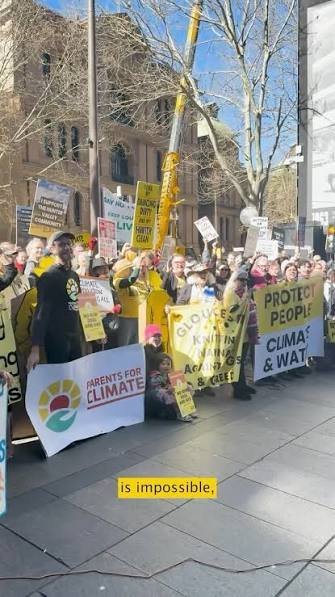
But Parents for Climate, a group of concerned parents, is urging the government to reject the proposal, citing the catastrophic consequences it would have on the environment and the next generation.
The Hunter Valley Operations Continuation Project would result in an additional 429 million tonnes of coal being mined, generating 809 million tonnes of CO2 emissions.
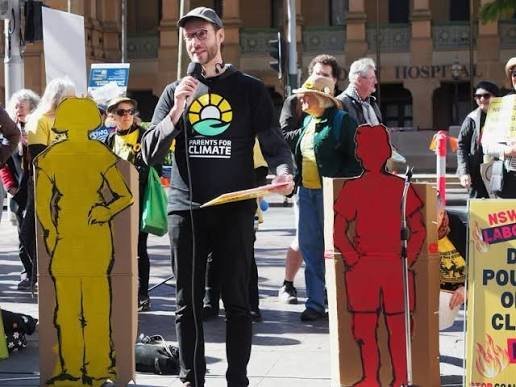
Nic Seton, CEO of Parents for Climate, says he is “terrified” by the prospect of the extension, citing the impact it would have on his own children.

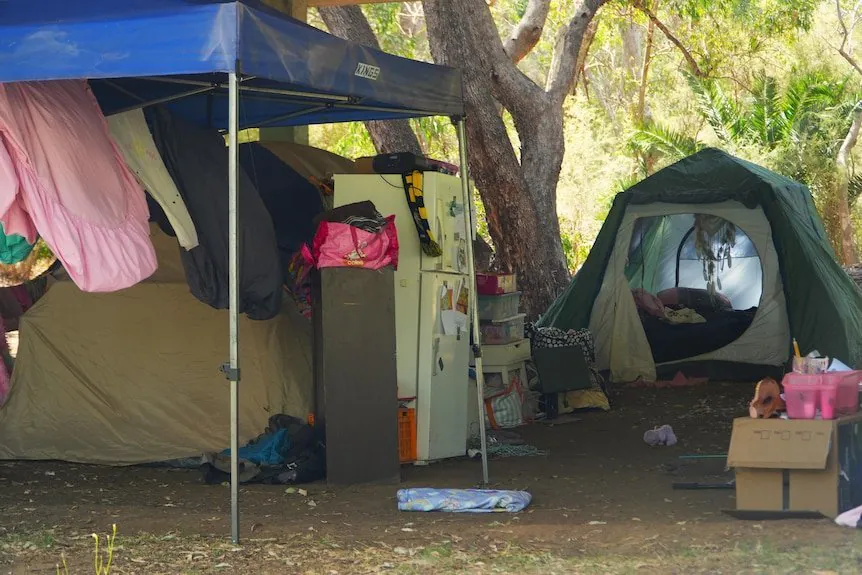


“My kids are in primary school now, and they haven’t gone a year without being impacted by climate change in some way, whether that’s being evacuated from a campsite or being sent to hospital for breathing too much bushfire smoke during the black summer,” he said.
But for Chris Bateman, a shift supervisor at HVO, the extension is crucial for the local economy and job security. “The Hunter Valley needs HVO,” he said.
“It’s massive in our community, most of my friends, if not all, are impacted either directly or indirectly by mining.” Mr Bateman, who has worked at the mine for 15 years, says the closure of the mine would have a devastating impact on thousands of children, including his own.
“I’ve been able to financially support us … we own our house, providing the kids with whatever they need to get through school,” he said.
The debate over the coal mine extension has sparked a heated discussion about the balance between economic growth and environmental protection. While the mine’s proponents argue that it is essential for the local economy, opponents claim that the environmental costs are too high.
The IPC has held two days of public hearings on the proposal, and is expected to announce its decision early next month.
Analysis: What This Means for Australia
The decision on the Hunter Valley Operations coal mine extension has significant implications for Australia’s environmental policy and its commitment to reducing greenhouse gas emissions.
The country has pledged to reduce its emissions by 26-28% below 2005 levels by 2030, but the extension of the coal mine would undermine this goal.
The decision also highlights the tension between economic growth and environmental protection, with many arguing that the two are mutually exclusive.
Security analysts say that the decision on the coal mine extension will have significant implications for Australia’s energy security, with the country relying heavily on coal for its electricity generation.
“The extension of the coal mine would provide a much-needed boost to Australia’s energy security, but it would come at a significant environmental cost,” said one analyst.
“The government needs to balance its commitment to reducing emissions with the need to ensure energy security for the country.”
Law enforcement insiders warn that the decision on the coal mine extension could also have implications for community safety, with many communities relying on the mine for employment and economic growth.
“The closure of the mine would have a devastating impact on many communities, leading to increased poverty and social unrest,” said one insider.
Industry observers believe that the decision on the coal mine extension will set a precedent for future environmental decisions, with many arguing that it will be a test of the government’s commitment to reducing emissions.
“The decision on the coal mine extension will be a critical test of the government’s environmental credentials,” said one observer. “If the government approves the extension, it will send a clear message that economic growth is more important than environmental protection.”