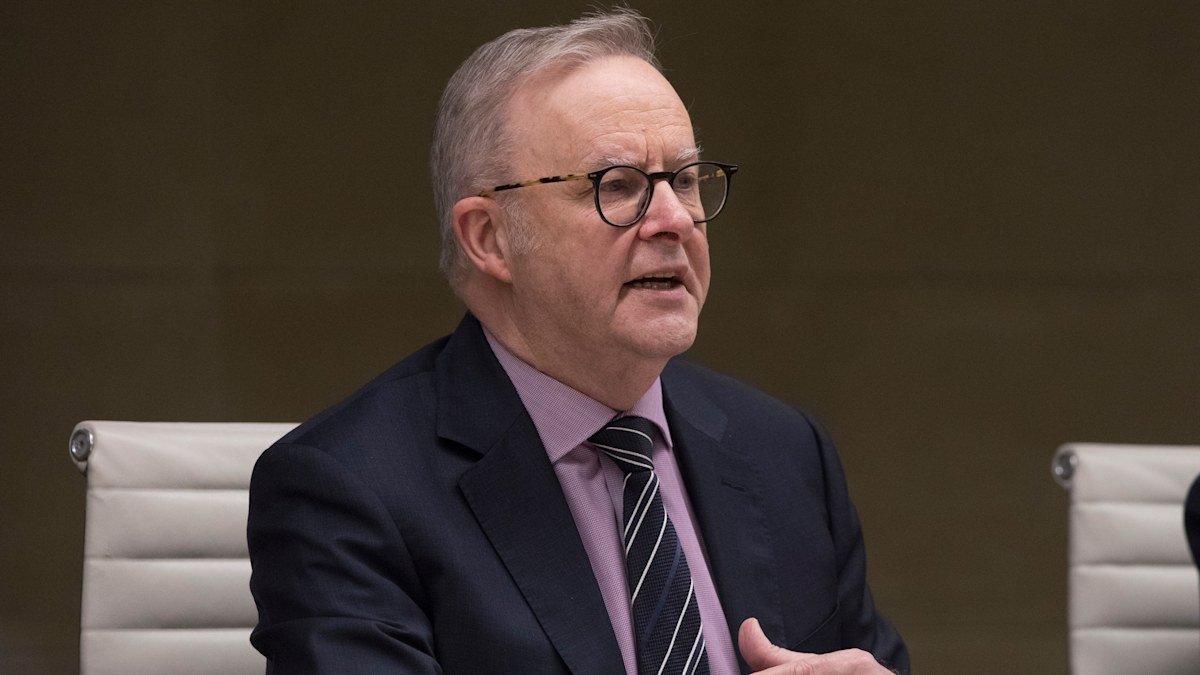
PM’s Refugee Intake Backflip: What Albanese’s Shock Decision Means for Australia’s Migration Policy
- Prime Minister Anthony Albanese intervenes to keep Australia’s annual refugee intake at 20,000, despite earlier reports suggesting a cut to 13,750
- Cabinet minister Tim Ayres says the decision is not a reflection of Labor’s broader migration policy overhaul
- Opposition Leader Angus Taylor hints at lowering the refugee intake, citing housing construction and “charity starting at home”
- Greens senator David Shoebridge slams the government’s handling of the refugee debate, saying it’s creating “absolute tumult” in communities
The Prime Minister’s sudden intervention to maintain Australia’s annual refugee intake at 20,000 has sent shockwaves through the nation’s migration policy landscape. Anthony Albanese’s announcement on Thursday came as a surprise, given earlier reports suggesting the intake could be slashed by a third to 13,750.
But what does this decision mean for Australia’s migration policy, and how will it impact the country’s humanitarian commitments?
The annual refugee intake was increased to 20,000 in 2023, but was set to revert to the previous level of 13,750 at the beginning of the 2027/28 financial year.
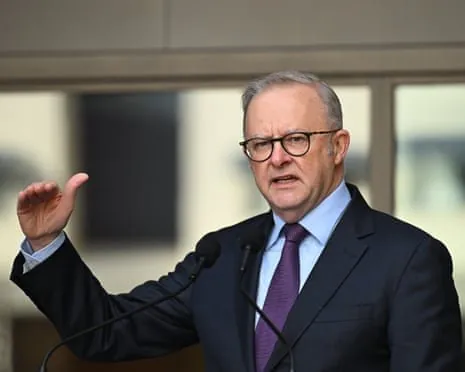
However, Albanese’s announcement means the current intake will remain in place, consistent with Australia’s humanitarian commitments and strong border security measures. Cabinet minister Tim Ayres was quick to downplay the significance of the decision, saying it was not a reflection of Labor’s broader migration policy overhaul.
But the issue of migration has been a contentious one, particularly in the wake of One Nation’s rise in opinion polling.


The minor party has pledged to reduce annual net overseas migration to 130,000 people, but there has been confusion over the policy stance from within the party.
One Nation MP David Farley sparked controversy by suggesting the policy would include an extra 100,000 people, such as workers from the Pacific and skilled workers, on top of the 130,000 figure.
Senator Pauline Hanson was forced to intervene, clarifying that the 130,000 number would be separate to the amount of Pacific workers coming in to Australia.
However, the varying policy stances on migration from One Nation have raised questions about the party’s credibility on the issue. As Senator Ayres pointed out, “there’s a lot of noise as One Nation and the Liberals and the Nationals kind of compete with each other.”
Meanwhile, Opposition Leader Angus Taylor has hinted at lowering the refugee intake as part of the coalition’s migration policy. However, he says any numbers will be unveiled closer to the federal election due to be held by May 2028.
Taylor has indicated the overall net overseas migration number will be below 200,000, but that the final figure will be tied to the number of homes completed.
So, what does this mean for Australia?
Analysis: What This Means for Australia The decision to maintain the current refugee intake is a significant one, particularly in the context of Australia’s humanitarian commitments.
However, it’s also a reminder that migration policy is a complex and multifaceted issue.
As Security analysts say, “Australia’s migration policy needs to balance humanitarian commitments with economic and social realities.” Law enforcement insiders warn that any changes to the refugee intake could have significant implications for border security.
Industry observers believe that the government’s handling of the refugee debate has created uncertainty and concern in communities.
As Greens senator David Shoebridge pointed out, “supporters of those people seeking asylum were in absolute tumult, desperately concerned about what was happening, getting within less than 24 hours two totally different messages out of the government.” The government’s decision to maintain the current refugee intake may have alleviated some of this concern, but it’s clear that the debate is far from over.
As Australia navigates the complex landscape of migration policy, one thing is clear: the country’s humanitarian commitments must be balanced with economic and social realities.
The government’s decision to maintain the current refugee intake is a step in the right direction, but it’s only the beginning of a much broader conversation about what Australia’s migration policy should look like.
Australian migration policy refugee intake Australian Bureau of Statistics