Australia’s Climate Minister Under Fire as Taxpayers Foot $7.3 Million Bill for Overseas Travel to Failed COP31 Bid
- Taxpayers left stunned as Energy Minister Chris Bowen’s department racks up massive $7.3 million bill for international travel to climate talks
- Deputy Opposition Leader Jane Hume slams Bowen’s “vanity project” as Australians struggle to pay their power bills
- Documents reveal 107 bureaucrats made 156 trips to 64 events across 31 countries in just eight months, sparking concerns over government priorities
- Opposition demands Bowen focus on delivering cost-of-living relief for households instead of pursuing international climate ambitions
The Australian government’s failed bid to host the COP31 climate summit has left taxpayers with a hefty $7.3 million bill, sparking outrage and accusations of a “vanity project” from the Opposition.
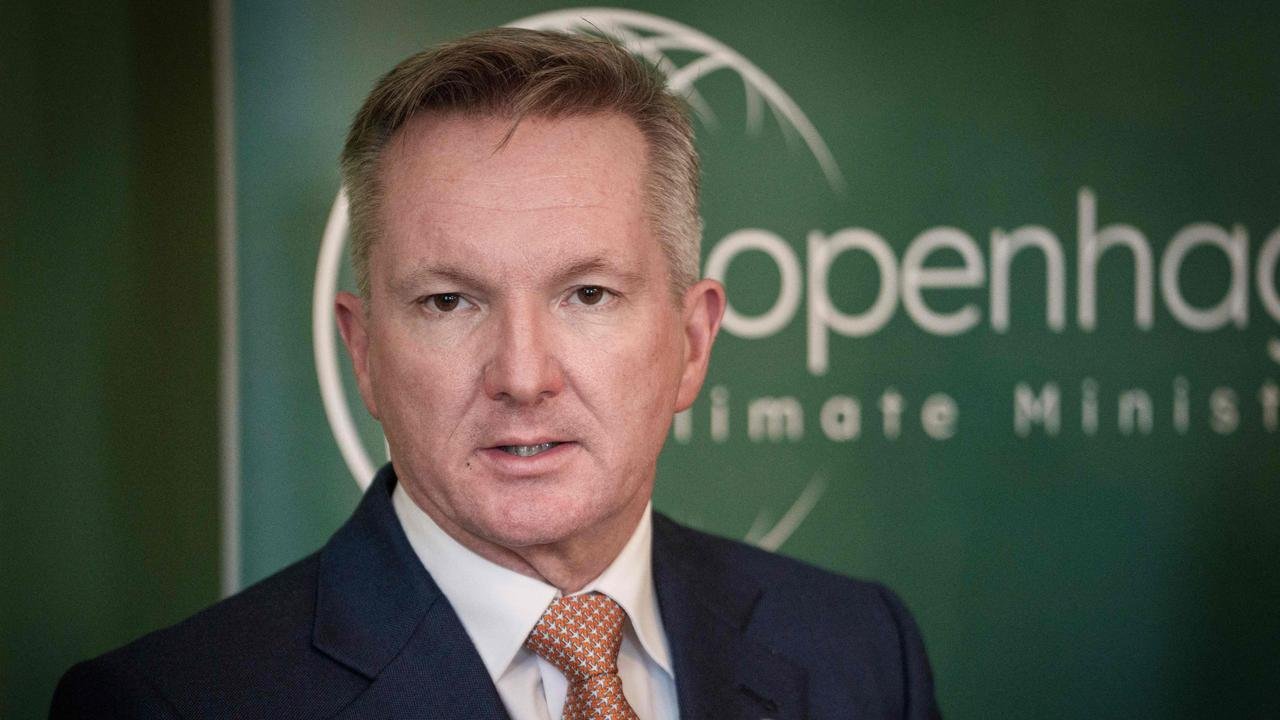
Energy Minister Chris Bowen’s department has come under fire for racking up the massive international travel bill, which has been labelled a “slap in the face” to struggling Australians.
Documents obtained under Freedom of Information revealed that 107 bureaucrats made 156 trips to 64 events across 31 countries over eight months to March this year, with much of the travel linked to efforts to secure Australia’s unsuccessful bid to host COP31.
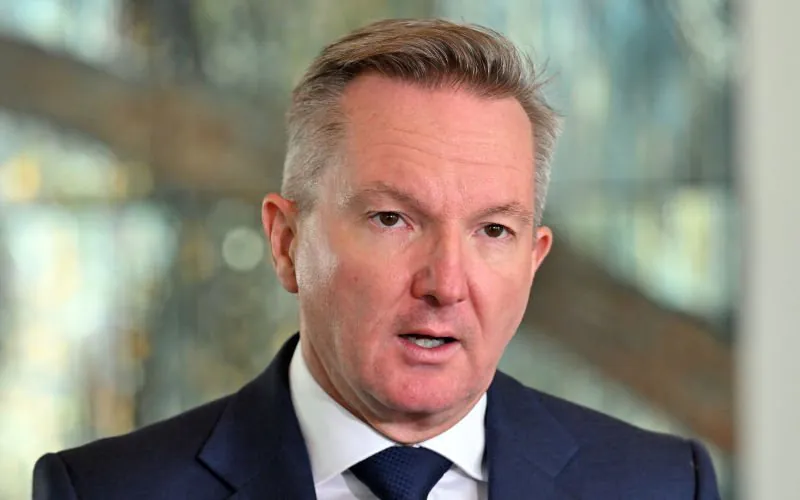
The revelations have sparked concerns over the government’s priorities, with Deputy Opposition Leader Jane Hume accusing Bowen of pursuing a “vanity project” while Australians struggle to pay their power bills.
Hume’s comments came during a heated clash on Sunrise, where she took aim at Bowen’s record on renewable energy and emissions.


“Chris Bowen looked taxpayers in the eye and said that he was going to take $275 off their energy bills, and he has failed to do that,” she said.
“Surely he should be focusing on the 1 in 3 Australians who are struggling to pay their power bills right now. Surely he should be focused on that, not sending bureaucrats around the world on what is, let’s face it, a Chris Bowen vanity project.”
Bowen’s office has defended the travel, pointing to recent comments from the minister suggesting that Opposition frontbencher Dan Tehan had made 15 overseas trips in his final year as trade minister, including two visits to the Maldives at taxpayers’ expense.
However, Hume argued that the comparison did not hold up, citing Tehan’s international portfolio as trade minister. “I think that they were pointing the finger at Dan Tehan, who at the time was a trade minister.
That means he had an international portfolio, not a domestic one. And that’s what Chris Bowen has,” she said.
The travel revelations follow scrutiny of separate accommodation arrangements for a climate meeting in Fiji ahead of the main COP31 summit. Bowen’s department reserved accommodation and meeting facilities across three resorts, with contracts worth a maximum of about $4.2 million.
The government has said the final cost will be lower because some countries will reimburse accommodation expenses and unused rooms can be cancelled for refunds.
Energy Minister Mark Butler was firm in his denial when asked if the spending amounted to a “vanity project”. He said Australia’s hosting bid had also represented its commitment to its Pacific Neighbours, who viewed climate change as their leading security and strategic concern.
“They expect their big, wealthy neighbour, Australia, to play a significant role on behalf of the region. And that’s what we’ve been doing,” he said.
Butler noted that online meetings were being used where possible but said overseas travel was valuable. “On a constant basis, we’re using Zoom.
We’re using Teams to engage with international partners. But there are times when face-to-face meetings are important to engage with international partners,” he said.
He confirmed overseas travel requests were constantly scrutinised, saying that sometimes he reduced the size of the delegations that go overseas to ensure value for money.
Analysis: What This Means for Australia
The controversy surrounding the government’s climate travel bill raises serious questions about the nation’s priorities and the allocation of taxpayer funds. As Australians struggle to make ends meet, the government’s decision to spend millions on international travel for climate talks has sparked widespread outrage.
The Opposition’s accusations of a “vanity project” have struck a chord with many, who feel that the government is out of touch with the needs of its citizens.
Security analysts say that the government’s handling of the COP31 bid has significant implications for Australia’s national security and international relationships. “The government’s failure to secure the COP31 bid has damaged Australia’s reputation on the world stage,” said one analyst.
“The millions spent on international travel have been seen as a waste of taxpayer funds, and the government’s priorities have been called into question.”
Law enforcement insiders warn that the government’s focus on international climate ambitions has diverted attention away from pressing domestic issues, such as the rising cost of living and the need for cost-of-living relief.
“The government needs to get its priorities straight and focus on delivering for Australian families,” said one insider.
Industry observers believe that the controversy surrounding the government’s climate travel bill has significant economic implications for Australia. “The government’s handling of the COP31 bid has damaged Australia’s reputation as a reliable and responsible player on the world stage,” said one observer.
“This has significant implications for our trade relationships and our ability to attract foreign investment.”