Migration Mayhem: Coalition in Disarray as Humanitarian Visa Cuts Spark Infighting and Backflips
- Angus Taylor opens door to cuts to humanitarian visa program, sparking division within Coalition
- Senior Coalition MPs at odds over migration policy, with some vowing to protect refugee intake
- Government’s planned migration crackdown in disarray as parties struggle to find cuts to visa programs
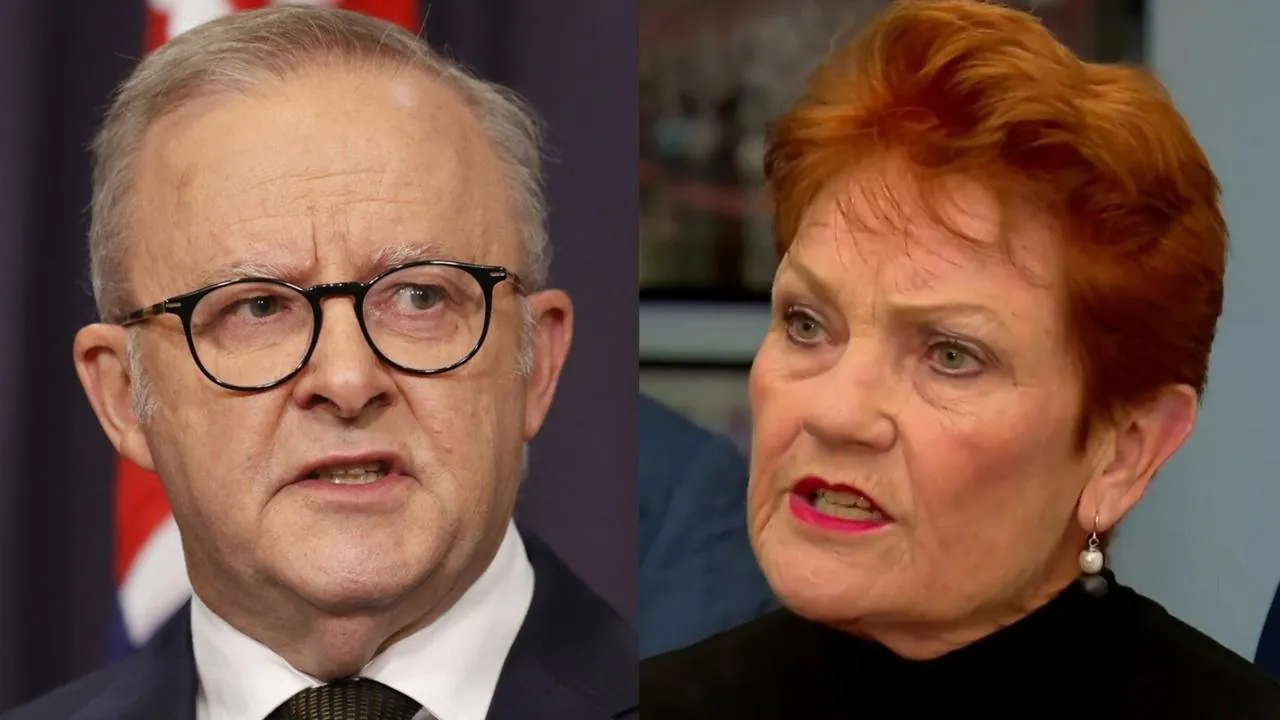
- One Nation’s Pauline Hanson defends party’s migration policy, despite junior MP’s comments sparking confusion
The Coalition’s migration policy is in disarray, with senior MPs at odds over whether to cut the humanitarian visa program. Angus Taylor’s comments yesterday sparked a firestorm, with some within the party vowing to protect the refugee intake.
The government’s planned migration crackdown is also in chaos, with parties struggling to find cuts to visa programs that won’t alienate key communities or industries.
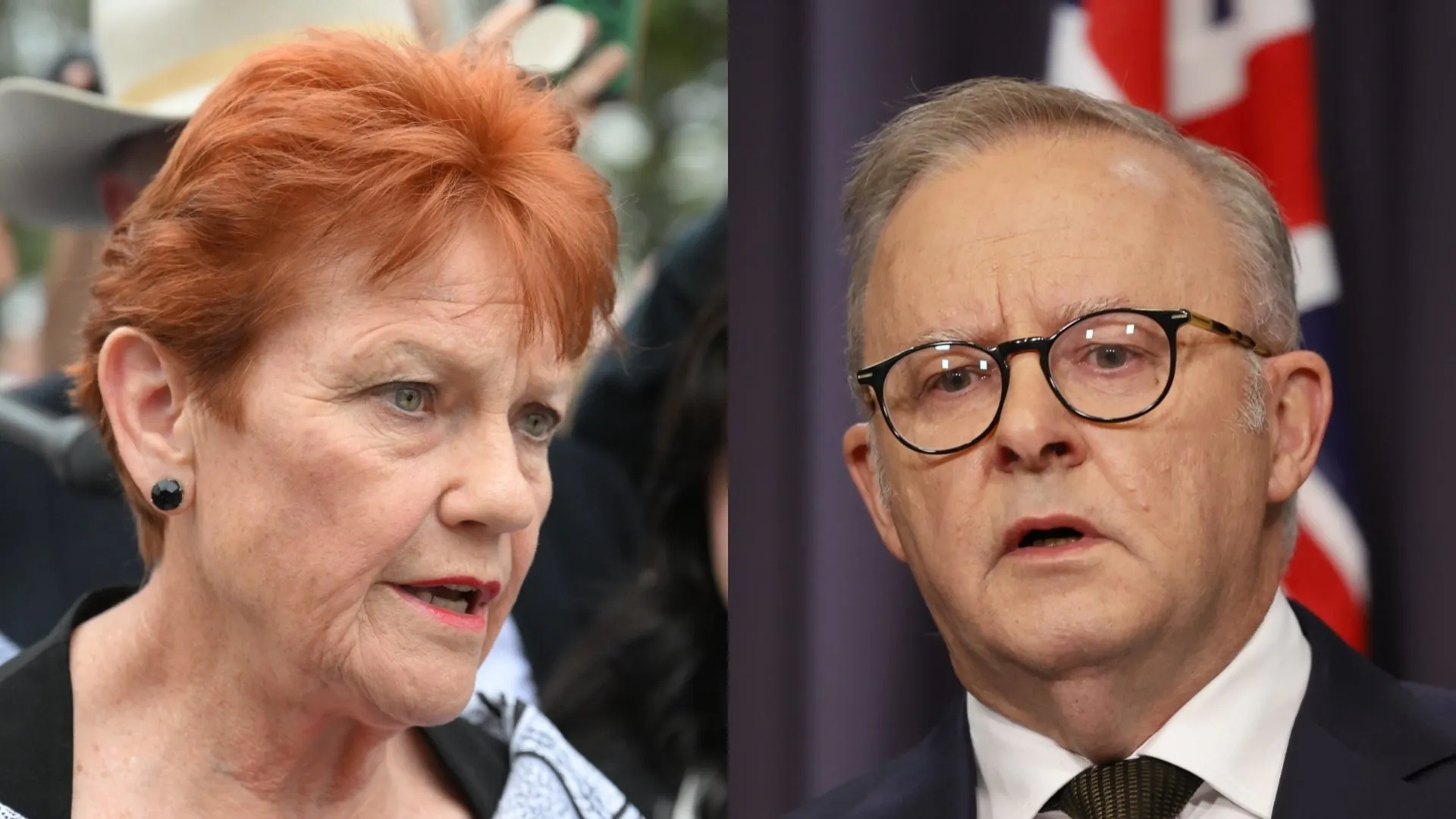
The debate over migration has become a messy and contentious issue, with all three parties – Labor, the Coalition, and One Nation – grappling with the practicalities of cutting Australia’s migration program.
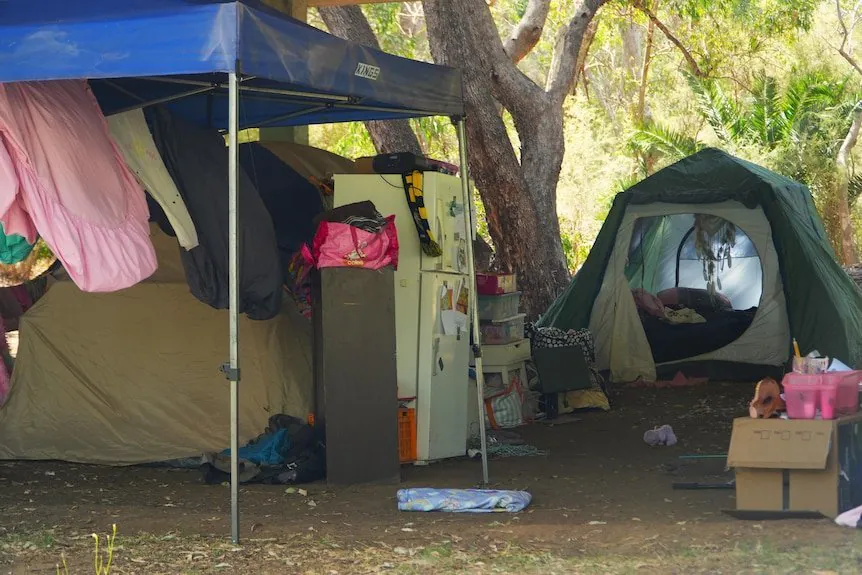
The humanitarian visa program, which provides a safe haven for refugees, has become a focal point of the debate.
While some within the Coalition argue that it should be cut to reduce immigration rates, others insist that it is a vital program that should be protected.



The Coalition’s Shadow Housing Minister, Andrew Bragg, said yesterday that refugees would not be the target of the party’s migration policy. However, Angus Taylor’s comments this morning suggested that the party is open to cutting the humanitarian visa program.
“When we see what housing construction looks like, we will announce the [net overseas migration] number and the visa classes will align with that,” Mr Taylor said.
“What is clear though is we are a very generous country, but charity starts at home, and we have got to do the right thing by Australians first.”
The debate follows Prime Minister Anthony Albanese’s decision to kill off a plan to reduce the humanitarian visa intake from 20,000 places a year to 13,750.
The plan had been met with opposition from within Labor, with some arguing that it would undermine Australia’s commitment to providing a safe haven for refugees.
The Greens have accused the government of making a backflip on the issue, with Senator David Shoebridge saying that the decision was a clear reversal of course.
“Minister Burke wouldn’t have presented those savage cuts unless he’d been through a process. And then it’s turned on its head by the prime minister in less than 24 hours,” Senator Shoebridge said.
The migration debate has also sparked infighting within One Nation, with junior MP David Farley’s comments suggesting that the party’s migration plans would bring about as many immigrants to Australia as Labor.
One Nation leader Pauline Hanson has since defended the party’s position, saying that the comments were incorrect and that the party’s net migration target was 130,000.
Analysis: What This Means for AustraliaThe migration debate has significant implications for Australia’s national security, law enforcement, and community safety.
The humanitarian visa program provides a vital lifeline for refugees fleeing persecution and violence, and any cuts to the program could have serious consequences for those seeking asylum.
Furthermore, the debate highlights the need for a comprehensive and nuanced approach to migration policy, one that balances the needs of the economy and the community with the need to provide a safe haven for those in need.
Security analysts say that the migration debate has significant implications for Australia’s national security, particularly in relation to the risk of terrorism and organized crime. “The migration program is a critical component of Australia’s national security framework,” said one analyst.
“Any changes to the program need to be carefully considered and based on a thorough risk assessment.”
Law enforcement insiders warn that cuts to the humanitarian visa program could also have significant implications for community safety.
“The humanitarian visa program provides a vital lifeline for refugees fleeing persecution and violence,” said one insider.
“Cuts to the program could lead to an increase in asylum seeker boats and a rise in people smuggling.”
Industry observers believe that the migration debate highlights the need for a comprehensive and nuanced approach to migration policy.
“The migration program is a critical component of Australia’s economy,” said one observer.
“Any changes to the program need to be carefully considered and based on a thorough assessment of the economic and social implications.”
In conclusion, the migration debate has significant implications for Australia’s national security, law enforcement, and community safety.
The humanitarian visa program provides a vital lifeline for refugees fleeing persecution and violence, and any cuts to the program could have serious consequences for those seeking asylum.
A comprehensive and nuanced approach to migration policy is needed, one that balances the needs of the economy and the community with the need to provide a safe haven for those in need.
The Coalition’s migration policy is in disarray, with senior MPs at odds over whether to cut the humanitarian visa program. Angus Taylor’s comments yesterday sparked a firestorm, with some within the party vowing to protect the refugee intake. The government’s planned migration crackdown is also in chaos, with parties struggling to find cuts to visa programs that won’t alienate key communities or industries.
The debate over migration has become a messy and contentious issue, with all three parties – Labor, the Coalition, and One Nation – grappling with the practicalities of cutting Australia’s migration program. The humanitarian visa program, which provides a safe haven for refugees, has become a focal point of the debate. While some within the Coalition argue that it should be cut to reduce immigration rates, others insist that it is a vital program that should be protected.
The Coalition’s Shadow Housing Minister, Andrew Bragg, said yesterday that refugees would not be the target of the party’s migration policy. However, Angus Taylor’s comments this morning suggested that the party is open to cutting the humanitarian visa program. “When we see what housing construction looks like, we will announce the [net overseas migration] number and the visa classes will align with that,” Mr Taylor said. “What is clear though is we are a very generous country, but charity starts at home, and we have got to do the right thing by Australians first.”
The debate follows Prime Minister Anthony Albanese’s decision to kill off a plan to reduce the humanitarian visa intake from 20,000 places a year to 13,750. The plan had been met with opposition from within Labor, with some arguing that it would undermine Australia’s commitment to providing a safe haven for refugees.
The Greens have accused the government of making a backflip on the issue, with Senator David Shoebridge saying that the decision was a clear reversal of course. “Minister Burke wouldn’t have presented those savage cuts unless he’d been through a process. And then it’s turned on its head by the prime minister in less than 24 hours,” Senator Shoebridge said.
The migration debate has also sparked infighting within One Nation, with junior MP David Farley’s comments suggesting that the party’s migration plans would bring about as many immigrants to Australia as Labor. One Nation leader Pauline Hanson has since defended the party’s position, saying that the comments were incorrect and that the party’s net migration target was 130,000.
The migration debate has significant implications for Australia’s national security, law enforcement, and community safety. The humanitarian visa program provides a vital lifeline for refugees fleeing persecution and violence, and any cuts to the program could have serious consequences for those seeking asylum. Furthermore, the debate highlights the need for a comprehensive and nuanced approach to migration policy, one that balances the needs of the economy and the community with the need to provide a safe haven for those in need.
Security analysts say that the migration debate has significant implications for Australia’s national security, particularly in relation to the risk of terrorism and organized crime. “The migration program is a critical component of Australia’s national security framework,” said one analyst. “Any changes to the program need to be carefully considered and based on a thorough risk assessment.”
Law enforcement insiders warn that cuts to the humanitarian visa program could also have significant implications for community safety. “The humanitarian visa program provides a vital lifeline for refugees fleeing persecution and violence,” said one insider. “Cuts to the program could lead to an increase in asylum seeker boats and a rise in people smuggling.”
Industry observers believe that the migration debate highlights the need for a comprehensive and nuanced approach to migration policy. “The migration program is a critical component of Australia’s economy,” said one observer. “Any changes to the program need to be carefully considered and based on a thorough assessment of the economic and social implications.”
In conclusion, the migration debate has significant implications for Australia’s national security, law enforcement, and community safety. The humanitarian visa program provides a vital lifeline for refugees fleeing persecution and violence, and any cuts to the program could have serious consequences for those seeking asylum. A comprehensive and nuanced approach to migration policy is needed, one that balances the needs of the economy and the community with the need to provide a safe haven for those in need.