Exclusive: MotoGP Madness – 400 Trees Felled for $96 Million Adelaide Street Circuit as Protests Erupt
- SA government reveals design for 4.13km-long MotoGP circuit, sparking outrage over tree removals
- Nearly 400 trees to be felled in Adelaide’s eastern parklands, with 3,770 new trees promised in their place
- Premier Peter Malinauskas faces backlash over “environmental vandalism” as public consultation begins
- $200 million annual economic benefit forecast, but at what cost to the environment?
The South Australian government has unveiled the design for a $96 million MotoGP street circuit, set to host the prestigious racing event from 2027.
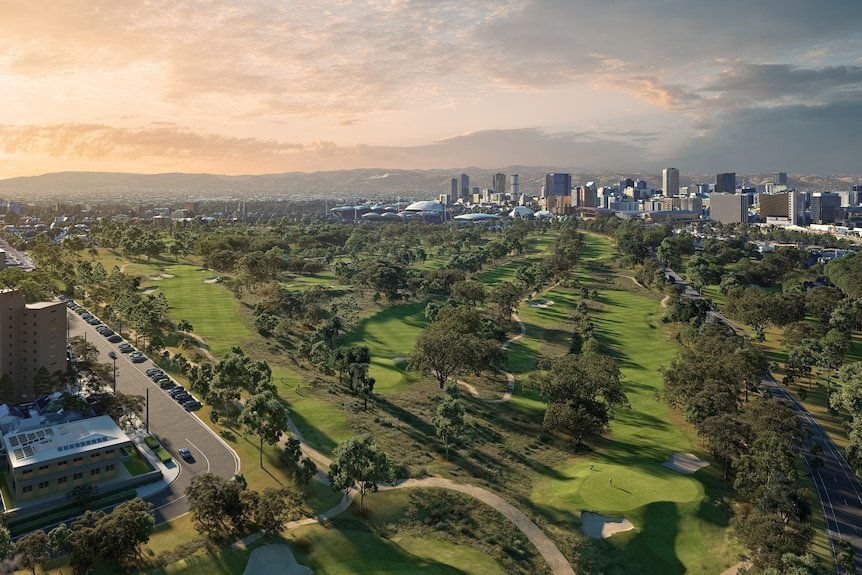
But the announcement has been met with fierce opposition, as nearly 400 trees are slated for removal in Adelaide’s eastern parklands to make way for the new track.
The 4.13 kilometre-long circuit, which will also host the Tour Down Under from January 2028, has been designed to feature 15 turns and a 900-metre long straight along Dequetteville Terrace.
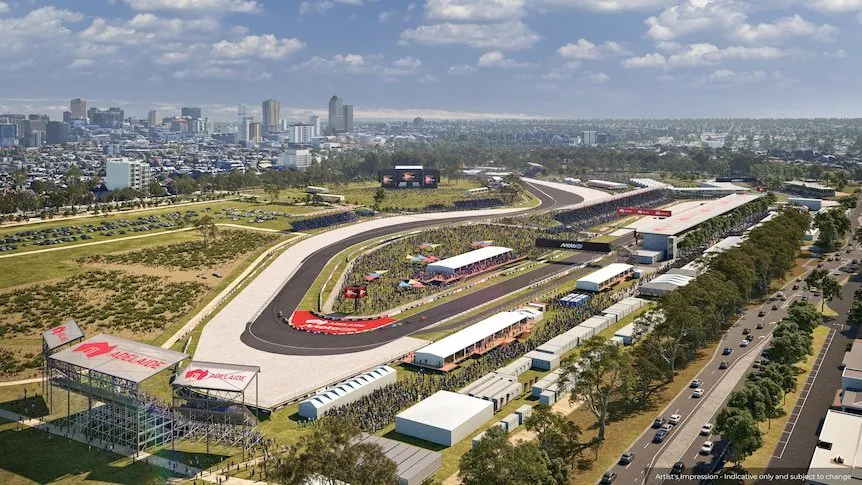
Top speeds for the MotoGP are expected to reach a heart-stopping 343km/h, while the Supercars will hit up to 265km/h. But the excitement of the racing event has been overshadowed by concerns over the environmental impact of the project.
Premier Peter Malinauskas has defended the decision to remove 42 significant trees, along with a further 335 “regulated, unregulated, invasive, dead or poor health” trees. A further 88 trees will be relocated, while 22 are still under investigation.



The premier has promised that trees will be replaced on a 10 to 1 basis, with 3,770 new trees to be planted. However, this has done little to placate protesters, who have been vocal in their opposition to the project.
Analysis: What This Means for AustraliaThe controversy surrounding the MotoGP circuit highlights the delicate balance between economic development and environmental protection.
While the project is expected to bring in a significant $200 million annual economic benefit, the cost to the environment cannot be ignored.
The removal of nearly 400 trees will undoubtedly have a lasting impact on the local ecosystem, and the question remains whether the benefits of the project outweigh the costs.
Security analysts warn that the project’s environmental impact could have long-term consequences for the state’s reputation and economy.
“The removal of trees on this scale is a serious concern, not just for the local environment, but for the state’s reputation as a whole,” said one analyst.
“The government needs to carefully consider the potential risks and consequences of this project, and ensure that the benefits are shared equitably among all stakeholders.”
Law enforcement insiders also point out that the project’s security implications should not be overlooked.
“The MotoGP event will undoubtedly attract large crowds and high-profile attendees, which will require significant security resources,” said one insider.
“The government needs to ensure that adequate security measures are in place to protect the public and the event itself.”
As public consultation on the track begins, the government is under pressure to address the concerns of protesters and ensure that the project is delivered in a responsible and sustainable manner.
With the fate of nearly 400 trees hanging in the balance, the SA government must carefully weigh the benefits and costs of the project, and consider the long-term implications for the state’s environment and economy.
Industry observers believe that the project’s success will depend on the government’s ability to balance economic development with environmental protection.
“The MotoGP circuit has the potential to be a major economic driver for the state, but it’s essential that the government gets the balance right,” said one observer.
“The removal of trees on this scale is a serious concern, and the government needs to ensure that the benefits of the project are shared equitably among all stakeholders.”
As the debate rages on, one thing is clear: the fate of Adelaide’s eastern parklands hangs in the balance, and the SA government’s decision will have far-reaching consequences for the state’s environment, economy, and reputation.
The South Australian government has unveiled the design for a $96 million MotoGP street circuit, set to host the prestigious racing event from 2027. But the announcement has been met with fierce opposition, as nearly 400 trees are slated for removal in Adelaide’s eastern parklands to make way for the new track.
The 4.13 kilometre-long circuit, which will also host the Tour Down Under from January 2028, has been designed to feature 15 turns and a 900-metre long straight along Dequetteville Terrace. Top speeds for the MotoGP are expected to reach a heart-stopping 343km/h, while the Supercars will hit up to 265km/h. But the excitement of the racing event has been overshadowed by concerns over the environmental impact of the project.
Premier Peter Malinauskas has defended the decision to remove 42 significant trees, along with a further 335 “regulated, unregulated, invasive, dead or poor health” trees. A further 88 trees will be relocated, while 22 are still under investigation. The premier has promised that trees will be replaced on a 10 to 1 basis, with 3,770 new trees to be planted. However, this has done little to placate protesters, who have been vocal in their opposition to the project.
The controversy surrounding the MotoGP circuit highlights the delicate balance between economic development and environmental protection. While the project is expected to bring in a significant $200 million annual economic benefit, the cost to the environment cannot be ignored. The removal of nearly 400 trees will undoubtedly have a lasting impact on the local ecosystem, and the question remains whether the benefits of the project outweigh the costs.
Security analysts warn that the project’s environmental impact could have long-term consequences for the state’s reputation and economy. “The removal of trees on this scale is a serious concern, not just for the local environment, but for the state’s reputation as a whole,” said one analyst. “The government needs to carefully consider the potential risks and consequences of this project, and ensure that the benefits are shared equitably among all stakeholders.”
Law enforcement insiders also point out that the project’s security implications should not be overlooked. “The MotoGP event will undoubtedly attract large crowds and high-profile attendees, which will require significant security resources,” said one insider. “The government needs to ensure that adequate security measures are in place to protect the public and the event itself.”
As public consultation on the track begins, the government is under pressure to address the concerns of protesters and ensure that the project is delivered in a responsible and sustainable manner. With the fate of nearly 400 trees hanging in the balance, the SA government must carefully weigh the benefits and costs of the project, and consider the long-term implications for the state’s environment and economy.
Industry observers believe that the project’s success will depend on the government’s ability to balance economic development with environmental protection. “The MotoGP circuit has the potential to be a major economic driver for the state, but it’s essential that the government gets the balance right,” said one observer. “The removal of trees on this scale is a serious concern, and the government needs to ensure that the benefits of the project are shared equitably among all stakeholders.”
As the debate rages on, one thing is clear: the fate of Adelaide’s eastern parklands hangs in the balance, and the SA government’s decision will have far-reaching consequences for the state’s environment, economy, and reputation.