Neo-Nazi Volunteer Scandal Rocks One Nation As Party’s Vetting Process Comes Under Fire
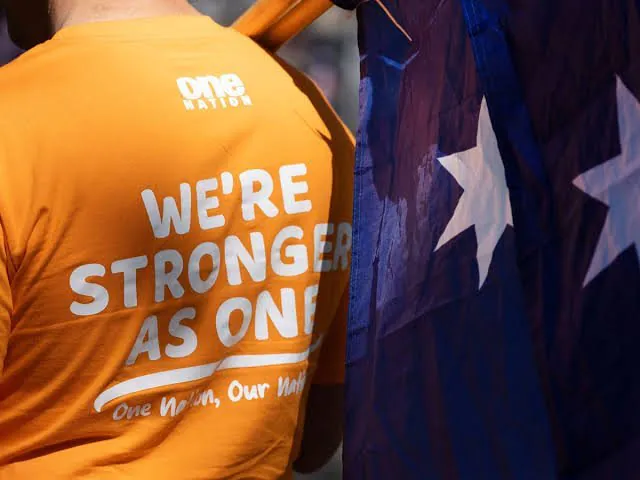
- A former neo-Nazi leader was allowed to volunteer for One Nation during a recent West Australian by-election, sparking outrage and serious questions about the party’s vetting processes.
- David Donis, who was previously named in a federal tribunal ruling for promoting neo-Nazi ideologies, was seen handing out how-to-vote cards and attending the party’s victory event, leaving many to wonder how he slipped through the cracks.
- The incident has raised concerns about the potential for extremist groups to infiltrate mainstream politics, and has prompted calls for stricter background checks and more robust vetting procedures.
- One Nation’s leader, Rod Caddies, has claimed that if an extremist had infiltrated the party, they would be expelled, but the fact that Donis was able to volunteer for the party has left many skeptical.
The revelation that David Donis, a man with a history of promoting neo-Nazi ideologies, was allowed to volunteer for One Nation during a recent West Australian by-election has sent shockwaves through the political community.
Donis, who was previously named in a federal tribunal ruling for his involvement with the racist extremist group, the Society of Western Australian Nationalists (SWAN), was seen handing out how-to-vote cards and attending the party’s victory event, sparking outrage and serious questions about the party’s vetting processes.
According to reports, Donis was a founding member and president of SWAN, which was deregistered in 2023 due to its extremist views.

The Administrative Appeals Tribunal (AAT) found that SWAN was a nationalist and racist extremist group that promoted neo-Nazi ideologies and supported politically motivated and communal violence.
Donis has denied promoting neo-Nazi ideologies, but the AAT said it was satisfied that he and other SWAN members had done so.




The fact that Donis was able to volunteer for One Nation, despite his history of extremist views, has raised concerns about the potential for other extremists to infiltrate the party.
The incident has also raised questions about One Nation’s vetting processes and how they allow individuals with extremist views to become involved with the party.
Rod Caddies, the leader of One Nation in Western Australia, has claimed that if an extremist had infiltrated the party, they would be expelled, but the fact that Donis was able to volunteer for the party has left many skeptical.
Caddies has accused the Liberal Party of trying to “take One Nation down” by highlighting the incident, but many believe that the party needs to take responsibility for its own vetting processes and ensure that individuals with extremist views are not allowed to become involved.
Security analysts say that the incident highlights the need for stricter background checks and more robust vetting procedures to prevent extremists from infiltrating mainstream politics.
The fact that Donis was able to volunteer for One Nation, despite his history of extremist views, is a serious concern and raises questions about the party’s commitment to rejecting extremism.
Law enforcement insiders warn that the potential for extremist groups to infiltrate mainstream politics is a serious threat to national security and public safety, and that parties need to take a more proactive approach to vetting their members and volunteers.
Analysis: What This Means for Australia is that the country needs to take a more serious approach to addressing extremism and ensuring that individuals with extremist views are not allowed to infiltrate mainstream politics.
The incident involving David Donis and One Nation is a wake-up call for all parties to review their vetting processes and ensure that they are doing everything they can to prevent extremists from becoming involved.
This includes implementing stricter background checks, providing training for volunteers and members on how to identify and report extremist behavior, and taking a zero-tolerance approach to extremism.
By taking these steps, parties can help to prevent the spread of extremist ideologies and ensure that Australian politics remains a safe and inclusive space for all.
Expert commentary on the issue suggests that One Nation’s vetting processes are inadequate and that the party needs to take a more proactive approach to addressing extremism.
Security experts say that the party’s failure to properly vet its volunteers and members has created a security risk, not just for the party itself, but for the entire country.
They warn that if extremist groups are able to infiltrate mainstream politics, it could have serious consequences for national security and public safety. Industry observers believe that the incident is a symptom of a larger problem, namely the lack of transparency and accountability in Australian politics.
They argue that parties need to be more transparent about their vetting processes and take responsibility for ensuring that their members and volunteers do not have extremist views.
The incident has also sparked a wider debate about the need for stricter laws and regulations to prevent extremist groups from infiltrating mainstream politics. Some have called for the introduction of new laws that would make it easier to ban extremist groups and prevent them from operating in Australia.
Others have argued that the existing laws are sufficient, but that they need to be enforced more effectively.
The debate highlights the complexity of the issue and the need for a nuanced approach that balances the need to prevent extremism with the need to protect freedom of speech and association.
In conclusion, the incident involving David Donis and One Nation is a serious concern that highlights the need for stricter background checks and more robust vetting procedures to prevent extremists from infiltrating mainstream politics.
It is a wake-up call for all parties to review their vetting processes and ensure that they are doing everything they can to prevent extremists from becoming involved.
By taking a more proactive approach to addressing extremism, parties can help to prevent the spread of extremist ideologies and ensure that Australian politics remains a safe and inclusive space for all.
As Australian politics continues to evolve, it is essential that parties prioritize the safety and security of their members, volunteers, and the wider community.
For more information on this topic, please visit Australian Bureau of Statistics or extremism in Australia.