
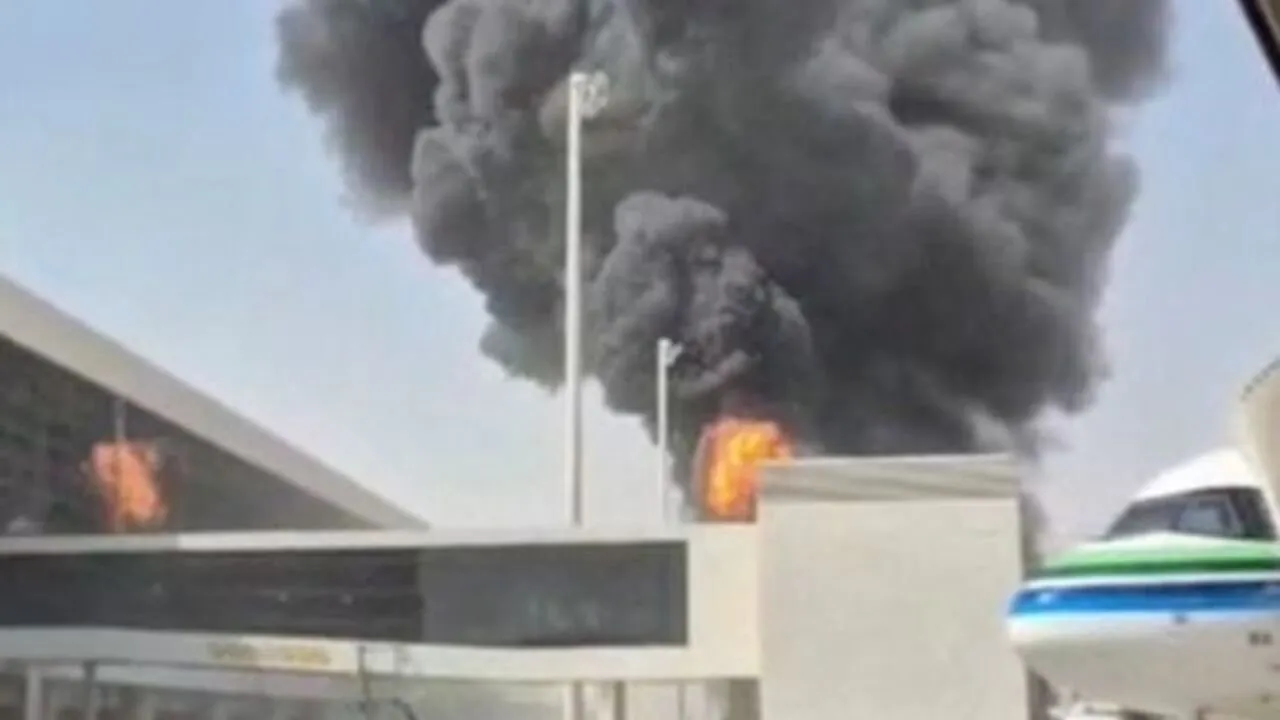
Deadly Attacks On Saudi Airport And Gaza Strip Spark Fears Of Escalating Conflict In The Middle East As World Leaders Condemn ‘Reprehensible’ Violence
- At least 12 people have been killed and over 300 injured in a series of attacks on Riyadh’s King Khalid International Airport, prompting a suspension of operations and widespread flight cancellations
- Israeli strikes in the Gaza Strip have killed at least five Palestinians, with the Israeli military claiming the targets were militants, while Hamas denies any involvement in attacks
- Palestinian President Mahmoud Abbas has postponed legislative elections until 2027, citing “obstacles posed by Israeli measures” and the need for suitable conditions for “free, fair and inclusive elections”
- The Iran-backed Houthi rebels have claimed responsibility for the attacks on the Saudi airport, which have sparked fears of an escalating conflict in the region
The Middle East is on high alert after a series of deadly attacks on Saudi Arabia’s King Khalid International Airport and the Gaza Strip, sparking fears of an escalating conflict in the region.
The attacks, which have killed at least 12 people and injured over 300, have been condemned by world leaders, with US Secretary of State Marco Rubio describing them as “reprehensible” and urging an immediate stop to the violence.
The attacks on the Saudi airport, which have been claimed by the Iran-backed Houthi rebels, have prompted a suspension of operations and widespread flight cancellations.
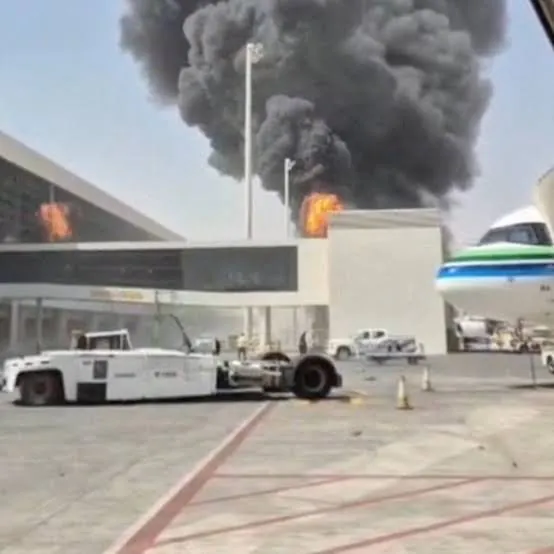
The airport, which is a major hub for international travel, has been targeted multiple times this week, with the Houthi rebels using ballistic missiles and explosive-laden drones to carry out the attacks.
The Saudi-led coalition has launched a major military offensive against the Houthi rebels in neighbouring Yemen, which has escalated the conflict in the region.


In the Gaza Strip, Israeli strikes have killed at least five Palestinians, with the Israeli military claiming the targets were militants. However, Hamas has denied any involvement in attacks, accusing Israel of undermining the US-brokered ceasefire which was issued and agreed upon a year ago.
The conflict in the Gaza Strip has been ongoing for years, with periods of relative calm punctuated by outbreaks of violence. The latest attacks have sparked fears of an escalation in the conflict, with the potential for further violence and bloodshed.
The postponement of Palestinian legislative elections until 2027 has also added to the sense of uncertainty and instability in the region.
Palestinian President Mahmoud Abbas has cited “obstacles posed by Israeli measures” and the need for suitable conditions for “free, fair and inclusive elections” as the reason for the delay.
The elections, which were due to take place next month, have been postponed until September 11, 2027, with a presidential poll also scheduled for the same date.
Security analysts say that the situation in the Middle East is highly volatile, with the potential for further conflict and violence. The region is a complex web of alliances and rivalries, with multiple actors and interests at play.
The conflict in Yemen, which has been ongoing for years, has drawn in multiple countries, including Saudi Arabia, the United Arab Emirates, and the United States.
The situation in the Gaza Strip is also highly sensitive, with the potential for further violence and bloodshed.
Analysis: What This Means for Australia
The conflict in the Middle East has significant implications for Australia, particularly in terms of national security and the potential for terrorist attacks.
Australia has a significant military presence in the region, with troops deployed in Iraq and Afghanistan as part of the international coalition against the Islamic State.
The conflict in Yemen and the Gaza Strip also has the potential to draw in other countries, including Australia, particularly if the situation escalates further.
Law enforcement insiders warn that the conflict in the Middle East also has the potential to inspire terrorist attacks in Australia, particularly if extremist groups are able to exploit the situation to recruit new members and carry out attacks.
The Australian government has already taken steps to strengthen its counter-terrorism laws and increase funding for intelligence agencies, but the situation in the Middle East highlights the need for continued vigilance and cooperation with international partners.
Industry observers believe that the conflict in the Middle East also has significant economic implications for Australia, particularly in terms of trade and investment. The region is a major hub for international trade, with many Australian companies having significant interests in the area.
The conflict has the potential to disrupt trade flows and increase the risk of doing business in the region, which could have significant implications for the Australian economy.
As the situation in the Middle East continues to unfold, it is clear that the conflict has significant implications for Australia and the wider world. The potential for further violence and bloodshed is high, and the situation requires careful monitoring and cooperation between international partners to prevent further escalation.
By understanding the complex web of alliances and rivalries in the region, and the potential implications for Australia, we can better navigate the challenges and opportunities that arise from this complex and volatile situation.
For more information on the conflict in the Middle East, readers can visit the Middle East conflict page, which provides a comprehensive overview of the situation and its implications for Australia.
Additionally, readers can visit the Australian Government Department of Foreign Affairs and Trade website for the latest updates and advice on travel and trade in the region.