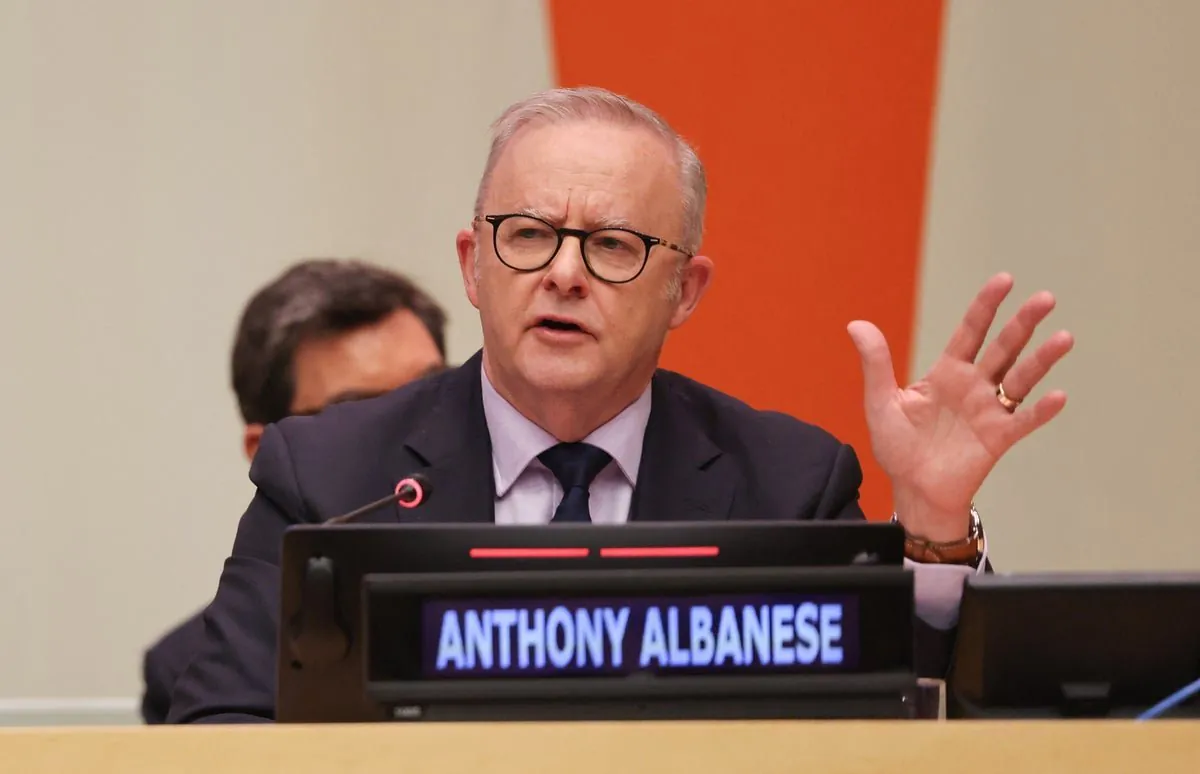
Free Speech Under Fire: Expert Warns Australia’s Proposed Online Laws Could Silence Citizens and Enable Government Propaganda
- Australia’s proposed Digital Duty of Care Bill has sparked outrage among free speech advocates, who claim it could lead to ‘sweeping censorship’ and give the government unchecked powers to control online content.
- US commentator Michael Shellenberger has slammed the legislation, warning it could stop Australians from viewing news about critical events like the Bondi Beach attack and enable the government to spread propaganda through fake online accounts.
- The bill, which aims to ‘protect Australians from serious online harm’, could lead to big tech companies facing fines of up to $100million if they fail to proactively reduce users’ exposure to harmful content, including bullying, pornography, and violent threats.
- Shellenberger has described the bill as ‘totalitarian’ and believes it is designed to crack down on the rise of One Nation and silence critics of the government, warning that such laws have no place in a democracy.
The proposed Digital Duty of Care Bill has ignited a fierce debate about the future of free speech in Australia, with many experts warning that it could have far-reaching consequences for the country’s democracy.
At the heart of the controversy is the bill’s aim to give the government significant powers to control online content, including the ability to run fake accounts and spread propaganda.
According to Shellenberger, this could lead to a situation where the government is able to silence its critics and manufacture consent, using tactics reminiscent of authoritarian regimes.
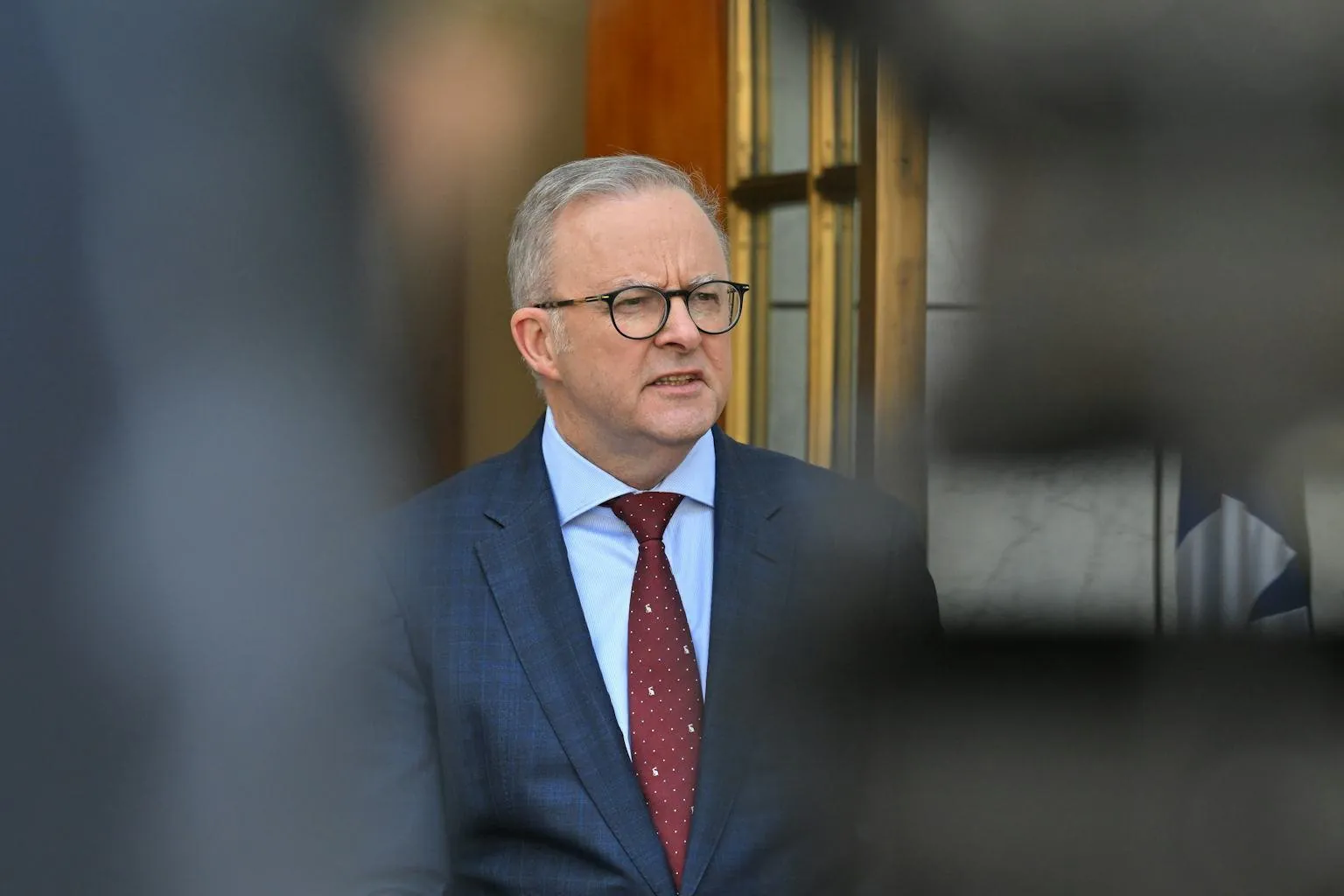
The legislation, introduced by Communications Minister Anika Wells, would put the onus on digital service providers to provide a safe online environment, with big tech companies facing significant fines if they fail to comply.
While the government claims the bill is necessary to protect Australians from online harm, critics argue that it goes too far and could lead to censorship of news events and the suppression of free speech.


Shellenberger’s warnings have sparked a national conversation about the importance of free speech and the need to protect it in the face of government overreach.
To understand the context of this debate, it’s essential to examine the broader history of online regulation in Australia. In recent years, the government has faced increasing pressure to take action against online harm, including cyberbullying, terrorism, and the spread of misinformation.
However, the proposed Digital Duty of Care Bill has raised concerns that the government is using this as an excuse to exert greater control over the online sphere and silence its critics.
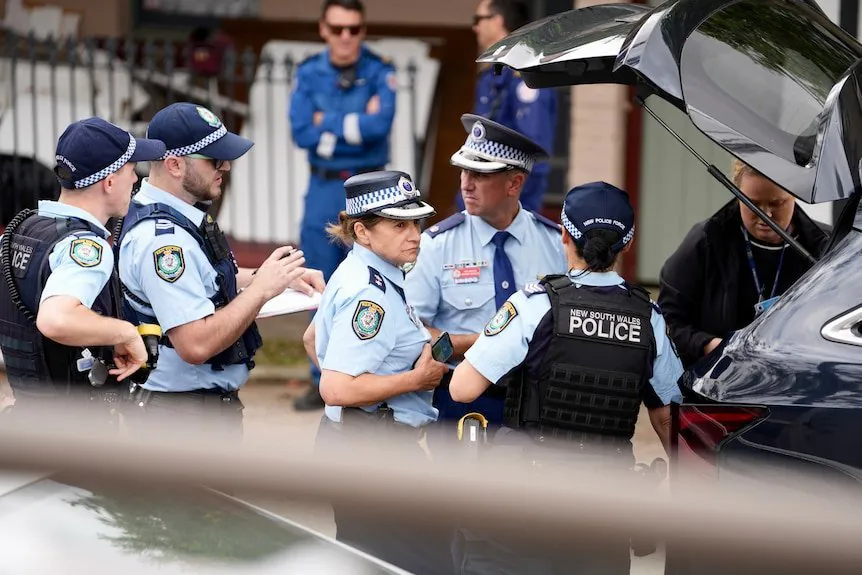
As Shellenberger noted, the bill’s provisions could be used to censor news events, including violent crimes like the Bondi Beach attack, and give the government unprecedented powers to shape the online narrative.
Analysis: What This Means for Australia is a critical question that needs to be addressed.
The proposed legislation has significant implications for the country’s national security, law enforcement, and community safety. If passed, it could lead to a situation where the government has unchecked powers to control online content, potentially stifling free speech and dissent.
This could have far-reaching consequences for Australia’s democracy, including the suppression of dissenting voices and the manipulation of public opinion.
As law enforcement insiders warn, the bill’s provisions could also be used to target specific groups or individuals, including those who criticize the government or its policies.
Security analysts say that the proposed legislation is a classic example of the dangers of government overreach, where the desire to protect citizens from harm is used as an excuse to exert greater control over the online sphere.
This could have significant consequences for Australia’s reputation as a beacon of democracy and free speech, and could potentially lead to a situation where the country is seen as a leader in online censorship rather than online freedom.
As industry observers believe, the bill’s provisions could also have a chilling effect on online discourse, leading to a situation where people are afraid to express their opinions or engage in online discussions for fear of being censored or targeted by the government.
In conclusion, the proposed Digital Duty of Care Bill has sparked a critical debate about the future of free speech in Australia.
While the government claims it is necessary to protect citizens from online harm, critics argue that it goes too far and could lead to censorship and the suppression of dissenting voices.
As the country moves forward, it’s essential to consider the broader implications of this legislation and to ensure that any measures taken to regulate the online sphere are balanced against the need to protect free speech and democracy.
By following free speech laws and online regulation, Australians can stay informed about the latest developments and ensure that their voices are heard in this critical debate.
Additionally, Australian Bureau of Statistics data on online trends and Australian Federal Police reports on cybercrime can provide valuable insights into the complexities of this issue.