

Australia’s Migration Conundrum: One Nation’s Plan to Slash Intake Could Add $300 Billion to National Debt and Wreck Budget Surplus Hopes
- One Nation’s drastic plan to cut migration intake by over 750,000 temporary visas in three years could have catastrophic consequences for Australia’s economy and budget
- Economists warn that reducing migration would lead to a significant loss of tax revenue, with roughly 820,000 fewer workers paying tax, and jeopardise the nation’s finances
- The proposal has sparked intense debate over immigration, with experts arguing that cutting migration alone will not solve housing affordability issues and could even exacerbate them
- As Australia’s unemployment rate and labour market conditions continue to shift, economists stress that there is no one-size-fits-all solution to migration, and a flexible approach is needed to balance economic and social needs
The Australian economy is at a crossroads, with One Nation’s plan to dramatically slash the nation’s migration intake sparking fierce debate over the potential consequences for the country’s finances, housing market, and social fabric.
According to economist Saul Eslake, a significant reduction in migration would have far-reaching implications for government revenue, employment, and the nation’s debt, with estimates suggesting it could add almost $300 billion to the national debt and jeopardise the prospect of returning the budget to surplus.
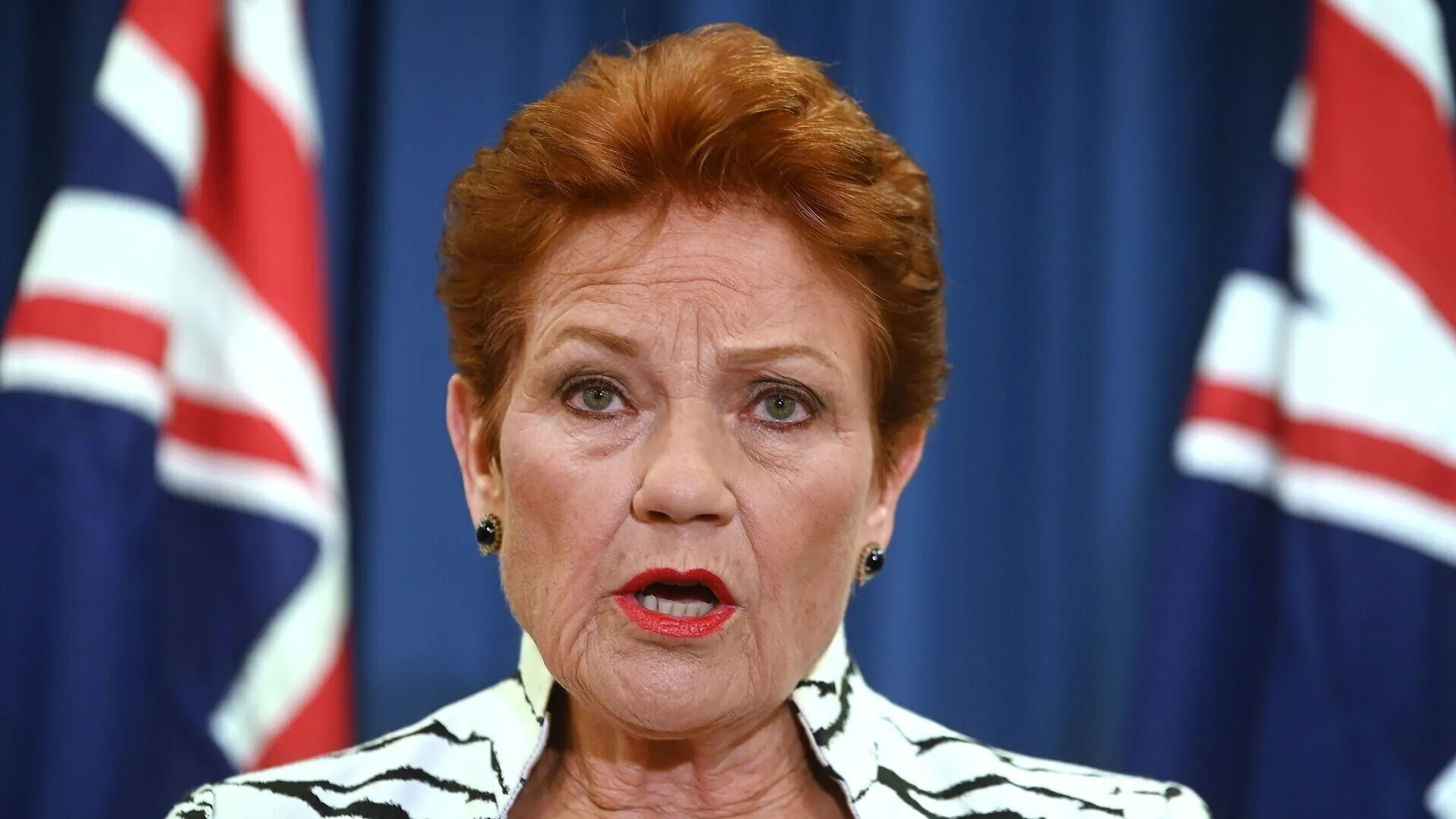
At the heart of the controversy is One Nation leader Pauline Hanson’s proposal to cut temporary visa numbers by over 750,000 in three years, targeting international students and the family members of skilled migrants to achieve net-negative migration, before imposing a net migration cap of 130,000 a year.
However, experts argue that this approach is misguided, as migrants are more likely to be employed and pay taxes, thereby contributing to the nation’s revenue rather than draining it.
In fact, Eslake points out that a higher proportion of people born overseas have jobs than those born in Australia, and they are less likely to draw social security until retirement age.

One of the primary concerns surrounding the proposal is its potential impact on housing affordability. Hanson has argued that reducing migration would help ease housing pressures by making homes more available and bringing costs down.
However, Eslake questions the evidence behind this argument, citing Australia’s experience during the COVID-19 pandemic, when net migration was negative for two years, yet housing prices continued to rise substantially.
This suggests that cutting migration alone may not be the silver bullet for solving housing affordability issues, and instead, a combination of policies aimed at reducing prices and accelerating construction may be needed.
Analysis: What This Means for Australia is that the nation’s economic and social landscape is about to undergo a significant transformation, with far-reaching implications for national security, law enforcement, and community safety.
The proposed reduction in migration intake could lead to a brain drain, as skilled workers and international students are deterred from coming to Australia, potentially weakening the nation’s economic competitiveness and innovation capabilities.
Furthermore, the loss of tax revenue from migrants could have a ripple effect on public services, including healthcare, education, and infrastructure, ultimately affecting the quality of life for all Australians.
Security analysts say that a drastic reduction in migration could also have unintended consequences for national security, as it may lead to a shortage of skilled workers in critical industries, such as cybersecurity and defence.
Law enforcement insiders warn that the proposed changes could create a black market for labour, as desperate employers seek to fill skill gaps, potentially leading to an increase in exploitation and human trafficking.
Industry observers believe that the proposal is a knee-jerk reaction to public concerns about immigration, rather than a carefully considered policy response, and that it may ultimately harm Australia’s reputation as a welcoming and inclusive nation.
As the debate over immigration continues to intensify, it is clear that there is no one-size-fits-all solution to migration. The economic impact of migration depends on several factors, including the composition of the intake and the state of the labour market.
Eslake stresses that the number of migrants Australia needs could change depending on unemployment levels, and that a weaker jobs market could make Australia less attractive to prospective migrants.
Ultimately, a flexible and nuanced approach to migration is needed, one that balances economic and social needs, and takes into account the complex and ever-changing nature of the Australian economy and society.
In conclusion, the proposed reduction in migration intake is a complex issue that requires careful consideration of the potential consequences for Australia’s economy, housing market, and social fabric.
While the intention behind the proposal may be to address public concerns about immigration, the potential risks and unintended consequences must be carefully weighed against the potential benefits.
As Australia navigates this critical issue, it is essential to prioritize a evidence-based approach, one that takes into account the latest research and data, and seeks to balance competing interests and needs.
By doing so, Australia can ensure that its migration policy is fair, effective, and sustainable, and that it continues to support the nation’s economic and social prosperity for generations to come.
For more information on this topic, visit migration policy or Australian Bureau of Statistics for the latest data and research on migration and its impact on the Australian economy and society.