
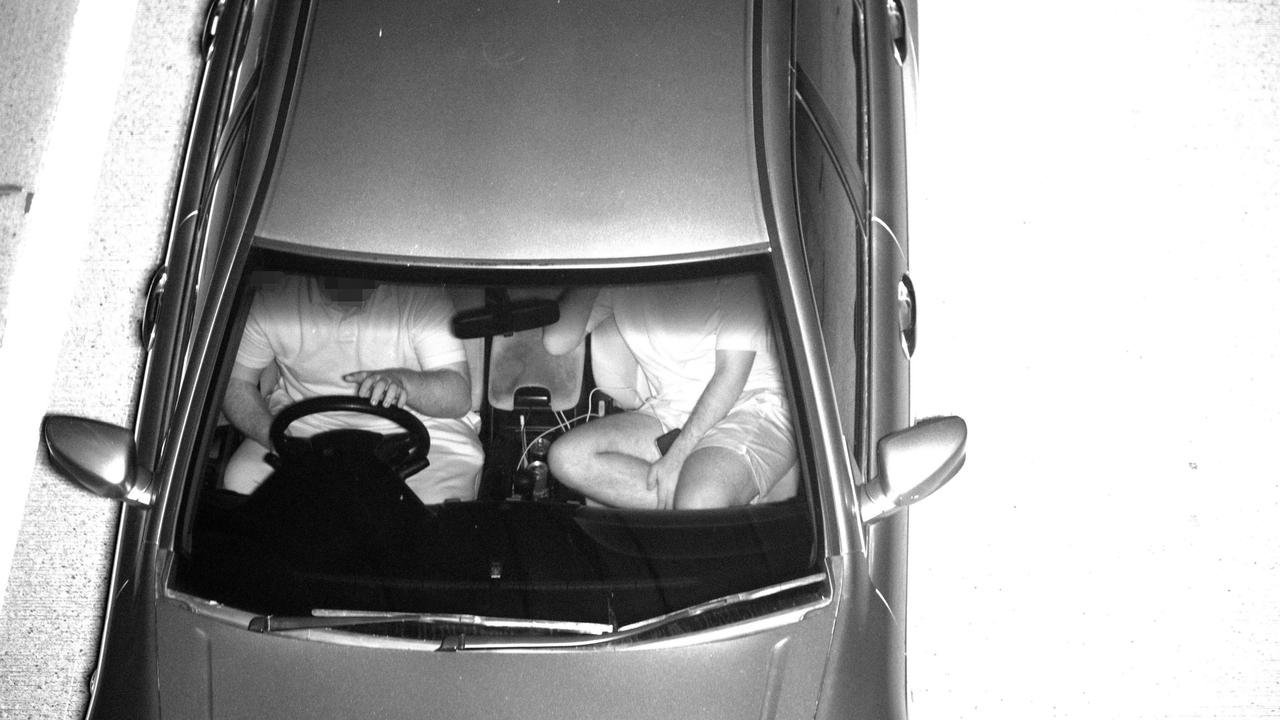
Australia’s Seatbelt Scandal: Drivers Slugged $50 Million in Fines for Passengers’ Mistakes as Calls Grow for Urgent Reform
- Sydney drivers are being forced to pay over $50 million in fines each year due to their passengers not wearing seatbelts correctly, sparking outrage and demands for change
- New data reveals that nearly 90 per cent of seatbelt fines are for seatbelts not worn correctly, rather than not buckled at all, with two-thirds of these cases being the passenger’s fault
- Experts warn that the current system is flawed, with drivers being unfairly penalised for their passengers’ mistakes, and are calling for a overhaul of the rules to hold adult passengers responsible for their own actions
- The issue has sparked a national debate, with Queensland already changing its laws to hold adult passengers accountable, and other states and territories being urged to follow suit
Imagine being slapped with a hefty fine and demerit points for something that wasn’t even your fault.
This is the reality for many Sydney drivers, who are being forced to pay over $50 million in fines each year due to their passengers not wearing seatbelts correctly.
The shocking statistic has sparked outrage and demands for change, with experts warning that the current system is flawed and unfair.
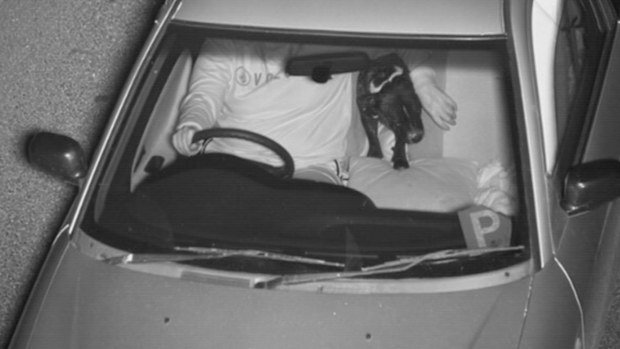
One such case is that of Sophia White, who nearly lost her licence after her passenger slipped his arm over his seatbelt while they were driving through Chatswood.
White was fined $500 and received six demerit points, despite having no idea that her passenger was not wearing his seatbelt correctly.
The incident was captured by a seatbelt camera, and White was left feeling frustrated and helpless. She challenged the penalty in court, but was unable to transfer the demerits to her friend, who was responsible for the mistake.
“I don’t know how I’m supposed to be looking at my adult, fully licensed passenger every five minutes,” White said. “It’s so frustrating because now if I have one more fine, I’ve basically lost my licence.
He has absolutely nothing against his name now, it’s against my name.” The case highlights the need for reform, with many arguing that it is unfair for drivers to be held responsible for their passengers’ mistakes.
In the last year, nearly 118,000 seatbelt fines were issued, totalling $53 million in revenue.
Almost 90 per cent of these fines were for seatbelts not worn correctly, rather than not buckled at all, and about two-thirds of those were the passenger’s fault.
Since cameras were introduced in 2023, seatbelt fines have skyrocketed by 1400 per cent, sparking concerns that the system is being used as a revenue raiser rather than a safety measure.
The NRMA’s Peter Khoury has called for a change to the system, arguing that it is unfair for drivers to be penalised for their passengers’ mistakes.
“We’re not going to change behaviour if somebody else is forced to carry the fine,” Khoury said. “The enforcement system needs to be about safety, not revenue.
And making sure that if we’re going to keep using cameras, we’re using them properly.”
The issue has sparked a national debate, with Queensland already changing its laws to hold adult passengers accountable.
Other states and territories are being urged to follow suit, with many arguing that it is the only way to ensure that the system is fair and effective.
Security analysts say that the current system is a classic example of how a well-intentioned law can have unintended consequences.
“The introduction of seatbelt cameras was meant to improve road safety, but it has ended up creating a whole new set of problems,” one analyst said.
“By holding drivers responsible for their passengers’ mistakes, we are creating a situation where people are being unfairly penalised and discouraged from using their cars.” Law enforcement insiders warn that the system is also being used as a revenue raiser, with many fines being issued for minor infractions.
“It’s a classic case of mission creep,” one insider said. “What started out as a safety measure has ended up being used as a way to raise revenue.
It’s not what the system was intended for, and it’s not what the public expects.”
Analysis: What This Means for Australia is that the current system is in need of urgent reform.
The fact that drivers are being slugged with millions of dollars in fines each year for their passengers’ mistakes is a clear indication that something is wrong.
The system is not only unfair, but it is also ineffective, with many arguing that it is not doing enough to improve road safety. By holding adult passengers responsible for their own actions, we can create a fairer and more effective system that prioritises safety over revenue.
This would not only benefit drivers, but also the broader community, by reducing the number of accidents and fatalities on our roads. As road safety continues to be a major concern for Australians, it is essential that we get the system right.
With the help of Australian Transport Safety Bureau, we can work towards creating a safer and more efficient transport system that benefits everyone.
Industry observers believe that the key to creating a fairer system is to educate the public about the importance of wearing seatbelts correctly. “It’s not just about slapping people with fines,” one observer said.
“It’s about creating a culture of safety and responsibility.
By educating people about the risks of not wearing seatbelts correctly, we can reduce the number of accidents and fatalities on our roads.” Security experts also warn that the current system is vulnerable to abuse, with some people taking advantage of the fact that drivers are responsible for their passengers’ mistakes.
“It’s a loophole that needs to be closed,” one expert said.
“By holding adult passengers responsible for their own actions, we can create a system that is fairer and more effective.” As the debate continues, one thing is clear: the current system is in need of urgent reform, and it is up to our lawmakers to create a fairer and more effective system that prioritises safety over revenue.
In conclusion, the issue of seatbelt fines is a complex one that requires a nuanced and multifaceted approach.
By educating the public, holding adult passengers responsible for their own actions, and creating a fairer and more effective system, we can reduce the number of accidents and fatalities on our roads and create a safer and more efficient transport system.
As transport infrastructure continues to be a major concern for Australians, it is essential that we get the system right. With the help of National Road Safety Strategy, we can work towards creating a safer and more efficient transport system that benefits everyone.
The time for reform is now, and it is up to our lawmakers to take action and create a system that is fair, effective, and prioritises safety over revenue.