
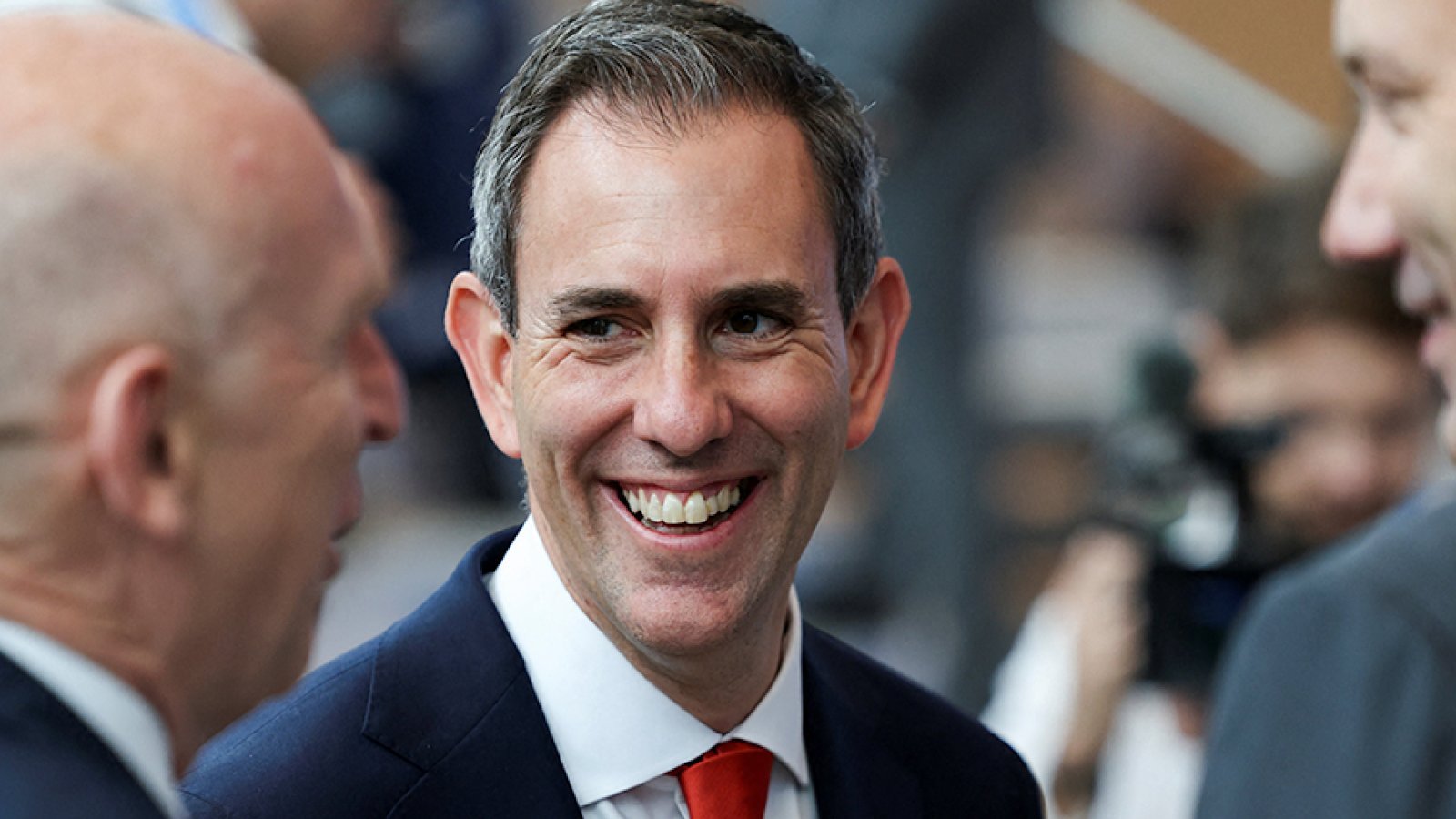
‘The Budget Can’t Afford It Forever’: Chalmers Slams the Door on More Petrol Relief as Inflation Hits 4.3 Per Cent and a Fifth Rate Hike Looms Over Struggling Families
- Treasurer Jim Chalmers has signalled that Australians should not expect another fuel excise cut, despite petrol prices driven up by the war in the Middle East.
- Annual inflation rose to 4.3 per cent in September, well above expectations, after prices jumped 0.8 per cent in a single month.
- Markets put the odds of a November interest rate rise above 60 per cent before the figures landed, and economists now expect the Reserve Bank to move next Tuesday.
- The Coalition has branded the Treasurer a “taxaholic” and blamed Labor’s spending, while Treasury insists the main causes are global oil prices and private investment.
For millions of Australians already stretched to breaking point, Wednesday delivered a double blow.
First came the figures. Then came the warning.
Within hours of new data showing inflation was accelerating rather than easing, the nation’s most senior economic minister made it plain that drivers should not count on Canberra to cushion the pain at the petrol pump again.
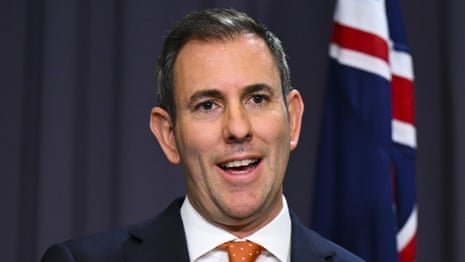
Speaking to reporters at Parliament House, Treasurer Jim Chalmers was asked why a fuel excise discount had been justified in the early weeks of the Middle East war but not now.
His answer was blunt. The government had always been clear, he said, that the budget “can’t afford that forever.”
The message to commuters, tradies, delivery drivers and regional families was unmistakable. The relief is over.
The latest monthly figures from the Australian Bureau of Statistics showed headline prices rose 0.8 per cent in September alone. That pushed annual inflation to 4.3 per cent, up from 4 per cent in August and far hotter than forecasters had predicted.
The Reserve Bank’s preferred underlying measure, which strips out volatile items such as fuel, came in at 3.7 per cent for the September quarter. The central bank had pencilled in 3.5 per cent.
Deputy governor Andrew Hauser, appearing at Senate estimates alongside Governor Michele Bullock as the numbers dropped, described the result as “too high”. Only a week earlier he had warned the outlook appeared materially worse than the bank had expected.
Mr Chalmers conceded inflation remained much higher than the government would like.
But he quickly turned defensive, arguing that other nations face similar pressures, that the war in the Middle East is chiefly to blame, and that domestic price pressure is coming mostly from private sector investment rather than government spending.
He did, however, flag that further savings would be unveiled in the mid-year budget update in December, though he said their scale was still being finalised.
The timing could hardly be worse for Labor. The Reserve Bank board meets on Monday and will announce its decision on Tuesday afternoon, alongside fresh economic forecasts.
Before Wednesday’s release, financial markets had already priced the chance of a November hike at better than 60 per cent.
That matters because households have already absorbed four rate rises this year.
Treasury secretary Jenny Wilkinson told estimates those increases were the most significant factor behind the current fall in house prices, a decline she said was broadly in line with what so many hikes would be expected to produce.
Ms Wilkinson also backed the Treasurer’s line, telling senators that strong private investment, including spending linked to artificial intelligence, and the fallout from the Middle East conflict were the main forces behind the resurgence in prices.
She argued that steadily shrinking deficits showed the budget was easing pressure, not adding to it.
Liberal deputy Jane Hume was not convinced, pointing to historically high overall spending and new policy decisions that had not always improved the bottom line. Ms Bullock, pressed on the same point, declined to comment directly on the government’s budget, saying only that the type of spending matters.
In Question Time, Opposition Leader Angus Taylor demanded the Prime Minister admit his Treasurer was wrong.
Anthony Albanese said he understood people were under pressure but warned there was no overnight fix, describing these as tough economic times that were far from over.
Shadow Treasurer Tim Wilson went further, accusing Mr Chalmers of offering households nothing but inflation and taxes.
He claimed Australia’s inflation problem had been building before the conflict began and listed areas he said could be cut, including corporate subsidies, bureaucracies and welfare for future non-citizens.
Analysis: What This Means for Australia
The end of fuel relief, combined with a likely rate rise, threatens to squeeze Australian households from both directions at once.
Higher petrol prices flow straight into the cost of groceries, freight and services, while another hike would add further pressure to mortgage holders already reeling from this year’s increases.
The burden will not fall evenly. Outer suburban and regional Australians, who drive longer distances with fewer transport alternatives, are most exposed to the cost of living crisis.
Small businesses reliant on vehicles face rising costs at the same moment customers are cutting back.
There is also a broader security dimension.
Australia’s heavy dependence on imported fuel leaves the economy vulnerable to conflict thousands of kilometres away, a weakness laid bare by how quickly Middle East instability has fed into local prices.
Questions over fuel security are likely to intensify.
Politically, the stakes are rising. Minor parties are seizing on the anger.
The Greens are promising a $21-a-week tax cut and equivalent welfare boost, which the Parliamentary Budget Office has found would cost about $22 billion a year, to be funded by taxing gas and resources.
One Nation is pushing a plan to let renters and mortgage holders divert part of their super into take-home pay for up to three years.
Economists say the September result has all but cemented expectations of a rise from the Reserve Bank of Australia next week, warning that underlying inflation running above forecast leaves the board little room to wait.
Budget observers believe the government is walking a tightrope.
Another fuel discount would be politically popular but costly, and critics argue it could add to the very inflation the central bank is trying to tame.
Industry observers warn that transport and logistics operators are likely to pass higher fuel costs on to consumers, meaning shoppers may feel the impact at the checkout within weeks.
Housing analysts note that while Treasury sees signs of the government’s tax changes reshaping investor behaviour, with investor loans for existing homes down 13 per cent since the budget, the short-term pain from rising rates is likely to dominate the housing market for months to come.
For now, the Treasurer’s message is clear. The bowser relief has ended, the December savings are coming, and families will be watching Tuesday’s decision with dread.