
Toddler Fighting for Life After Being Pulled Unconscious From Backyard Pool in Sydney’s Palm Beach as Police Declare Crime Scene at Family Home
- A two-year-old boy is in a critical condition with grave fears for his survival after being found unconscious in a backyard pool on Sydney’s Northern Beaches.
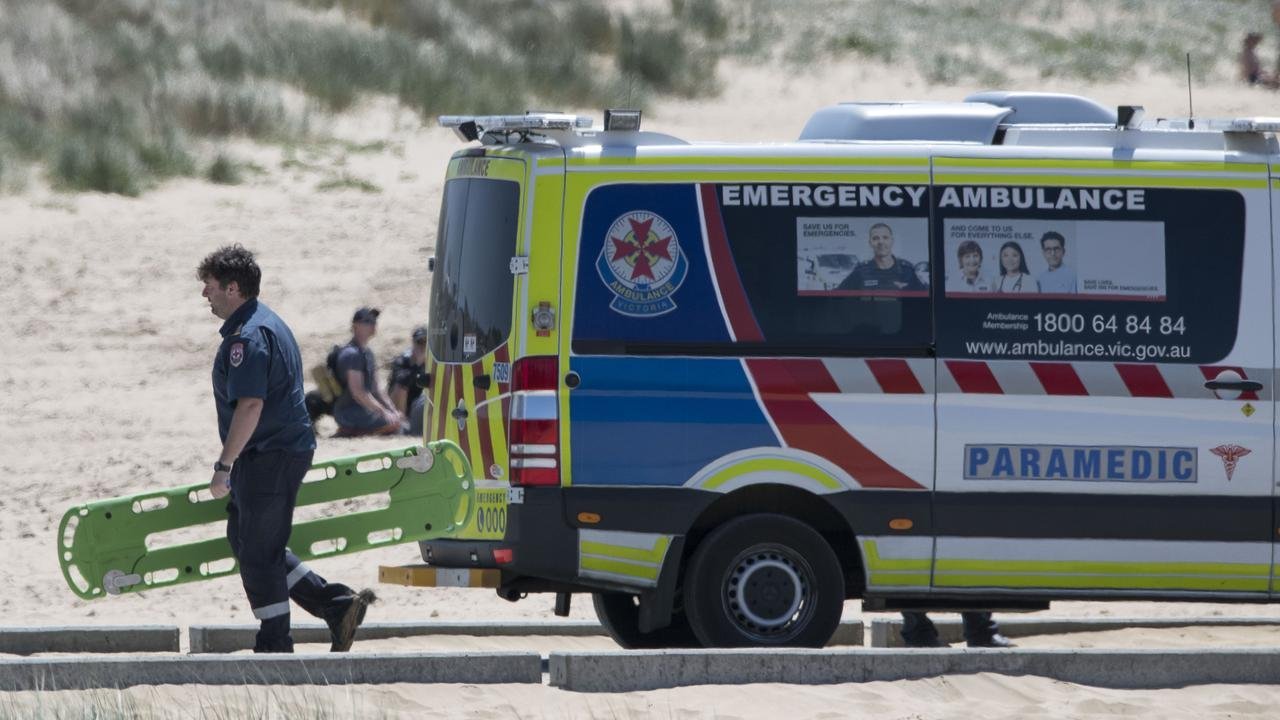
- Paramedics raced to the Barrenjoey Road property at Palm Beach shortly before 2pm on Thursday as a rescue helicopter was placed on standby.
- Police have established a crime scene at the home as detectives work to piece together the moments before the toddler was found.
- The incident is a stark reminder that a family’s backyard pool can become dangerous in seconds as Australia heads into the warmer months.
It was an ordinary Thursday afternoon in one of Sydney’s most picturesque coastal suburbs. Within minutes, it became every parent’s worst nightmare.
A two-year-old boy is now clinging to life in hospital after being pulled from a backyard pool at Palm Beach, on the northernmost tip of the city’s Northern Beaches peninsula.
Doctors hold grave concerns for his survival.
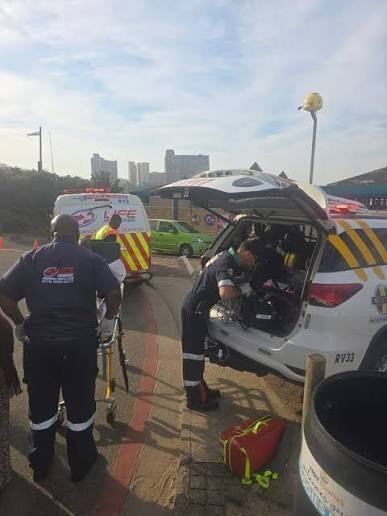
Emergency services were called to a home on Barrenjoey Road at about 1.45pm following reports a young child had been taken from the water unconscious.
Paramedics from NSW Ambulance rushed to the scene and began working on the little boy. A medical retrieval helicopter was put on standby as crews assessed whether an airlift would be needed.
In the end, the toddler was transported by road to Northern Beaches Hospital at Frenchs Forest, where specialist staff took over his care.
By Thursday evening, his condition remained critical.
Officers from NSW Police Force have since declared a crime scene at the property. Investigators are now examining exactly what happened in the moments leading up to the boy being found in the water.
It is important to note that establishing a crime scene is a routine step when a young child is seriously injured. It allows police to preserve the location, gather evidence and build an accurate timeline.
It does not, in itself, suggest any wrongdoing.
No further details about the family or the circumstances have been released.
The heartbreaking incident comes as Sydney moves toward summer, a season that tragically brings a rise in water-related emergencies across the country.
Water safety organisations, including Royal Life Saving Society Australia, have warned for years that children aged under five are among the most vulnerable to drowning, and that home swimming pools are consistently one of the most common locations for these incidents.
The danger is often silent. Unlike the frantic splashing depicted in films, a child in trouble in the water frequently makes little or no noise.
A toddler can slip beneath the surface in the time it takes to answer a phone, check on a sibling or step inside to grab a towel.
New South Wales has strict pool safety laws, with legislation requiring backyard pools to be surrounded by compliant fencing and self-closing, self-latching gates.
Yet safety advocates have long cautioned that fences can be left propped open, gates can fail and climbable objects can be left nearby, undoing even the best protections.
The Northern Beaches, with its affluent homes, coastal lifestyle and high concentration of private pools, is a region where water is woven into daily family life.
That familiarity, experts warn, can sometimes breed a dangerous sense of comfort.
Analysis: What This Means for Australia
Beyond the agony of one family, incidents like this one strike at the heart of a broader public safety challenge facing communities nationwide.
Australia is one of the world’s great swimming nations. Millions of households have access to a pool, and the backyard dip is embedded in the national identity.
But that lifestyle carries a heavy and recurring cost, and every summer emergency departments brace for a predictable wave of child immersion cases.
For law enforcement, each case brings a sensitive and painstaking investigation. Police must determine whether barriers met regulatory standards, how supervision was arranged and whether any failures contributed.
These findings can ultimately feed into coronial inquiries, which have historically shaped tougher pool fencing laws and compliance regimes.
For local councils, the question of enforcement looms large. Pool barrier inspections and registration schemes exist in NSW, but advocates argue resourcing and follow-up remain patchy across the state.
The social consequences are profound. Drowning incidents involving young children ripple through entire communities, devastating families, traumatising first responders and leaving neighbours shaken.
Survivors of serious non-fatal drowning can face long-term health impacts, placing ongoing strain on families and the health system.
There is also an economic dimension. Intensive hospital care, rehabilitation and lifelong support for children who survive with injuries represent a significant cost, one that prevention campaigns are designed to reduce.
Above all, the case underscores a sobering reality: no single safeguard is enough. Fences, supervision, swimming lessons and CPR knowledge must work together.
Water safety experts say constant, active adult supervision remains the single most important protection for young children around water, with a fence acting as a crucial backup rather than a substitute.
Emergency medicine observers note that the minutes immediately after a child is pulled from the water are critical, and that bystanders who know how to perform CPR can make a decisive difference while paramedics are on their way.
Law enforcement insiders explain that investigations into such incidents are typically handled with great care, given the trauma experienced by families, and can take considerable time as police gather witness accounts and inspect the property.
Community safety advocates believe the start of the warmer season is the ideal moment for households to check pool gates, clear climbable objects away from fences and refresh their CPR training.
For now, the focus remains on a hospital bed at Frenchs Forest, where a little boy fights for his life and a family waits for news.
Anyone with information about the incident is urged to contact Crime Stoppers.