
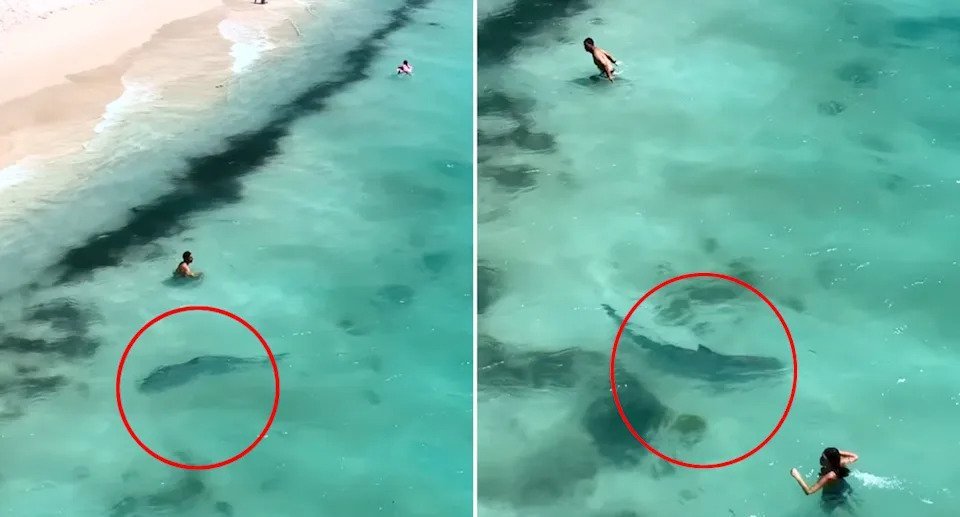
Sharks Force Swim Leg of the World’s Biggest Olympic Distance Triathlon to Be Scrapped Entirely as Lifesavers Refuse to Enter the Water at Noosa
- Lifesavers due to patrol the course on jetskis and boards would not go into the ocean after a fresh shark sighting at dawn, just over an hour before the starting gun.
- Organisers axed the swim with about 60 minutes’ notice, turning the sold-out race for 8,500 athletes into a duathlon.
- It is the first time in the Noosa Triathlon’s 43-year history that the swim has been cancelled outright.
- Defending champion Matt Hauser won again, while Natalie Van Coevorden took the women’s title by just 15 seconds.
The wetsuits were zipped. The goggles were on.
Thousands of athletes stood along one of Australia’s best-known beaches, ready for the biggest race of their year.
Then the ocean made the decision for them.
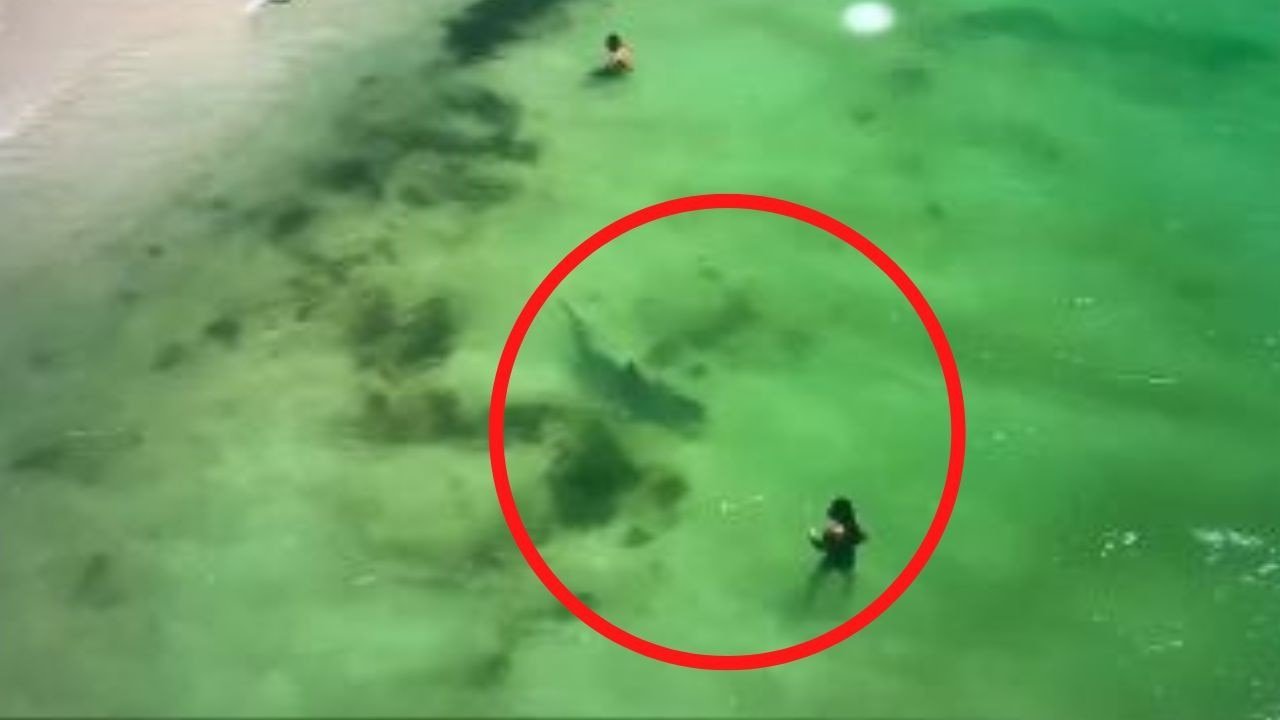
A shark was spotted off Noosa at first light on Sunday. Little more than an hour later, the swim leg of the world’s largest Olympic distance triathlon had been wiped from the program.
Months of open-water training ended before a single stroke was taken.
For the 8,500 competitors and about 20,000 spectators who had packed into the Sunshine Coast town, it was a stark reminder that on Australia’s coastline, nature still has the final say.
The trouble began a day earlier. On Saturday, sharks were seen offshore and Noosa Main Beach was briefly closed.
Swimmers were cleared from the water as authorities kept watch.
Organisers acted that night. They redrew the course and cut the swim to roughly one kilometre, a shortened loop designed to keep competitors close to shore in shallower water.
It was not enough.
Shark surveillance began at dawn on Sunday, with the first wave due to start at 6:15am.
When another shark was sighted in that early light, the Noosa Heads surf lifesavers rostered to watch over the swimmers from jetskis and paddleboards declined to go into the water.
Without them, there was no race in the ocean. With about an hour to go, organisers cancelled the swim entirely.
Head of operations Rebecca Van Pooss said the team had seen the possibility coming and had a backup plan ready. She said organisers fully understood the lifesavers’ refusal.
If the patrol could not safely go out, she said, the athletes could not either.
The timing was brutal. Ms Van Pooss explained that surf lifesaving protocol keeps everyone out of the water for 60 minutes after the most recent sighting.
With the start fast approaching, there was no room to push the schedule back, so the call had to be made immediately.
In place of the swim, organisers added a 5km run. Competitors then took on the usual 40km ride and 10km run.
Ms Van Pooss said changes to the course and distances were not unusual, but this was the first time in 43 years that the swim had been abandoned completely.
The Noosa Triathlon is more than a race. It is a fixture of the Queensland sporting calendar and a major weekend for Queensland tourism, filling accommodation, cafes and streets across the region.
Its ocean swim at Main Beach is part of its identity. Losing that leg is a huge disruption, and a sign of how seriously safety authorities now take every sighting along the coast.
Shark encounters have long been a source of concern in Queensland waters, and debate over how to manage the risk, from surveillance to the state’s shark control program, has continued for years.
Recent shark attacks in Australian waters have kept the issue in the public eye.
Analysis: What This Means for Australia
The decision at Noosa shows a shift in how Australia handles risk in the ocean. A decade or two ago, organisers might have been tempted to wait it out, shorten the course further, or press on.
On Sunday, the people in the water had the final word, and everyone else followed.
For community safety, that is an important precedent.
Australia’s beaches depend on volunteer and professional lifesavers whose judgement now carries real authority, even when thousands of entry fees, sponsorships and tourism dollars are at stake.
There are wider consequences too. Mass-participation ocean events are a big drawcard for coastal towns.
If sightings keep disrupting major races, organisers nationwide may face pressure to build in more fallback plans, from duathlon formats to backup swim venues.
For emergency services, the episode shows how much depends on early detection. Dawn surveillance spotted the danger before anyone entered the water, and that is the outcome every authority wants.
Surf Life Saving Queensland safety manager Matt Thompson admitted the result was disappointing for competitors.
But he said preventing an incident before it happens is always the best outcome, and that spotting threats early and acting quickly is critical to keeping people safe in the water.
Water safety observers say Sunday was a textbook case of the system working as intended. Sighting, protocol, decision: all within minutes and with no injuries.
Event industry insiders believe the speed of the response, backed by a plan drawn up the night before, will be studied by organisers of other coastal events.
They warn that last-minute changes of this scale are a logistical headache, but far easier to manage than the alternative.
Marine safety advocates point out that shark activity off popular beaches is a reality Australians live with, and that clear rules, such as the 60-minute exclusion, protect athletes and lifesavers alike.
Guidance from Surf Life Saving Queensland remains central to those decisions.
Back on land, the racing was still fierce.
Matt Hauser defended his title in the elite men’s race, completing the reworked course in 1:39:34 to make it back-to-back wins at Noosa.
The women’s elite race was even closer. Natalie Van Coevorden crossed the line in 1:58:11, holding off Richelle Hill by just 15 seconds after a gripping finish.
For thousands of age-group competitors, there was no podium, just a quick change of plan, an unexpected extra run and a story they will be telling for years.
And somewhere off Noosa’s headland, the sharks that started it all swam on, unaware they had rewritten 43 years of history.