
‘Senseless Slaughter’ on Canberra’s Rural Fringe: Teen and Two Men Charged After Sheep Allegedly Herded Into Pen and Deliberately Maimed, Leaving Four Dead
- Eight sheep were allegedly rounded up and trapped in a holding pen before being deliberately attacked on a property off the Monaro Highway in Canberra’s south.
- One animal died where it fell, three more had to be put down because of their horrific injuries, and two others were left seriously hurt.
- A home on the same property was allegedly broken into and torn apart, leaving the owners facing extensive damage.
- A 17-year-old, an 18-year-old and a 27-year-old now face a raft of charges, including participating in a criminal group, possessing a prohibited firearm and trafficking cannabis.
They were defenceless, cornered and going nowhere.
Police allege that is exactly how a group of intruders wanted it when they forced eight sheep into a holding pen on a quiet rural block in Canberra’s south and then set about hurting them on purpose.
By the time it was over, four animals were dead and two more were badly wounded. The farmhouse had also allegedly been ransacked.
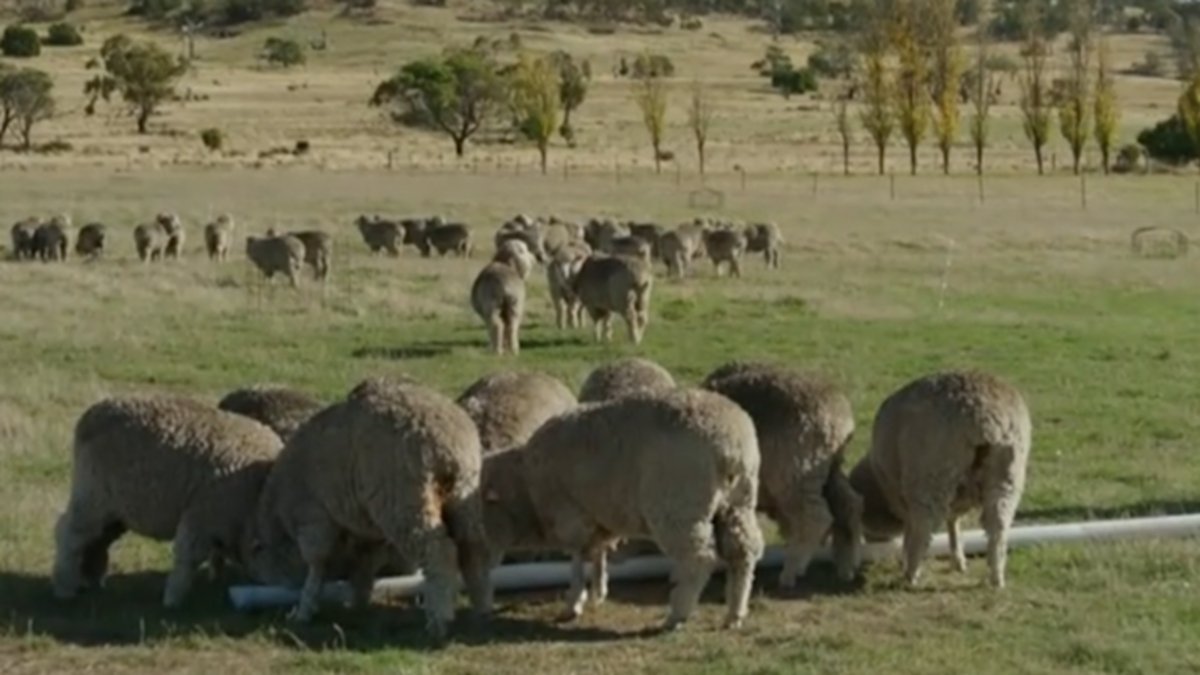
For the people who live on the semi-rural edge of the nation’s capital, it is a chilling reminder that the bush is not as far from the city’s problems as many like to believe.
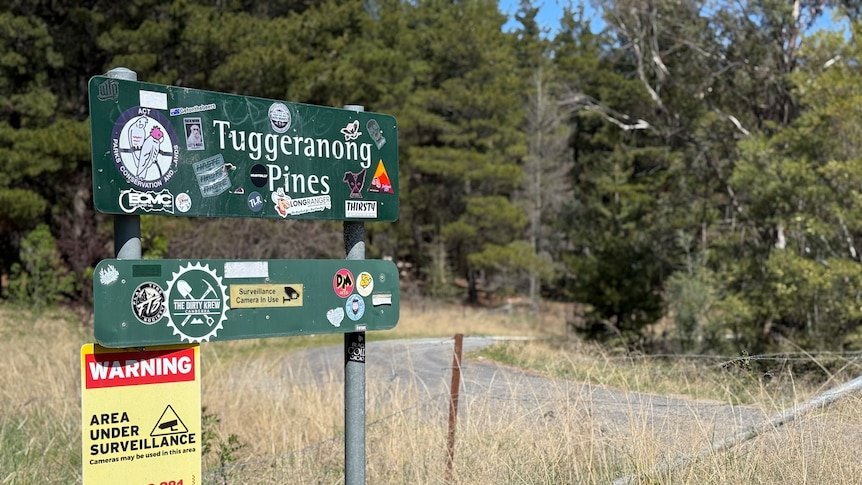
Three people have now been charged over the alleged attack, which happened on September 16 at a property near the Monaro Highway in Tuggeranong.
The youngest is a 17-year-old boy. He was arrested in the suburb of Chisholm on Saturday and appeared before the ACT Children’s Court on Monday.
He has been charged with four counts of joint commission aggravated cruelty to an animal causing death and two counts of joint commission aggravated cruelty to an animal causing serious injury.
He also faces single counts of aggravated burglary, attempted aggravated burglary and participating in a criminal group, along with driving offences.
An 18-year-old man from Richardson faces similar animal cruelty charges. Police have also charged him with aggravated burglary with intent to damage property, possessing a prohibited firearm and trafficking a trafficable quantity of cannabis.
He faces several further motor vehicle and driving charges.
The third accused, a 27-year-old man, has been hit with multiple offences, including four counts of aggravated animal cruelty causing death, two counts of aggravated animal cruelty causing serious injury, and aggravated burglary.
According to ACT Policing, one sheep died at the scene. The injuries suffered by three others were so severe that they had to be euthanised.
Two more survived but were seriously hurt.
Investigators say the trio was identified after an inquiry into the break-in. None of the allegations have been tested in court.
The location is significant. Tuggeranong sits on the southern fringe of Canberra, where suburban streets give way to paddocks, hobby farms and grazing land within minutes.
The Monaro Highway corridor carries commuters and freight traffic past properties where livestock are kept only a short drive from residential estates.
That closeness is part of the appeal for landholders. It is also what makes them vulnerable.
Properties on the urban edge are easy to reach, often hard to monitor around the clock, and in many cases are left unattended for long stretches during the working day.
Under ACT law, aggravated animal cruelty is among the most serious animal welfare offences. It applies where an act of cruelty results in death or serious injury, and it carries significantly tougher penalties than lesser charges.
The use of “joint commission” charges against the teenager signals that prosecutors allege the group acted together in a shared enterprise, rather than as individuals.
The criminal group charge adds another layer, pointing to authorities treating the incident as more than an act of opportunistic vandalism.
Analysis: What This Means for Australia
At its heart, this case is about public safety in the places Australians tend to assume are safest.
Farming families and small landholders across the country have long raised concerns about rural crime, from stock theft and machinery burglaries to trespass.
What makes this alleged incident stand out is the claim that the animals were deliberately harmed after being confined, with a house broken into on the same property.
The allegation that one of the accused was in possession of a prohibited firearm, and that another faces a criminal group charge, will alarm residents. It raises uncomfortable questions about what kind of risks are moving between suburban streets and isolated rural blocks.
For law enforcement, the case highlights the challenge of policing peri-urban areas. These zones fall between the denser coverage of the suburbs and the wide-open spaces where response times are naturally longer.
Every property owner who feels exposed after reading about an attack like this is another resident questioning whether help would arrive quickly enough.
There is also an economic toll. Livestock losses hit small producers directly, and the cost of repairing a ransacked home, upgrading security and dealing with insurance can be crippling.
Beyond dollars, there is the emotional damage of discovering animals in your care have been badly hurt.
And the age of the accused, including a 17-year-old before the Children’s Court, feeds into an ongoing national debate about youth crime and how the justice system should respond to young people accused of serious violent offending.
Animal welfare experts say there is a well-documented link between deliberate cruelty to animals and broader patterns of violent or antisocial behaviour, which is why such cases are increasingly treated as a serious warning sign rather than an isolated offence.
Organisations such as RSPCA ACT have consistently urged the community to report suspected cruelty as early as possible.
Law enforcement insiders warn that properties on the edges of major cities often present an attractive target because they combine easy road access with limited passing traffic and fewer neighbours to raise the alarm.
They say security cameras, locked gates and community watch networks can make a real difference.
Rural industry observers believe incidents like this one erode the sense of safety that draws people to semi-rural living in the first place. They argue that stronger cooperation between police, landholders and local groups is essential to stop small property owners from feeling they are on their own.
Criminal justice analysts note that the combination of charges in this case, spanning animal cruelty, burglary, firearms, drugs and driving offences, is likely to make for complex court proceedings that will be closely watched in the capital.
For now, the three accused face the slow grind of the court process.
For the owners of that property in Canberra’s south, the damage has already been done: a home turned upside down, and a paddock that will never quite feel the same again.