
Second Top End Teen Girl Charged in Terror Probe as Police Allege ‘Glorification of Mass Casualty Attacks at Schools’ and AFP Chief Warns Youth Radicalisation ‘May Be the Greatest Challenge’ Facing Australia
- A teenage girl from the Northern Territory has been charged with collecting or making documents likely to facilitate terrorist acts, the second Top End youth arrested in a week.
- Counter-terrorism investigators allege material seized from her home showed a “mixed ideological motivation” that included glorifying mass casualty attacks at schools.
- A judge described some of the messages as “extremely concerning”, including ones suggesting she was having trouble getting into a gun safe.
- The AFP Commissioner has delivered a stark warning that family, school, sport and faith support networks that once shielded children are eroding.
Her mother wept the moment she saw her.
Flanked by relatives in a Northern Territory courtroom, a teenage girl, too young to be named, faced a magistrate’s bench accused of something most Australian parents would struggle to imagine: collecting material that could help carry out a terrorist attack.
She is the second Top End teenager in just seven days to be swept up in a counter-terrorism investigation, and the case is now forcing a confronting national question.
How are Australian children, in a remote corner of the country, allegedly being drawn towards the darkest ideas on the internet?
The girl was arrested after officers from the Joint Counter Terrorism Team raided a home in the Top End earlier this week. The team brings together the Australian Federal Police, NT Police and the Australian Security Intelligence Organisation.
A spokesperson for the team said documents seized during the search allegedly revealed “a mixed ideological motivation, including glorification of mass casualty attacks at schools”.
She has been charged with collecting or making documents likely to facilitate terrorist acts. Her age has not been released, and she cannot be identified for legal reasons.
Police said “controlled and prohibited weapons” were seized during the raid.
But in the NT Youth Justice Court, defence lawyer Brooke Houen insisted her client had no access to firearms, telling the court every weapon was owned by licensed holders and properly registered.
Judge Giles O’Brien-Hartcher responded that there were “messages suggesting she was having trouble getting into the [gun] safe”.
Ms Houen sought an adjournment so the girl could be assessed for electronic monitoring before any bail application. The judge granted it, while calling the allegations “pretty serious” and noting some of the messages were “extremely concerning”.
He also raised a pointed question: should he be worried about the girl crossing paths in detention with the teenager charged last week?
Ms Houen said she did not know that particular facility but conceded boys and girls could mix during education programs, adding that there should be no association between them.
She asked for the concern to be recorded on a form flagging her client as “at risk”.
It remains unclear whether the two teens know each other. The girl was remanded in custody and will return to court on November 13.
The earlier arrest set the alarm bells ringing.
Last week, another Top End teenager appeared in court charged with collecting documents likely to facilitate a terrorist act, and with possessing schematics for 3D-printed firearms.
Two cases in one week, in a jurisdiction of roughly a quarter of a million people, is a pattern authorities cannot ignore.
It also fits a wider trend security agencies have been warning about for years.
ASIO lifted the national terrorism threat level to “probable” in 2024, and its leadership has repeatedly flagged a rising number of minors appearing in counter-terrorism investigations, often radicalised online, often with muddled or blended beliefs rather than allegiance to a single group.
That “mixed ideology” description, now attached to this case, is exactly what investigators fear most. It suggests not a recruit following an organisation’s orders, but a young person assembling a personal worldview from fragments of hate, violence and grievance.
Analysis: What This Means for Australia
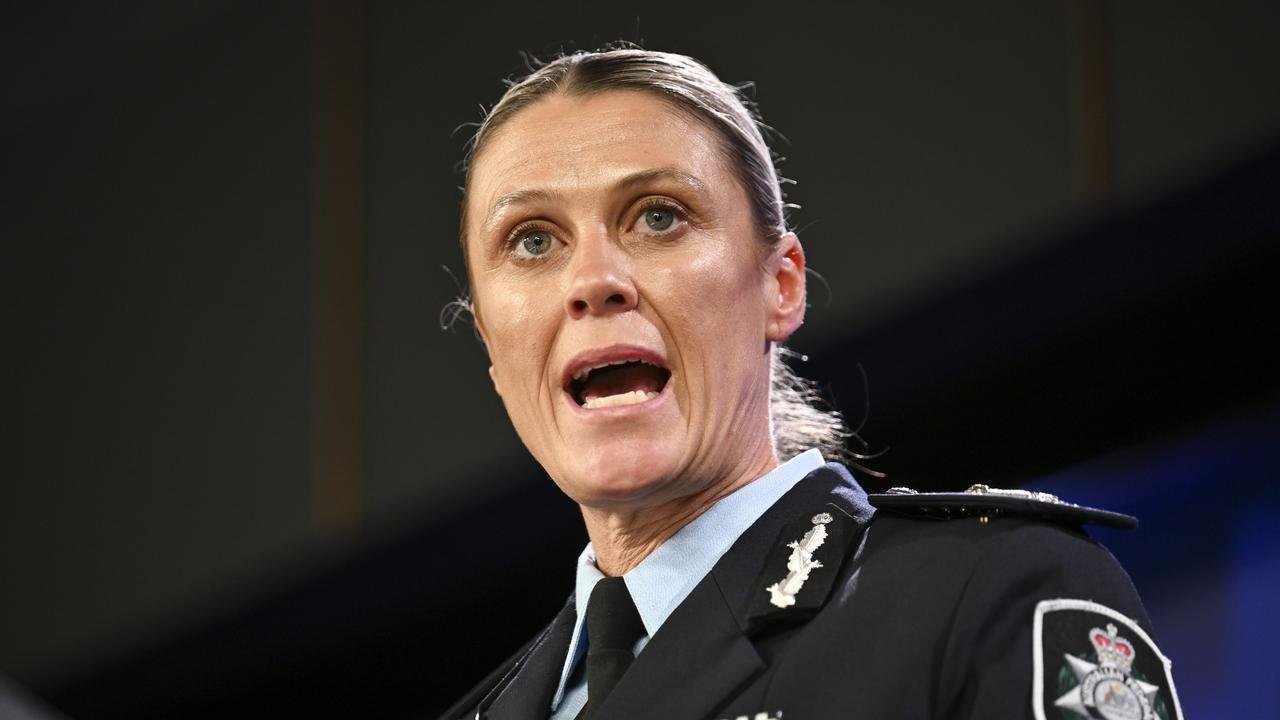
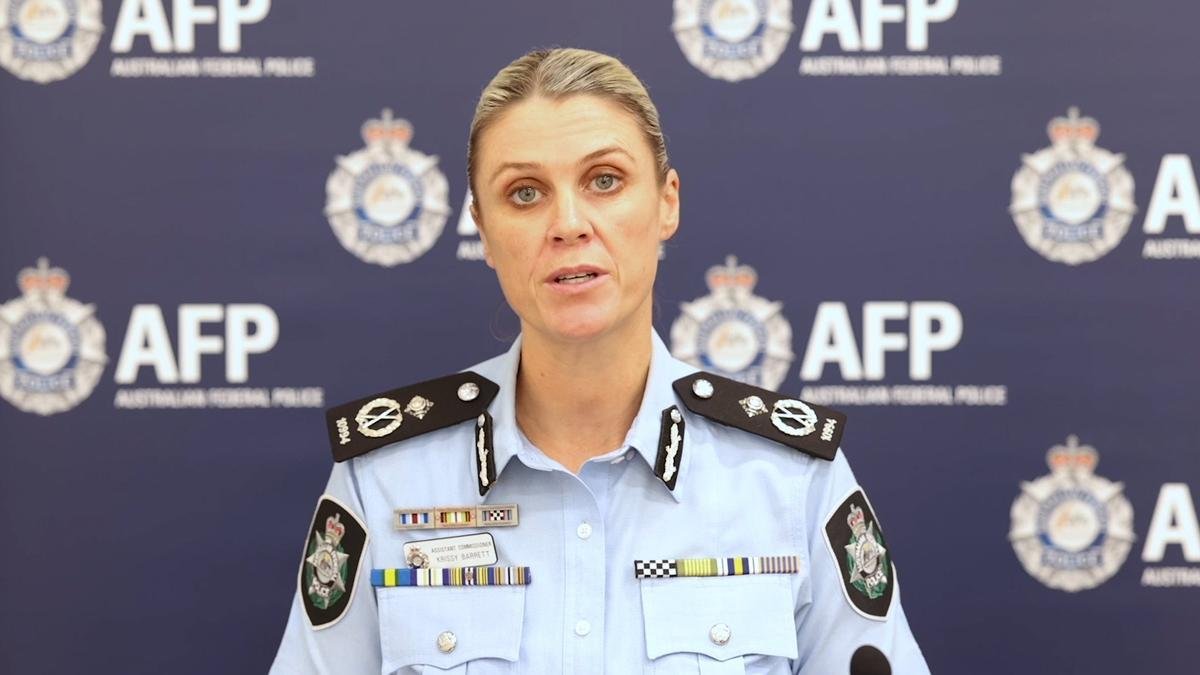
AFP Commissioner Krissy Barrett has not minced words. She said youth radicalisation “may be the greatest challenge” the country faces, describing the threat as “confronting”.
Speaking about the climate of “fraying social harmony”, she said police were encountering more young people who are disengaged, confused, resentful and sometimes violent.
At the same time, she warned, the protective layers that once surrounded children, such as family, sport, school, teachers and faith leaders, are wearing thin or missing altogether.
For national security, the implications are profound. Traditional counter-terrorism relied on tracking networks and known individuals.
A lone, isolated teenager scrolling in a bedroom presents a far harder target to detect, and potential access to firearms or 3D-printing technology raises the stakes even further.
For law enforcement, the cases expose a gap that policing alone cannot close.
Commissioner Barrett said that while many young people charged with serious offences lack support, others are simply curious and impressionable, manipulated through social media after seeking answers about polarising issues online instead of from a trusted adult.
Many, she said, end up in violent, racist or misogynist corners of the web.
“If it used to take a village to raise a child, because of advances in technology, it now takes a country to keep them safe,” she said, calling for a whole-of-society response.
For communities, the fear is visceral. Allegations involving the glorification of school attacks strike at the heart of every family that sends a child through the school gates each morning.
The debate over social media ban for under-16s, online safety and youth crime is likely to intensify as a result.
NT Police Commissioner Martin Dole called the second arrest “deeply concerning”, saying it was disappointing and confronting to see another young person allegedly caught up in such matters.
He said Territorians “cannot afford to be complacent about violent extremism” and urged parents to take an interest in what children do online, talk to them, and watch for significant changes in behaviour.
“If something concerns you, tell someone,” he said, stressing that community tip-offs can make an enormous difference. He also asked residents to “be alert, not alarmed”, assuring them investigators were working closely with Commonwealth partners.
Security analysts say the alleged blend of ideologies in recent youth cases reflects an online ecosystem where extremist content is algorithmically served, gamified and stripped of context, making it difficult for parents to recognise warning signs.
Law enforcement insiders warn that the spread of 3D-printed weapon blueprints adds a dangerous new dimension, potentially allowing young people to bypass Australia’s strict gun laws.
Child safety observers believe early intervention, through schools, mental health services and diversion programs, offers the best chance of pulling vulnerable teens back before allegations ever reach a courtroom.
For now, one Top End family waits for November 13, and a nation is left to reckon with how close the threat may be to home.