
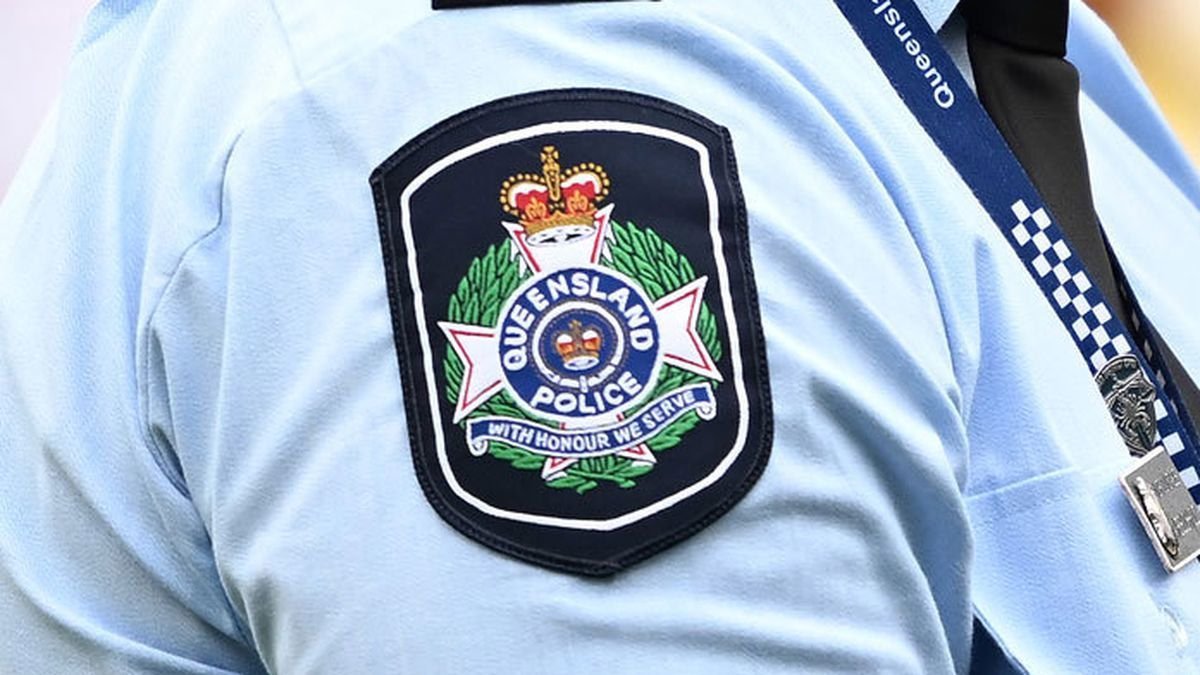
Horror at Brisbane Funeral Home as Three Charged After Mourners Allegedly Arrived With Scalpels, Scissors and Blades to Wound a Father’s Body During Private Viewing
- Two men and a woman have been charged after a corpse was allegedly interfered with inside a private viewing room at a funeral home in Browns Plains, south of Brisbane
- Police will allege the trio entered the premises carrying scissors, scalpels and blades with the intention of wounding the dead man’s body
- The funeral home owner says she left the room so the family could observe “cultural practices”, then returned to find gloves being packed away
- The case has left a grieving industry shaken and raised hard questions about how far funeral homes can safely trust the families they serve
A funeral home’s viewing room is meant to be the quietest place a family will ever stand.
It is where sons say goodbye to fathers. Where the dead are dressed, prepared and treated with care by people who have made dignity their profession.
But on Friday afternoon, inside a small suburban funeral business south of Brisbane, police allege that sanctuary was violated in a way that has stunned investigators, rattled the local community and left the owner struggling to come to terms with what she witnessed.
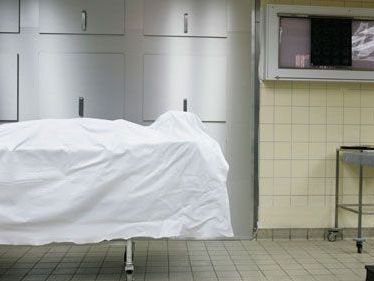
Three people now face court, accused of entering Swanborough Funerals at Browns Plains armed with sharp instruments and interfering with the body of a man they knew.
The deceased was, according to the business owner, the father of one of the accused.
Brian Christian Wong, Cassandra Hunter and Changmin Koo appeared in Brisbane Magistrates Court on Saturday morning.
Each is charged with three offences: misconduct with a corpse, entering a premises with intent to commit an indictable offence, and being armed with intent to enter a premises and commit an indictable offence.
None applied for bail. Their matters were adjourned.
None of the allegations have been tested in court, and all three are entitled to the presumption of innocence.
According to Queensland Police Service, the trio arrived at the Logan-area funeral home around 1pm on Friday, having arranged in advance to view the man’s body.
Police allege that during the viewing, one of the men interfered with the corpse and then fled before officers arrived.
The second man and the woman were taken into custody at the scene. The third was tracked down hours later, arrested around 6.30pm at a home in Browns Plains.
Officers will allege the group brought scissors, scalpels and blades into the building with the express purpose of wounding the body.
Funeral home owner Esther Swanborough has given a harrowing account of how the afternoon unfolded.
She said Mr Wong had attended with two relatives to discuss arrangements for his father’s funeral, and during that conversation expressed what she described as a “deep need” to see him.
It was a request she and her staff would have heard countless times before. A mortician prepared the body, and the family was shown into the home’s private viewing space.
Ms Swanborough said she was then asked to step out so the family could carry out “cultural practices”. She stressed that this was not unusual.
Funeral directors across Australia routinely give grieving families privacy to pray, perform rituals or simply sit with their loved one.
When she came back, she said, it was immediately clear something was wrong.
She claims she saw gloves being put away, and was struck by the impression that something entirely different had been taking place. She said she confronted the group, asking what they had done, and as the pieces fell into place, staff called police without delay.
From that moment, she said, her only focus was caring for the man in her keeping.
The ordeal has affected her deeply, she said, because she cares profoundly about the industry and the people it serves.
Police have not publicly outlined any alleged motive, and no explanation has been offered in court so far. What prompted the alleged act remains, for now, unanswered.
Under Queensland’s Criminal Code, interfering improperly or indecently with a dead body, or subjecting it to indignity, is a criminal offence. It is a rarely used provision, and cases reaching a courtroom are uncommon, which is part of why this matter has drawn such attention.
The additional charges are significant.
By alleging the accused entered the premises intending to commit an indictable offence, and did so while armed, police are signalling they believe this was planned rather than a spontaneous outburst of grief.
Analysis: What This Means for Australia
At its heart, this case exposes a vulnerability at the centre of the nation’s funeral industry, one built almost entirely on trust.
Australia is one of the world’s most culturally diverse nations, and funeral directors have spent decades learning to accommodate a wide range of religious and cultural customs.
Stepping outside to give a family privacy is not a lapse in procedure. It is regarded as basic respect.
That is precisely what makes this alleged incident so unsettling.
If a family member can enter a viewing room with concealed blades, the industry faces an uncomfortable question: how do you protect the dead without treating every mourner as a suspect?
For small, family-run operators, the consequences could be practical and costly. Bag checks, supervised viewings, additional staff and CCTV in sensitive spaces all carry expense and risk alienating the very communities funeral homes exist to serve.
There is also a law enforcement dimension. Offences involving human remains sit in an awkward corner of crime and justice, rarely prosecuted and little understood.
How Queensland’s courts handle this matter may shape how police and prosecutors approach similar allegations across the country.
And for the Browns Plains and wider Logan community, there is the human toll: staff who prepared the body, the business owner left shaken, and a family whose loss has now become a criminal case.
Law enforcement insiders say incidents of this kind are extremely rare, but warn that rarity can breed complacency. The allegation that the group came equipped, they note, points to forethought that no standard viewing protocol is designed to catch.
Industry observers believe the case will spark quiet conversations among funeral directors nationwide about whether private viewings should carry new safeguards, and how to introduce them without undermining cultural sensitivity.
Legal analysts caution against drawing conclusions before the evidence is heard, noting that the circumstances, intentions and any explanation offered by the accused will be central when the matter returns to court.
Mental health and grief professionals add that staff confronting distressing scenes in workplaces built around compassion can carry lasting trauma, and say support for those workers is often overlooked.
For now, the three accused remain before the courts, the questions surrounding Friday’s events remain unanswered, and a suburban funeral home is left grappling with an afternoon its owner may never forget.