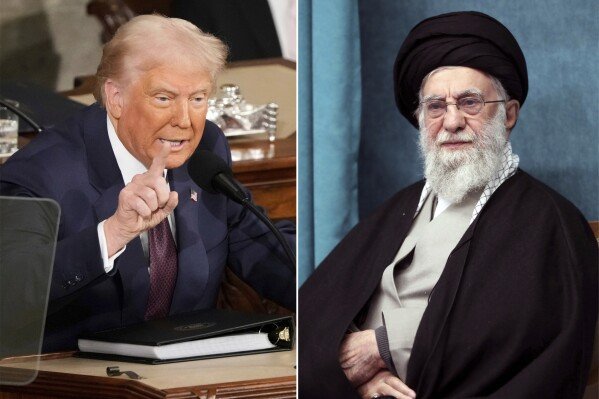
Iran on Brink of Chaos: Trump Prepares for ‘Surgical’ Air Strikes as Regime’s Brutal Crackdown on Protesters Continues
- Hundreds, if not thousands, of Iranian protesters have been killed by the country’s security forces, sparking a strong likelihood of US air strikes against Iran.
- Trump’s military option of choice is short, surgical operations that raise minimum danger for US forces, with the Basij militia and IRGC military bases likely targets.
- The Iranian regime’s brutal crackdown on protesters has been likened to a “tipping point” for the protesters, with the Basij militia using motorbikes, clubs, and machetes to disperse crowds.
- Trump’s language in recent days has been strong, promising protesters in Iran that “help is on the way,” but also giving himself room to back down.
The streets of Iran are running red with the blood of protesters, with hundreds, if not thousands, killed by the country’s security forces. The brutal crackdown has sparked a strong likelihood of US air strikes against Iran, with Trump’s military option of choice being short, surgical operations that raise minimum danger for US forces.
The Iranian regime’s response to the protests has been brutal, with the Basij militia using motorbikes, clubs, and machetes to disperse crowds. The Basij are volunteers who answer to the IRGC, and many workplaces have Basij members who are often unknown to their colleagues. They receive many benefits, including prized jobs or places in universities, but are required to do whatever is necessary to “protect the Islamic Revolution.”
The first embers of the Iranian protests started in a mobile phone market, spreading to every corner of the country as the Revolutionary Guard struggled to regain control. The IRGC will be calling in its debts, instructing the Basij to work their way through the crowds and disperse them. Many protesters will know the fear that 15 or 20 Basij arriving at a scene can instil, and the Basij can – and do – kill with impunity.
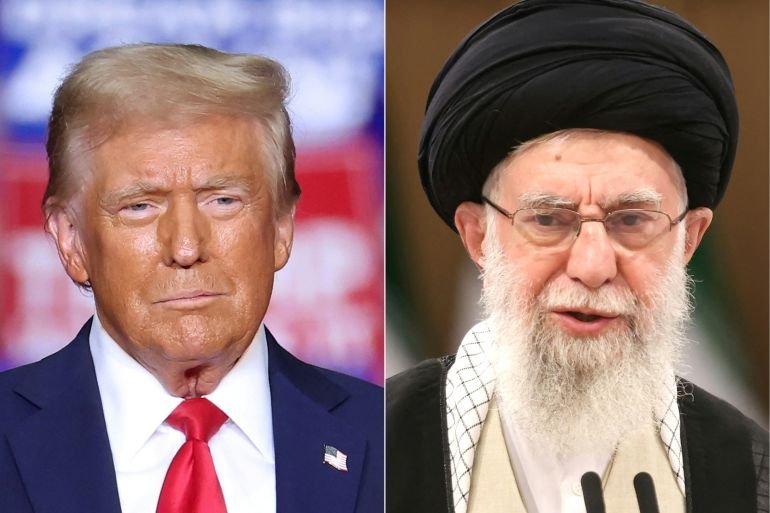
The reason air strikes are the most likely option for the US is because there is no US naval battle group near Iran, which means the US cannot use naval-based weapons. But it can quickly marshal significant air power from its various bases through the Middle East. The Saudis and Emiratis, among others in the region, are nervous about the US launching a new attack on Iran, fearing the response that Iran may engage in.
A major calculation of the Trump White House is that Iran is the weakest it has been for many years. Air strikes last year by Israel and later by the US have weakened the country, and Iran’s major proxy militia, Hezbollah, has been largely degraded by Israel. This means that Iran’s ability to respond is limited.


Trump has settled upon his military option of choice: short, surgical operations that raise minimum danger for US forces. He is eschewing the military strategies used by his predecessors, deciding not to deploy large numbers of US forces into foreign conflicts. Under the Trump military doctrine, the quagmires of Iraq, Afghanistan, and Vietnam are a thing of the past.
Analysis: What This Means for Australia
The potential US air strikes on Iran have significant implications for Australia’s national security. As a key ally of the US, Australia may be drawn into the conflict, either directly or indirectly. The Australian government will need to carefully consider its response to the crisis, taking into account the potential risks and consequences of any military action.
Security analysts say that the situation in Iran is a powder keg, and any military action by the US could spark a wider conflict in the region. This could have significant implications for Australia’s national security, particularly in terms of the potential for terrorist attacks or cyber threats.
Law enforcement insiders warn that the situation in Iran could also have implications for Australia’s domestic security, particularly in terms of the potential for Iranian-backed terrorism or cyber attacks. The Australian government will need to be vigilant in monitoring the situation and taking steps to protect the country’s national security.