Wild Weather Chaos Hits Australia: Flash Flooding, Cyclones, and Heatwaves Unleash Havoc Across the Country
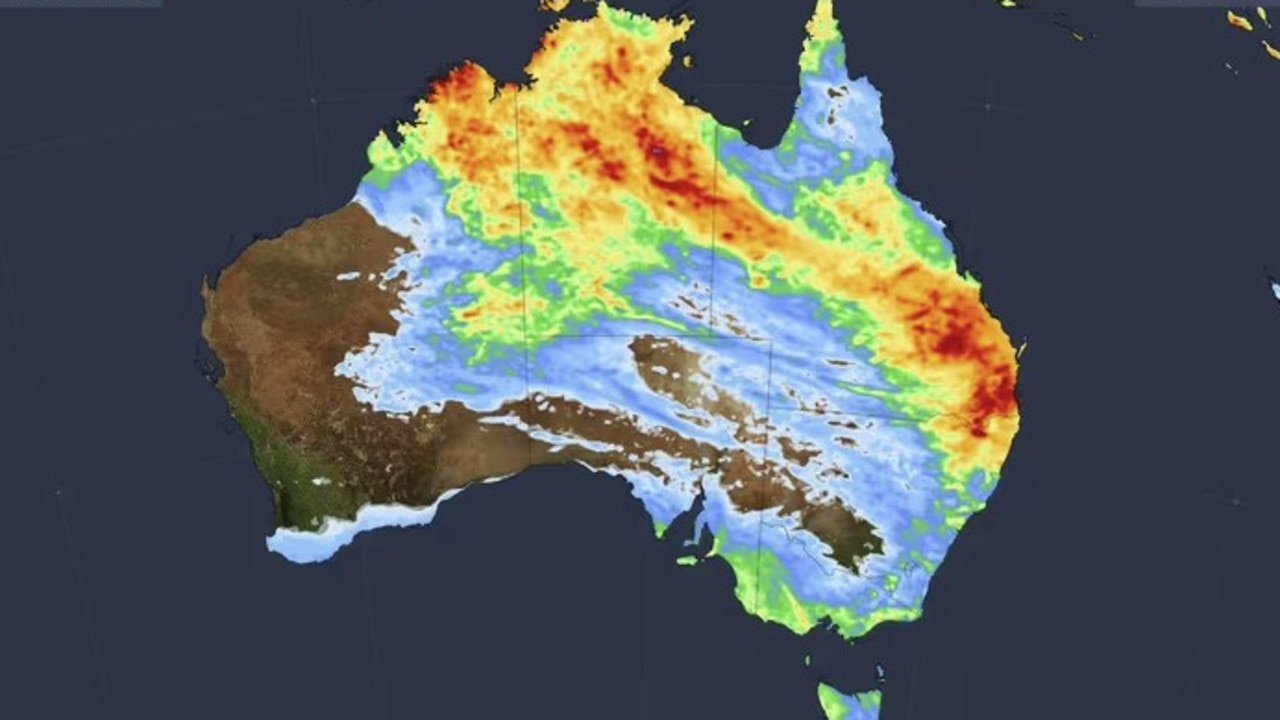
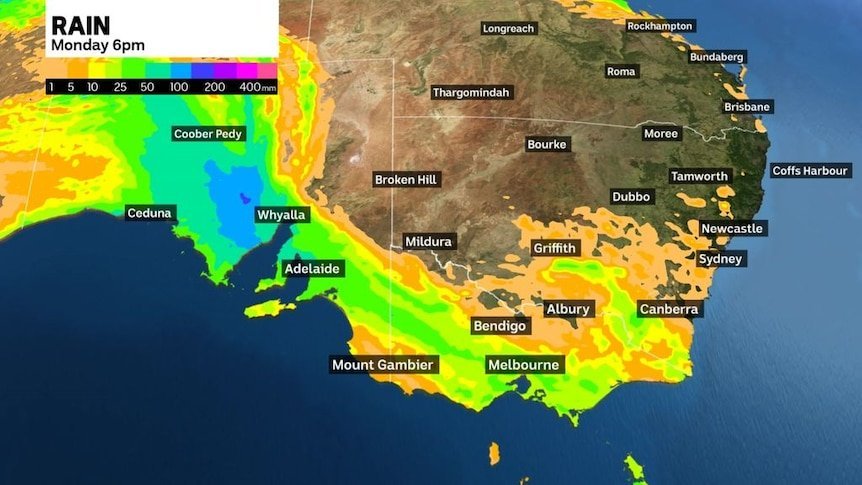
- Severe storms and heavy rainfall to lash the eastern seaboard, with up to 200mm expected in some areas
- Tropical cyclone warnings issued for northern Australia, with a 60% chance of cyclone development off the Kimberley coast
- Heatwave conditions to intensify in southern states, with temperatures set to soar above 40C in some areas
Australia is bracing for a wild week of weather, with severe storms, heavy rainfall, and heatwaves set to unleash havoc across the country. A prolonged rain and storm event is currently underway along the east coast, with forecasts predicting up to 200mm of rainfall in some areas, leading to flash flooding and disruptions.
The system, driven by a very moist air mass from the Tasman Sea interacting with a slow-moving trough of low pressure, has already produced torrential falls, with 186mm recorded at Mt Cowley near the Great Ocean Road, the site’s heaviest rain on record since opening in 2000. The heavy rain has also caused widespread flooding, with Merimbula on the NSW South Coast picking up 110mm in the 24 hours to 9am Friday, the town’s heaviest rain in five years.
But it’s not just the east coast that’s affected. In the country’s north, a tropical low is developing, with a 60% chance of intensifying into a cyclone off the Kimberley coast by Wednesday. The system is expected to bring heavy rain and strong winds, with a Flood Watch issued for 10 catchments between the Katherine River and Darwin, along with the Tiwi Islands.
In the meantime, a heatwave is gripping the interior and northern Western Australia, with temperatures consistently above 40C for a fortnight. The heatwave is expected to intensify in southern states later this week, with temperatures set to soar above 40C in some areas. Rabbit Flat in the Alice Springs districts of the Northern Territory has not recorded a day below 40C since New Year’s Day and is on track for its hottest January on record.
Analysis: What This Means for Australia


The severe weather events unfolding across the country have significant implications for national security, law enforcement, and community safety. The flash flooding and heavy rainfall expected on the east coast will put a strain on emergency services, with the potential for property damage and disruptions to daily life. Meanwhile, the tropical cyclone warnings in northern Australia pose a significant threat to coastal communities, with the potential for widespread destruction and displacement.
The heatwave conditions in southern states will also have a significant impact on public health, particularly for vulnerable populations such as the elderly and young children. The heatwave will also put a strain on the country’s energy grid, with the potential for power outages and blackouts.
Security analysts say that the severe weather events highlight the need for improved disaster preparedness and response measures, particularly in rural and regional areas. Law enforcement insiders warn that the severe weather conditions will also provide opportunities for criminal activity, such as looting and scamming.
Industry observers believe that the severe weather events will have significant economic implications, particularly for the agriculture and tourism industries. The heavy rainfall and flash flooding will damage crops and disrupt supply chains, while the heatwave conditions will impact on agricultural productivity.
As the severe weather events continue to unfold, it’s clear that Australia is in for a wild week of weather. With the potential for widespread disruptions and destruction, it’s essential that individuals and communities take necessary precautions to stay safe and informed.