Trump’s Tariff Tantrum: Australia’s Worrying Exposure to US-Greenland Standoff
- Australia’s trade relationships with the US and Europe hang in the balance as Trump imposes 10% tariffs on eight European nations opposing US control of Greenland.
- Experts warn of a “dangerous downward spiral” in transatlantic relations, with Australia’s economy potentially caught in the crossfire.
- As the US and Europe engage in a game of economic chicken, Australia’s national security and trade priorities are put to the test.
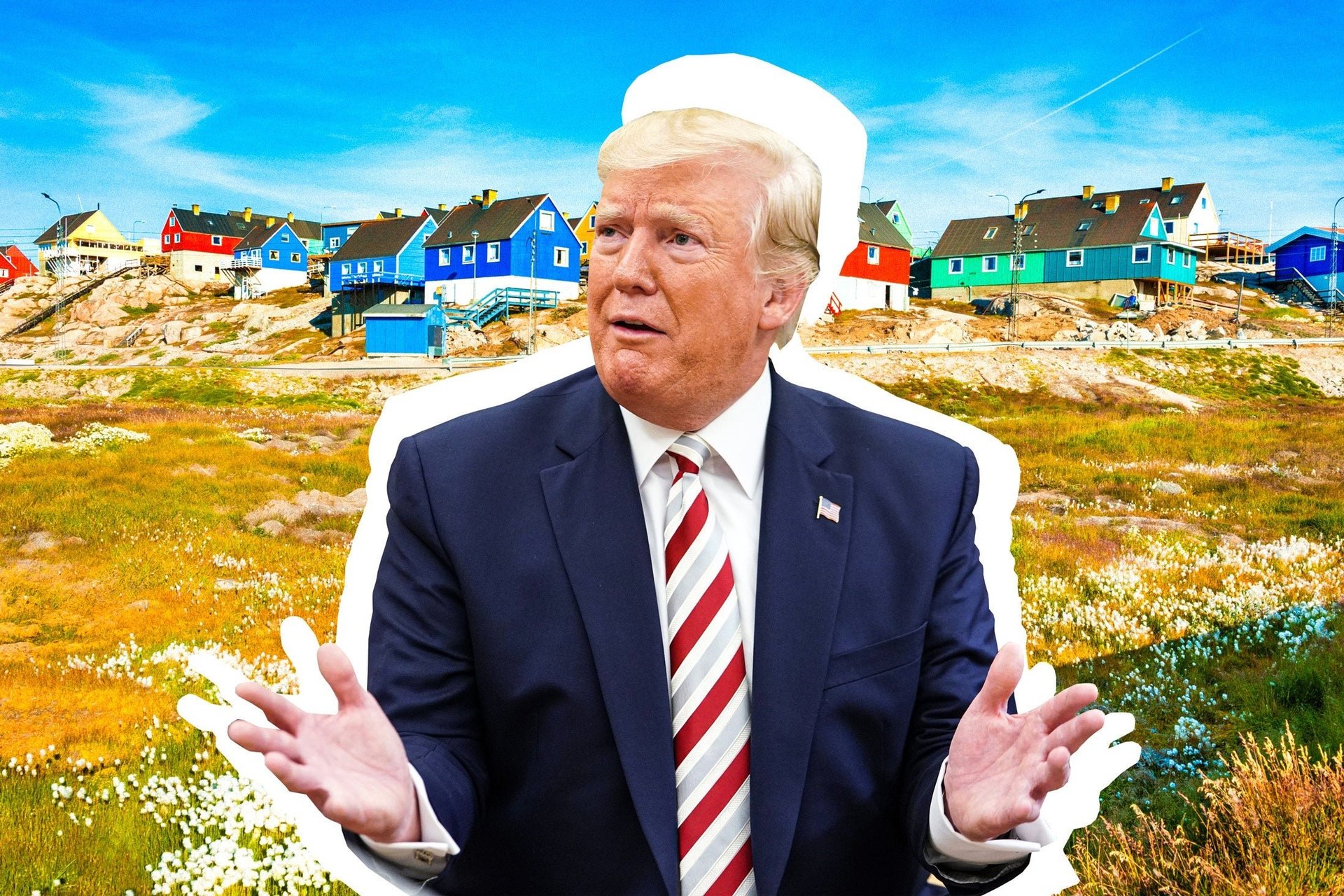
The US President’s latest move to strong-arm European nations into supporting his bid to buy Greenland has sent shockwaves through the global economy, with Australia’s trade relationships with the US and Europe hanging precariously in the balance. Trump’s 10% tariffs on eight European countries, set to increase to 25% in June, have sparked widespread condemnation and raised concerns about the stability of the global trade landscape.
The core of the issue lies in Trump’s insistence that Greenland, an autonomous territory of Denmark, is vital to US security due to its strategic location and vast mineral deposits. Despite Denmark’s firm stance that the island is not for sale, Trump has not ruled out using force to take control of the territory. This has led to a ratcheting up of tensions between the US and its European allies, with the EU warning of a “dangerous downward spiral” in transatlantic relations.
This unfolding crisis has significant implications for Australia, which has long maintained close trade relationships with both the US and Europe. As the two economic powerhouses engage in a game of economic chicken, Australia’s national security and trade priorities are put to the test. With the US accounting for around 15% of Australia’s total trade, and the EU a further 10%, the potential economic fallout from this standoff is substantial.
Security analysts say that Trump’s aggressive posturing on Greenland is part of a broader strategy to expand US territory and exert its influence over the Western Hemisphere. This has raised concerns about the potential for conflict in the Arctic region, where Australia has its own strategic interests. Law enforcement insiders warn that the increased militarization of the region could have serious implications for regional stability and Australia’s national security.
Analysis: What This Means for Australia



The Trump administration’s actions have sparked a chain reaction of diplomatic and economic fallout, with Australia caught in the middle. As the US and Europe struggle to find a resolution, Australia must navigate this complex web of alliances and interests to protect its own national security and trade priorities. Industry observers believe that Australia’s ability to maintain strong relationships with both the US and Europe will be crucial in mitigating the economic impact of this crisis.
Experts say that Australia’s response to this situation will be closely watched by its allies and adversaries alike. As the country seeks to balance its relationships with the US and Europe, it must also consider the broader implications of this crisis for regional stability and global governance. With the stakes higher than ever, Australia’s diplomatic and economic agility will be put to the test in the coming months.