
Australian Families Duped: Real Estate Agents Face Liability for Selling Defective Homes
- Two families left with ‘nightmare’ homes filled with defects, including holes in walls and ceilings, after purchasing from builder Khorshed Alam
- Alam fined $75,000 for operating without a licence and failing to obtain building indemnity insurance
- Real estate agents who sell homes with serious defects could be liable for misleading customers if they knew of the issues
- Consumer watchdog warns of penalties of up to $20,000 or one year in prison for making false or misleading representations
The dream of owning a new home turned into a nightmare for two Australian families who were sold defective properties by a builder with a history of disregard for the law.
Khorshed Alam, the builder, has been fined $75,000 for operating without a licence and failing to obtain building indemnity insurance for three properties in Adelaide’s northern suburbs.
But the real estate agents who sold the homes may also face liability for misleading customers if they knew about the defects.
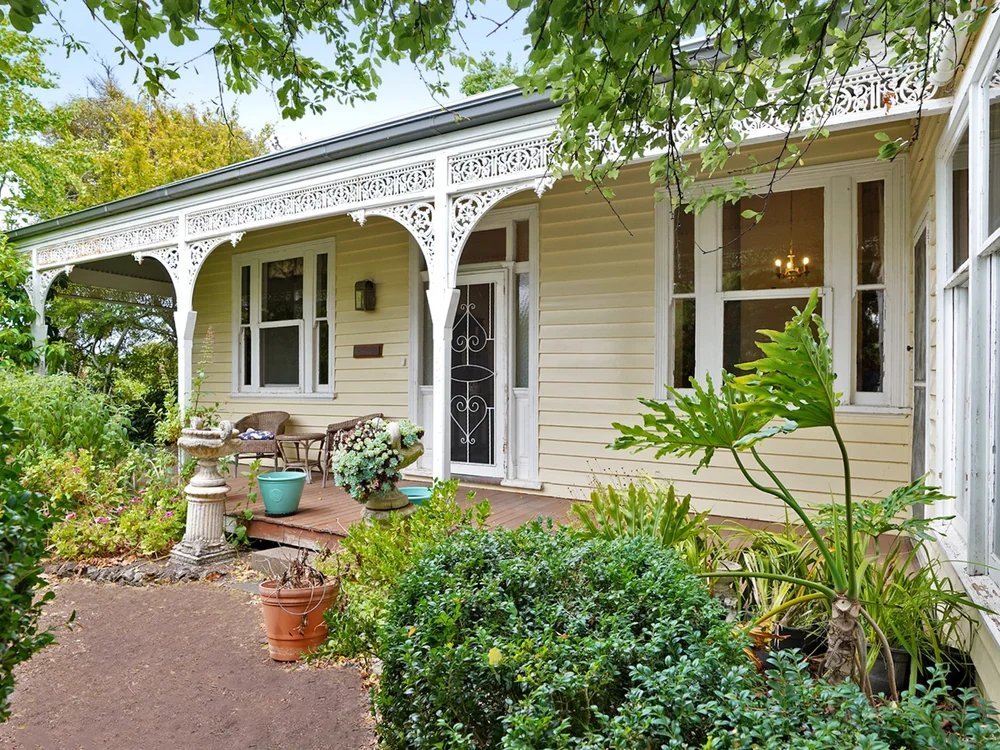
Rimple and Preet Sharma, who purchased one of the properties for over $800,000, were shocked to discover a litany of defects, including holes in the walls and ceiling plastering, a failure to weatherproof the house, and problems with plumbing and drainage.
A building report recommended that the house be demolished. The couple’s experience is a stark warning to homebuyers and highlights the need for greater accountability in the real estate industry.
The Sharma’s story raises serious questions about the role of real estate agents in the sale of defective properties.
Consumer and Business Services Commissioner Brett Humphrey warned that agents could be liable if they knew about issues relating to the property and failed to disclose them to potential buyers.
“If the real estate agent knew that the builder didn’t have the required authorisations to build the home or was saying he was an owner-builder, but looking at selling the houses, if the real estate had knowledge of that then yes there’d be things that could be looked at into their obligations as to licensed real estate agents,” Mr Humphrey said.
The real estate agency involved in the sale of the Sharma’s property claimed that the marketing materials reflected the property as presented at the time and that the photographs were not edited in a misleading manner.
However, the agency’s listing described the home as “masterfully constructed” and “where craftsmanship meets contemporary luxury”, which is at odds with the reality of the property’s condition.
Analysis: What This Means for Australia
The Sharma’s case highlights a broader issue in the Australian housing construction industry, where builders and real estate agents may be prioritizing profits over people.
The lack of transparency and accountability in the industry can have devastating consequences for homebuyers, who may be left with defective properties and significant financial losses.
The government must take action to strengthen regulations and ensure that builders and real estate agents are held accountable for their actions.
Security analysts say that the case highlights the need for greater scrutiny of the real estate industry and the need for more robust regulations to protect homebuyers.
“The real estate industry is a multi-billion-dollar industry, and it’s imperative that we have strong regulations in place to protect consumers,” said one analyst.
Law enforcement insiders warn that the case may be the tip of the iceberg, with many more homebuyers potentially affected by defective properties.
“We’re seeing a growing trend of builders and real estate agents prioritizing profits over people, and it’s only a matter of time before we see more cases like this,” said one insider.
Industry observers believe that the government must take action to address the issue, including increasing penalties for builders and real estate agents who engage in misleading or deceptive conduct.
“The government needs to take a strong stance on this issue and ensure that builders and real estate agents are held accountable for their actions,” said one observer.
As the Sharma’s case highlights, the consequences of buying a defective property can be devastating. Homebuyers must be vigilant and do their research before purchasing a property, including hiring independent building inspectors to identify potential defects.
The government and industry regulators must also do more to protect consumers and ensure that builders and real estate agents are held accountable for their actions.