
One Nation On the Brink of Power: How Pauline Hanson’s Party Could Soon Hold the Balance of Power in Victoria
- Pauline Hanson’s One Nation is on track to win a swathe of seats in the Victorian election, potentially leading to a hung parliament.
- The party’s surge in popularity has left Labor and Coalition MPs on high alert, with some fearing a One Nation-led coalition could form government.
- Victoria’s election is being closely watched by federal politicians, who see it as a test of One Nation’s national popularity and a potential indicator of future election outcomes.
- One Nation’s rise has also sparked concerns about the party’s potential impact on working-class voters and the two-party system.
In a shocking turn of events, Pauline Hanson’s One Nation is on the cusp of a major breakthrough in the Victorian election, with polling suggesting the party could win dozens of seats and potentially hold the balance of power in the state’s parliament.
The prospect of a One Nation-led coalition forming government has sent shockwaves through the Labor and Coalition parties, with some MPs warning that the party’s surge in popularity could have far-reaching consequences for Australian politics.
According to a recent Freshwater Strategy poll, One Nation is currently on 25% of the primary vote, just behind the Coalition on 27% and ahead of Labor on 23%.
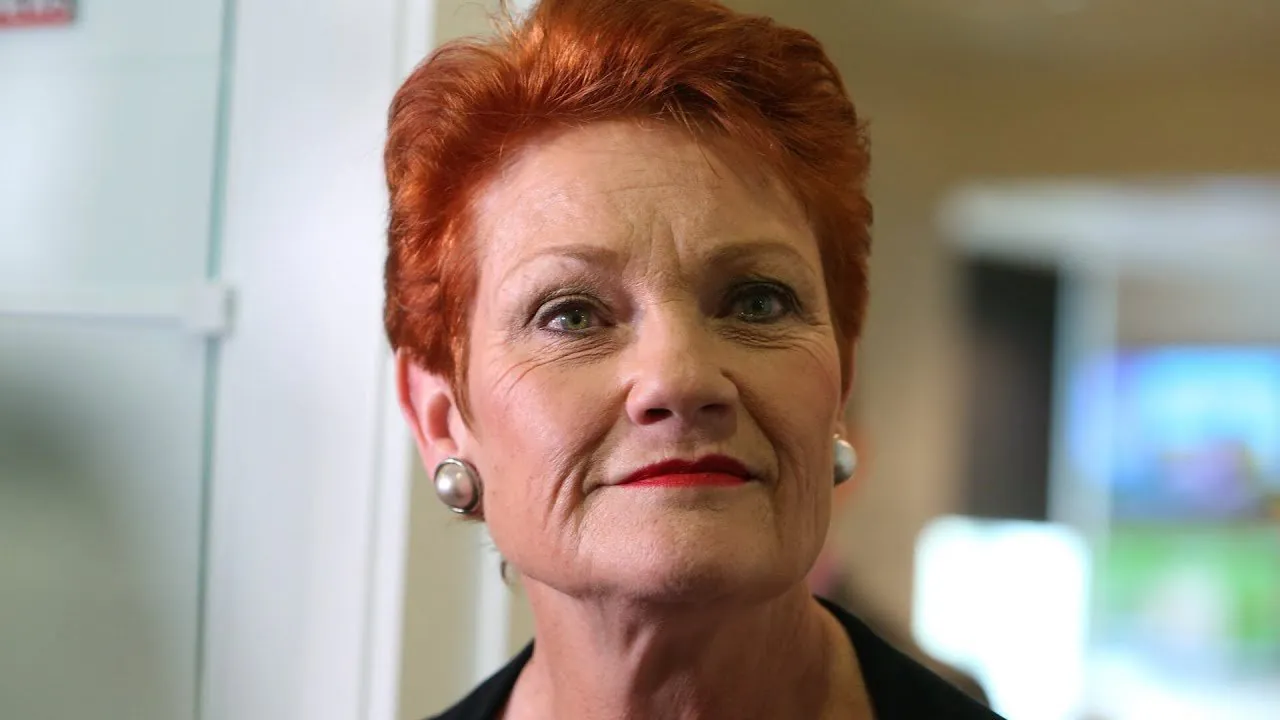
The party’s popularity has been on the rise for months, with leader Pauline Hanson crisscrossing the country attending events and rallies. One Nation’s national polling numbers have also continued to surge, with the party receiving millions of dollars in donations in recent weeks.
So, how did we get here? One Nation’s rise in Victoria can be attributed in part to the party’s ability to tap into voter dissatisfaction with the two-party system.
The party has successfully pitched itself as a voice for working-class Australians who feel disenfranchised by the major parties. One Nation’s popularity has also been fueled by its stance on issues like cost-of-living support, workers’ rights, and law and order.
Analysis: What This Means for Australia
One Nation’s potential breakthrough in Victoria has significant implications for Australian politics.
If the party does manage to win a swathe of seats and hold the balance of power, it could have a major impact on the state’s policy agenda.
One Nation has already indicated that it will push for tougher laws on crime and immigration, and may also seek to wind back some of the state’s progressive policies on issues like climate change and social justice.
Security analysts say that One Nation’s rise could also have implications for national security, particularly if the party is able to form a coalition government with the Coalition.
One Nation has been vocal in its support for tougher border security measures and has called for a more aggressive approach to counter-terrorism.
Law enforcement insiders warn that One Nation’s stance on crime could also have significant implications for policing in Victoria. The party has called for tougher penalties for offenders and has expressed support for the use of mandatory sentencing.
If implemented, these policies could lead to a significant increase in the state’s prison population and could also have unintended consequences for community safety.
Industry observers believe that One Nation’s rise could also have significant economic implications for Victoria. The party has called for a more protectionist approach to trade and has expressed support for policies that would benefit local businesses.
However, these policies could also have unintended consequences for the state’s economy, particularly if they lead to higher prices for consumers and reduced competition.
As the Victorian election approaches, all eyes will be on One Nation’s performance.
If the party is able to deliver on its promises and win a significant number of seats, it could have far-reaching consequences for Australian politics.
One thing is certain: the rise of One Nation is a wake-up call for the major parties, who will need to rethink their strategies and policies if they are to remain relevant in an increasingly fragmented political landscape.
Australian Electoral Commission