
World Cup Final Shrouded in Toxic Smoke: Trump Threatens Canada with Tariffs as Players Face Health Risks
- Wildfire smoke from Canada engulfs northern US, sparking health concerns ahead of World Cup final
- US President Donald Trump threatens Canada with tariffs over smoke, citing “filthy, polluted and unhealthy air”
- Spanish star Mikel Merino reveals players can smell and see smoke, but tries to focus on the game
- Experts warn of potential health risks, including respiratory and cardiovascular issues, for players and 80,000 expected fans
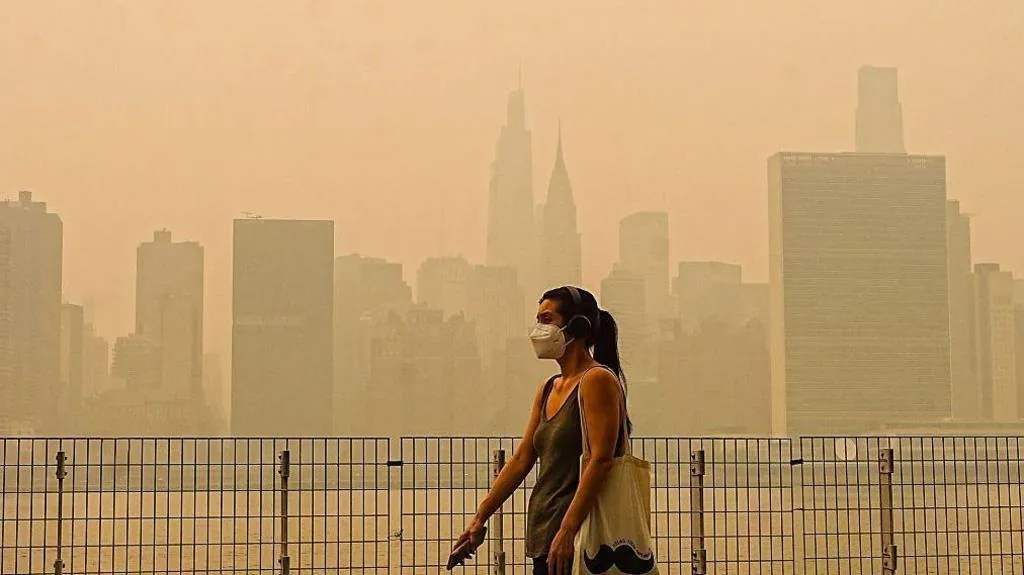
The World Cup final between Spain and Argentina is set to kick off on Monday morning AEST, but the beautiful game is being overshadowed by a toxic cloud of smoke from Canadian wildfires.
The haze has blanketed large parts of the northern United States, sparking health concerns for players and fans alike. Spanish midfielder Mikel Merino revealed that the team can smell and see the smoke, but is trying to focus on the game.
Despite the hazardous conditions, the Spanish team practised outside in East Hanover, New Jersey, on Thursday, alarming experts who thought the session should have taken place indoors.
The air quality improved slightly on Friday, but uncertainty lies in what will follow, with up to 3 centimeters of rain expected to fall on Saturday.
However, Mark Parrington, senior scientist at the Copernicus Atmosphere Monitoring Service, warned that another smoky air mass could follow the rain event, potentially affecting the final.
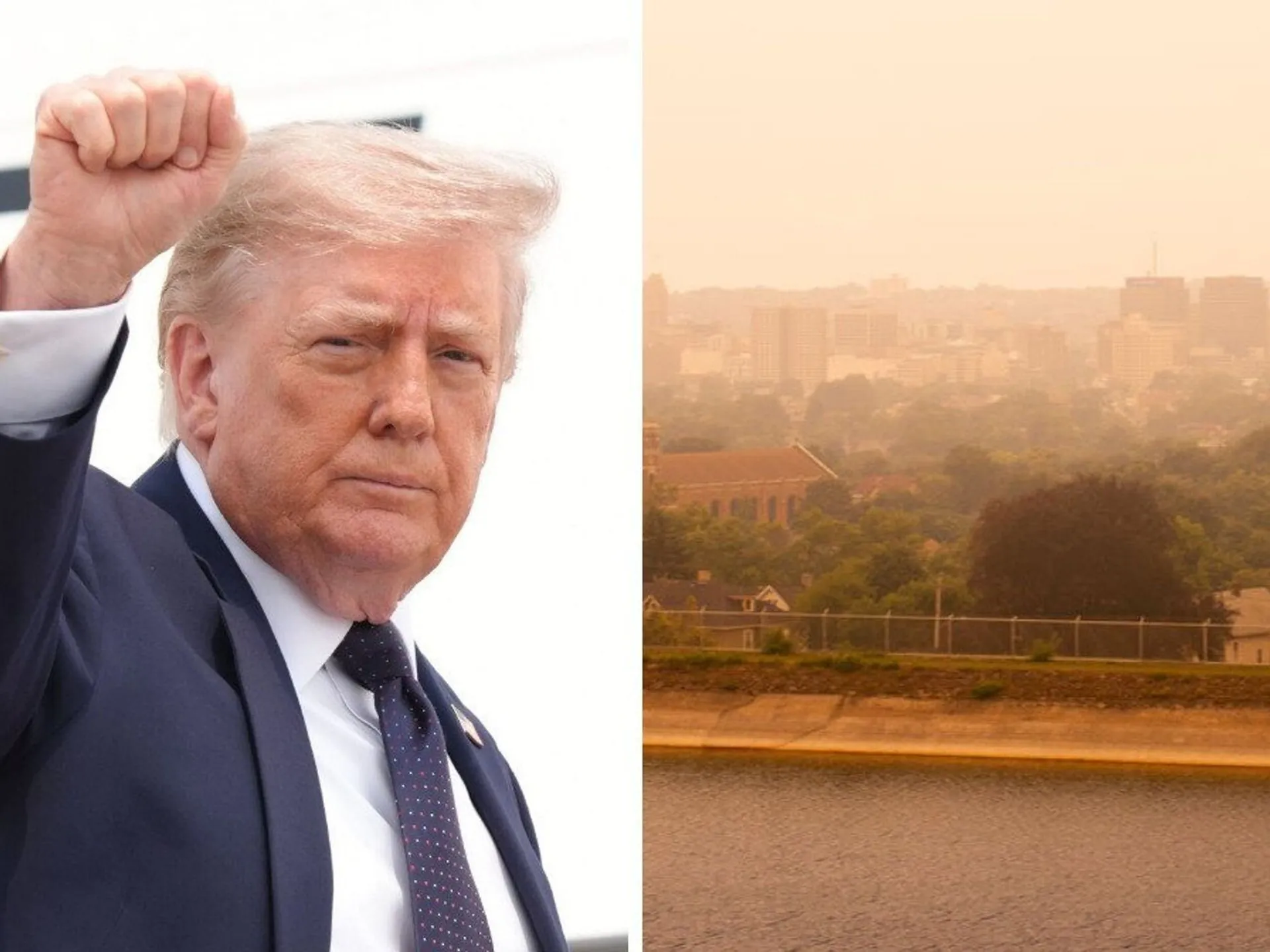
The situation has caught the attention of US President Donald Trump, who threatened Canada with tariffs over the smoke, citing “filthy, polluted and unhealthy air” that is “dangerous and totally unacceptable.” Trump’s comments came ahead of a meeting with FIFA President Gianni Infantino, with members of the administration discussing the matter with football’s governing body and monitoring the wildfire situation.
But what does this mean for Australia? The situation highlights the growing threat of climate change and its impact on global events.
As the world grapples with the consequences of rising temperatures and extreme weather events, Australia must consider its own vulnerability to such disasters. The country’s athletes and sports teams may face similar challenges in the future, and it’s essential that we develop strategies to mitigate the risks.
Analysis: What This Means for Australia
The World Cup final debacle serves as a wake-up call for Australia’s sports administrators and policymakers.
The country’s athletes and teams must be prepared to face the challenges posed by climate change, including poor air quality, extreme temperatures, and other weather-related hazards.
This requires investment in research and development, as well as the creation of contingency plans to ensure the safety of athletes and spectators.
Law enforcement and border control agencies must also be vigilant in addressing the potential consequences of climate change, including the impact on national security and public safety.
As the world becomes increasingly interconnected, Australia must be proactive in addressing the global implications of climate change.
Experts warn that the situation is a “dose-dependent effect,” meaning that even moderate air quality can have a significant impact on athletes’ performance.
Professor Chantal Darquenne of the University of California San Diego notes that smoke can trigger inflammation in different parts of the body, often attacking a person’s weakest points.
This raises concerns about the long-term health effects of exposure to poor air quality, particularly for athletes who engage in high-intensity activities.
As the world watches the World Cup final, Australia must take heed of the warning signs. The country must prioritize climate action, investing in renewable energy, reducing carbon emissions, and developing strategies to mitigate the impacts of extreme weather events.
Only then can we ensure the health and safety of our athletes, spectators, and communities.