Pauline Hanson’s Shocking Plan to Slash Tobacco Tax by 75%: Will It Fuel a Smuggling Boom or Crush the Black Market?
- One Nation’s proposal to cut tobacco tax by 75% and freeze indexation for three years has sparked a heated debate on how to tackle the booming black market.
- The tobacco commissioner warns that over half of all tobacco consumed in Australia comes from the black market, with a staggering $12 billion in taxes lost each year.
- Health Minister Mark Butler concedes the black market has “exploded” due to high taxation, fuelling crime and violence, including arson attacks on retailers.
- Experts warn that cutting tobacco taxes could have devastating consequences for public health, while others argue it’s the only way to crush the black market and restore lost revenue.
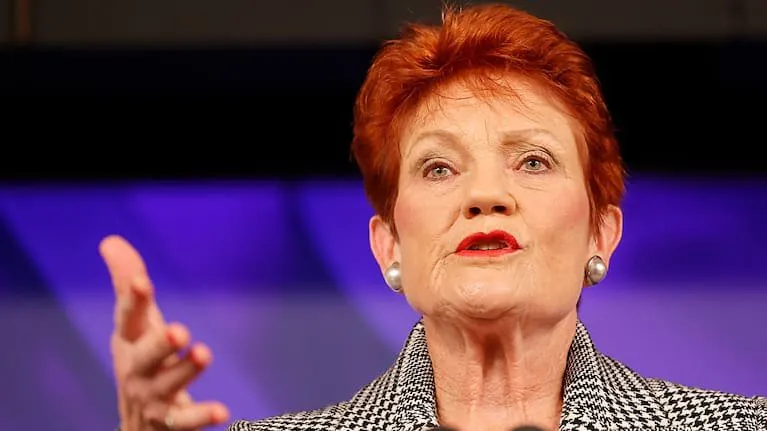
The debate over tobacco taxation has reached a boiling point, with One Nation leader Pauline Hanson proposing a drastic 75% cut in tobacco tax and a three-year freeze on indexation.
The move is aimed at crippling the booming black market, which has been fueled by high taxation and has led to a wave of crime and violence across the country.
But will this radical plan work, or will it only serve to fuel a smuggling boom and further undermine public health?
At the heart of the issue is the staggering scale of the black market tobacco trade.
According to the tobacco commissioner, over half of all tobacco consumed in Australia comes from the black market, generating an estimated $4 billion in profit for organised crime groups each year.

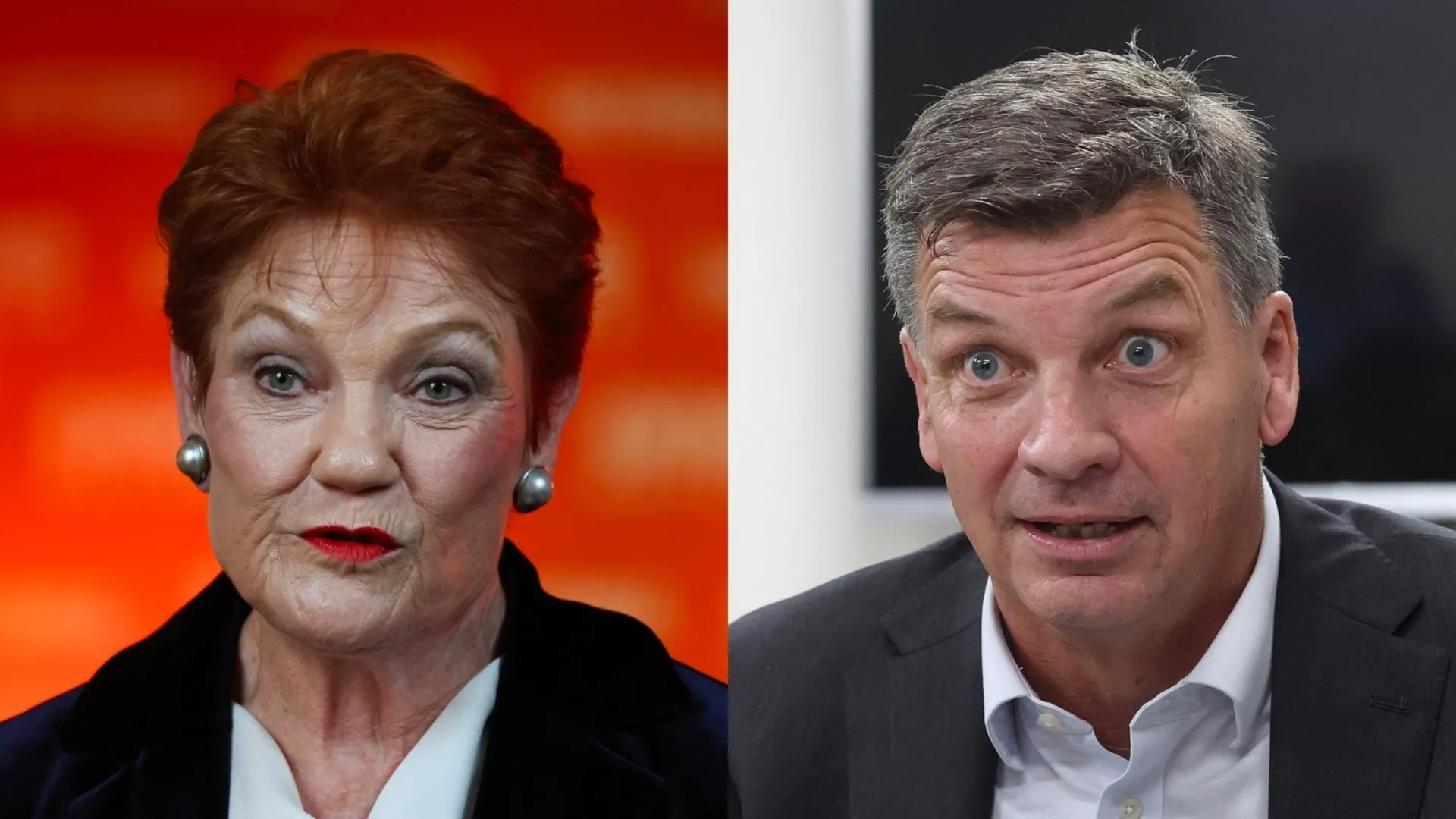


Meanwhile, tax revenue from tobacco has collapsed, with the commissioner estimating that between $7.7 billion and $11.8 billion in revenue has been lost in the past financial year alone.
This revenue loss is now greater than the cost of the Albanese government’s signature election commitment to triple incentives for doctors to bulk bill.
One Nation’s proposal is based on the idea that high taxation has driven the black market boom.
By slashing the tax on a packet of cigarettes by nearly $30, the party hopes to bring the price of legal cigarettes closer to that of illicit ones, making it less attractive for smokers to turn to the black market.
But critics argue that this approach is simplistic and misguided, pointing to countries like Vietnam, the Philippines, and Senegal, where tobacco is cheap but the black market persists.
Health Minister Mark Butler has conceded that the black market has “exploded” due to high taxation, fuelling crime and violence, including arson attacks on retailers by organised crime groups seeking to dominate the illicit trade.
But the government has resisted any cuts to the tax on tobacco, which has been successively lifted over the past 15 years and now makes up more than half the cost of a pack of cigarettes.
Analysis: What This Means for Australia
The tobacco tax debate has significant implications for Australia’s national security, law enforcement, and public health. The black market tobacco trade is a lucrative business for organised crime groups, which use the profits to fund other illicit activities.
By cutting tobacco taxes, the government risks fuelling a smuggling boom and further undermining public health. On the other hand, failing to address the black market could lead to continued revenue losses and a rise in crime and violence.
Security analysts say that the black market tobacco trade is a major concern for law enforcement agencies, which are struggling to keep up with the scale of the problem.
“The black market tobacco trade is a hydra-like beast that needs to be tackled on multiple fronts,” said one analyst. “Cutting tobacco taxes may be a necessary evil, but it’s not a silver bullet solution.
We need a comprehensive approach that includes increased enforcement, education, and community engagement.”
Law enforcement insiders warn that the black market tobacco trade is just the tip of the iceberg, with organised crime groups using the profits to fund other illicit activities, including human trafficking and cybercrime.
“The black market tobacco trade is a major concern for law enforcement agencies, but it’s just one part of a broader problem,” said one insider. “We need to take a holistic approach to tackling organised crime, rather than just focusing on one aspect of the problem.”
Industry observers believe that the tobacco tax debate highlights the need for a more nuanced approach to public health policy. “We need to move beyond simplistic solutions like taxation and focus on education, prevention, and community engagement,” said one observer.
“The black market tobacco trade is a symptom of a broader problem – a lack of access to affordable healthcare and a lack of education about the dangers of smoking.”
As the debate over tobacco taxation continues, one thing is clear: the black market tobacco trade is a major concern for Australia’s national security, law enforcement, and public health.
While cutting tobacco taxes may be a necessary evil, it’s not a silver bullet solution. We need a comprehensive approach that includes increased enforcement, education, and community engagement to tackle this complex problem.