Israel’s ‘Insulting’ Decision to Clear Troops Over Aussie Aid Worker’s Death Sparks Fury in Australia
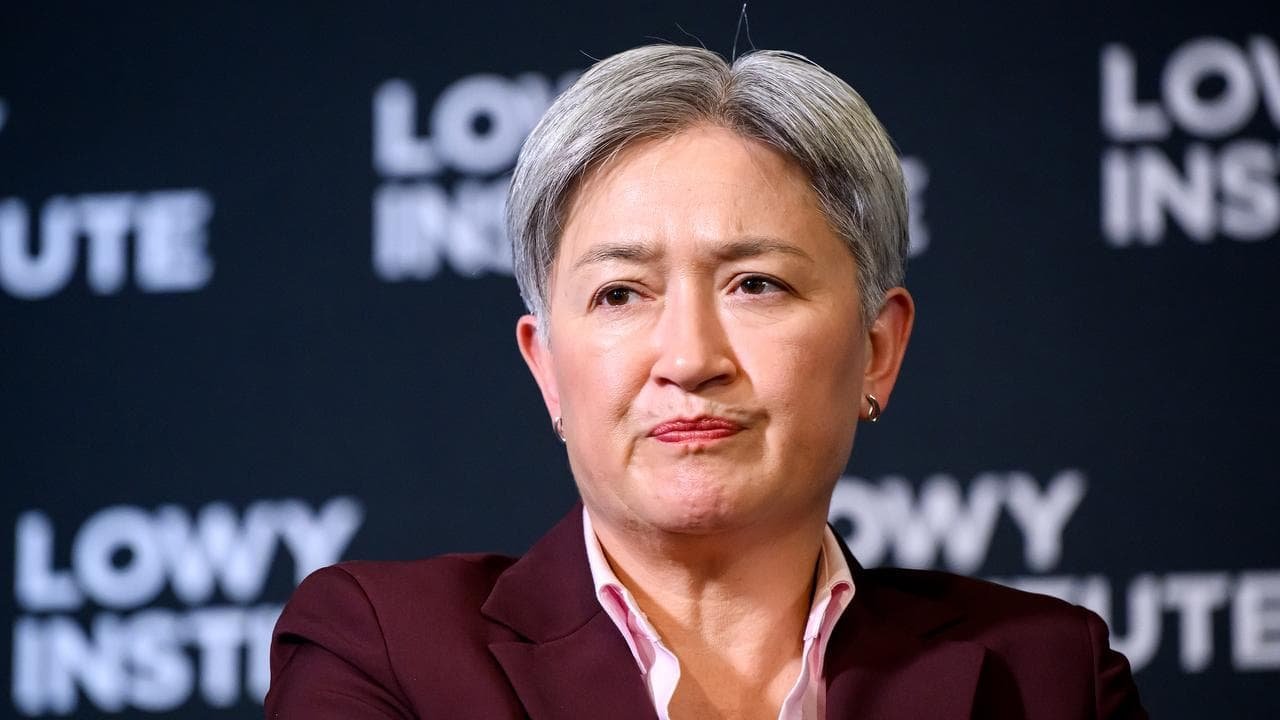
- Australia’s Foreign Minister Penny Wong slams Israel’s decision not to pursue criminal charges over the killing of Aussie aid worker Zomi Frankcom
- Frankcom was killed in an Israeli air strike on a marked aid convoy in Gaza, with two Israeli officers dismissed and three senior officers reprimanded
- The decision has sparked outrage in Australia, with the government demanding transparency and accountability from Israel
- The incident has raised concerns about the safety of humanitarian workers in conflict zones and the need for greater accountability from military forces
The Australian government has expressed outrage and disappointment over Israel’s decision not to pursue criminal charges against those responsible for the killing of Aussie aid worker Zomi Frankcom.
Frankcom was killed in an Israeli air strike on a marked aid convoy in Gaza in April 2024, and the incident has sparked widespread condemnation and calls for greater accountability from military forces.
The Israeli military initially claimed that the convoy was being used by Hamas, but later acknowledged that this was a mistake and that the convoy was clearly marked as a humanitarian aid convoy.
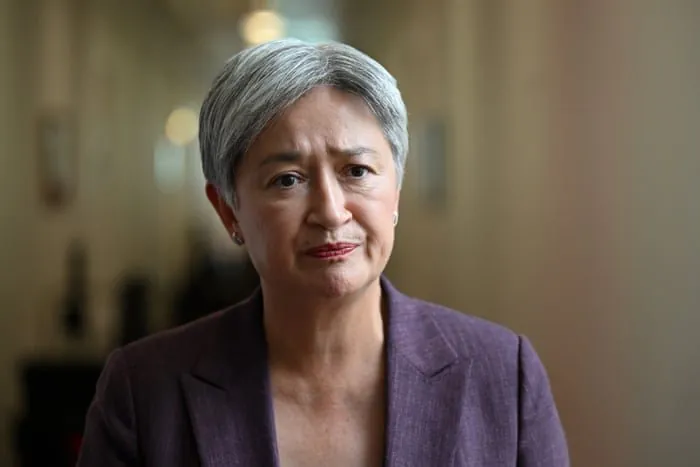
Despite this, the military has decided not to pursue criminal charges against those responsible, citing a lack of “reasonable suspicion of criminal misconduct”. This decision has been met with fury in Australia, with Foreign Minister Penny Wong saying that it “falls far short of the accountability we expect”.
Wong also expressed her condolences to Frankcom’s family, saying that “Zomi represented the best of Australia. Her courage deserves to be celebrated.




Her family deserves justice.”
The incident has also raised concerns about the safety of humanitarian workers in conflict zones and the need for greater accountability from military forces.
The Australian government has requested audio of the drone strike footage on behalf of Frankcom’s family, and Prime Minister Anthony Albanese has raised the issue with Israeli President Isaac Herzog.
In response to the incident, Australia has spearheaded a declaration to protect humanitarian personnel, which was launched on the sidelines of the UN General Assembly in New York.
The declaration aims to promote greater respect for humanitarian law and to ensure that those responsible for attacks on humanitarian workers are held accountable. The killing of Frankcom is not an isolated incident, with several other cases of Israeli troops opening fire on humanitarian workers and civilians in Gaza.
In February 2024, five-year-old Hind Rajab was killed alongside her relatives while trying to flee Gaza City amid an Israeli offensive. In May 2025, 15 Palestinian paramedics were killed when Israeli troops opened fire on their vehicles in the southern city of Rafah.
In both cases, the Israeli military initially claimed that the victims were posing a threat, but later backtracked from these claims after footage emerged showing that the victims were clearly marked as humanitarian workers.
The incidents have sparked widespread condemnation and calls for greater accountability from military forces.
Analysis: What This Means for AustraliaThe decision by Israel not to pursue criminal charges against those responsible for Frankcom’s death has significant implications for Australia.
It raises concerns about the safety of Australian humanitarian workers in conflict zones and the need for greater accountability from military forces. It also highlights the need for Australia to take a stronger stance in promoting humanitarian law and protecting humanitarian workers.
The declaration launched by Australia at the UN General Assembly is an important step in this direction, but more needs to be done to ensure that those responsible for attacks on humanitarian workers are held accountable.
Security analysts say that the incident also highlights the need for greater transparency and accountability in military operations.
“The use of drones and other military technology can be a game-changer in conflict zones, but it also raises significant risks for civilians and humanitarian workers,” said one analyst.
“There needs to be greater transparency and accountability in military operations to ensure that these risks are mitigated.”
Law enforcement insiders warn that the incident also has implications for Australia’s relationship with Israel.
“The decision by Israel not to pursue criminal charges against those responsible for Frankcom’s death is a slap in the face for Australia,” said one insider.
“It raises questions about Israel’s commitment to human rights and the rule of law, and it will likely damage Australia’s relationship with Israel in the long term.”
The Australian government has expressed outrage and disappointment over Israel’s decision not to pursue criminal charges against those responsible for the killing of Aussie aid worker Zomi Frankcom. Frankcom was killed in an Israeli air strike on a marked aid convoy in Gaza in April 2024, and the incident has sparked widespread condemnation and calls for greater accountability from military forces.
The Israeli military initially claimed that the convoy was being used by Hamas, but later acknowledged that this was a mistake and that the convoy was clearly marked as a humanitarian aid convoy. Despite this, the military has decided not to pursue criminal charges against those responsible, citing a lack of “reasonable suspicion of criminal misconduct”.
This decision has been met with fury in Australia, with Foreign Minister Penny Wong saying that it “falls far short of the accountability we expect”. Wong also expressed her condolences to Frankcom’s family, saying that “Zomi represented the best of Australia. Her courage deserves to be celebrated. Her family deserves justice.”
The incident has also raised concerns about the safety of humanitarian workers in conflict zones and the need for greater accountability from military forces. The Australian government has requested audio of the drone strike footage on behalf of Frankcom’s family, and Prime Minister Anthony Albanese has raised the issue with Israeli President Isaac Herzog.
In response to the incident, Australia has spearheaded a declaration to protect humanitarian personnel, which was launched on the sidelines of the UN General Assembly in New York. The declaration aims to promote greater respect for humanitarian law and to ensure that those responsible for attacks on humanitarian workers are held accountable.
The killing of Frankcom is not an isolated incident, with several other cases of Israeli troops opening fire on humanitarian workers and civilians in Gaza. In February 2024, five-year-old Hind Rajab was killed alongside her relatives while trying to flee Gaza City amid an Israeli offensive. In May 2025, 15 Palestinian paramedics were killed when Israeli troops opened fire on their vehicles in the southern city of Rafah.
In both cases, the Israeli military initially claimed that the victims were posing a threat, but later backtracked from these claims after footage emerged showing that the victims were clearly marked as humanitarian workers. The incidents have sparked widespread condemnation and calls for greater accountability from military forces.
The decision by Israel not to pursue criminal charges against those responsible for Frankcom’s death has significant implications for Australia. It raises concerns about the safety of Australian humanitarian workers in conflict zones and the need for greater accountability from military forces.
It also highlights the need for Australia to take a stronger stance in promoting humanitarian law and protecting humanitarian workers. The declaration launched by Australia at the UN General Assembly is an important step in this direction, but more needs to be done to ensure that those responsible for attacks on humanitarian workers are held accountable.
Security analysts say that the incident also highlights the need for greater transparency and accountability in military operations. “The use of drones and other military technology can be a game-changer in conflict zones, but it also raises significant risks for civilians and humanitarian workers,” said one analyst. “There needs to be greater transparency and accountability in military operations to ensure that these risks are mitigated.”
Law enforcement insiders warn that the incident also has implications for Australia’s relationship with Israel. “The decision by Israel not to pursue criminal charges against those responsible for Frankcom’s death is a slap in the face for Australia,” said one insider. “It raises questions about Israel’s commitment to human rights and the rule of law, and it will likely damage Australia’s relationship with Israel in the long term.”