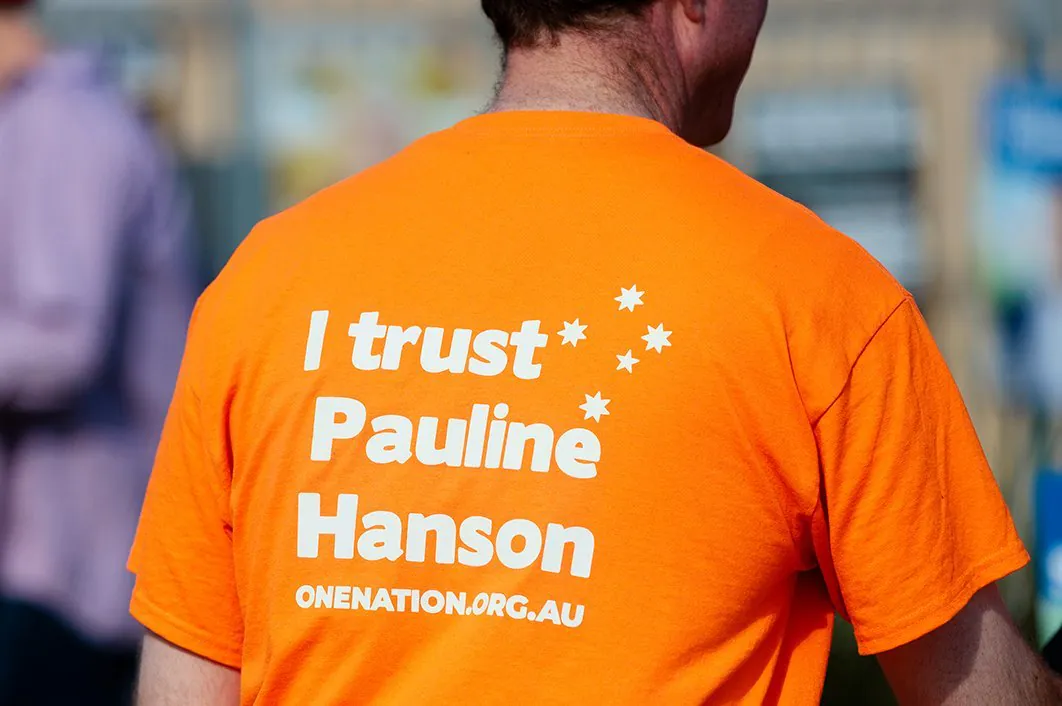
Australia Teeters On The Brink Of Global Isolation As One Nation Surges In Polls, Warns Former Deputy Prime Minister Kim Beazley
- Australia’s former Ambassador to the US, Kim Beazley, has issued a stark warning that the country risks becoming a pariah on the world stage if One Nation is elected to government.
- The 77-year-old veteran politician has spoken out against the party’s divisive rhetoric, which he believes has “routinely insulted” two billion people in the region, posing a significant threat to Australia’s international relationships.
- Beazley’s comments come as One Nation experiences a stunning rise in the polls, with some predicting the party could play a role in the next government, sparking fears of a “total disaster” for the nation’s global reputation.
- The former defence minister has also defended Australia’s commitment to the AUKUS partnership with the UK and US, which he believes is “major league security worth trying to get,” despite criticism from former prime ministers Paul Keating and Malcolm Turnbull.
Australia is at a critical juncture in its history, with the rise of One Nation posing a significant threat to the country’s global standing.
According to former deputy prime minister Kim Beazley, the party’s divisive rhetoric has the potential to isolate Australia from the rest of the world, making it a pariah on the international stage.
Beazley’s warnings are not to be taken lightly, given his extensive experience in politics and his role as Australia’s former Ambassador to the US.

The numbers are stark, with One Nation’s recent surge in the polls suggesting that the party could play a significant role in the next government.
If this were to happen, Beazley believes it would be a “total disaster” for Australia, damaging the country’s relationships with its neighbours and undermining its position in the region.



The 77-year-old veteran politician is not alone in his concerns, with many others warning that One Nation’s extreme views could have far-reaching consequences for Australia’s economy, security, and social cohesion.
To understand the significance of Beazley’s warnings, it is essential to examine the context in which One Nation is rising.
The party’s divisive rhetoric, which has been characterised by its aggressive stance on immigration and its criticism of Australia’s multicultural society, has been widely condemned by many in the political establishment.
However, despite this, the party continues to attract support from many Australians who feel disenfranchised and disillusioned with the political system. This phenomenon is not unique to Australia, with many countries around the world experiencing a similar rise in populist and nationalist sentiment.
Beazley’s comments on One Nation are not the only significant aspect of his recent interview.
The former defence minister has also defended Australia’s commitment to the AUKUS partnership with the UK and US, which has been the subject of intense criticism from some quarters.
Beazley believes that the partnership is “major league security worth trying to get,” and that it will provide Australia with a significant boost to its defence capabilities.
However, not everyone is convinced, with former prime ministers Paul Keating and Malcolm Turnbull criticising the deal as a “terrible” one that undermines Australia’s sovereignty.
Analysis: What This Means for Australia is a critical question that needs to be addressed.
The rise of One Nation and the controversy surrounding the AUKUS partnership are just two examples of the significant challenges facing Australia today.
As the country navigates an increasingly complex and uncertain world, it is essential that its leaders are able to make informed decisions that prioritise the nation’s interests and security.
This requires a deep understanding of the global context in which Australia operates, as well as a willingness to engage with other countries and international organisations to address common challenges and threats.
Security analysts say that the rise of One Nation poses a significant threat to Australia’s national security, as it has the potential to undermine the country’s relationships with its neighbours and create divisions within the community.
Law enforcement insiders warn that the party’s extreme views could also lead to an increase in hate crimes and social unrest, as well as a rise in extremist activity.
Industry observers believe that the controversy surrounding the AUKUS partnership could also have significant economic consequences for Australia, particularly if the deal is seen as undermining the country’s sovereignty and independence.
As Australia looks to the future, it is essential that its leaders are able to navigate the complex and often conflicting demands of national security, economic growth, and social cohesion.
This requires a deep understanding of the global context in which the country operates, as well as a willingness to engage with other countries and international organisations to address common challenges and threats.
By doing so, Australia can ensure that it remains a secure, prosperous, and cohesive society, able to thrive in an increasingly uncertain and rapidly changing world.
The country’s commitment to multiculturalism and diversity will be critical in this regard, as will its ability to balance its relationships with other countries, including China and the United States.
In conclusion, the rise of One Nation and the controversy surrounding the AUKUS partnership are just two examples of the significant challenges facing Australia today.
As the country navigates an increasingly complex and uncertain world, it is essential that its leaders are able to make informed decisions that prioritise the nation’s interests and security.
By doing so, Australia can ensure that it remains a secure, prosperous, and cohesive society, able to thrive in an increasingly uncertain and rapidly changing world.
The country’s future depends on it, and it is up to its leaders to rise to the challenge and provide the vision and leadership that Australia needs to succeed.