
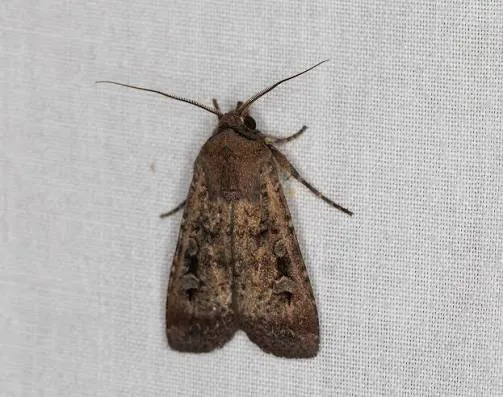
Australian Homes Under Siege: Hundreds Of Thousands Of Giant Moths Swarm East Coast, Bringing Both Wonder And Worry To Residents
- Massive swarms of bogong moths have descended upon homes across Australia’s east coast, leaving a trail of fascination and frustration in their wake
- The sudden appearance of these giant moths has been linked to a potential bungled migration, with strong northwesterly winds displacing them from their usual route
- Despite being classified as endangered, the sheer number of moths involved in the migration could be a promising sign for population numbers, according to experts
- As residents struggle to cope with the swarming moths, concerns are being raised about the impact of climate change on these delicate creatures and their habitats
The east coast of Australia has been inundated with a staggering number of bogong moths, with hundreds of thousands of the giant insects swarming homes and causing a mix of amazement and annoyance among residents.
Social media platforms have been flooded with videos and photos of the moths, showcasing their impressive numbers and unusual behavior.
The moths have been spotted in various locations, from Melbourne to Sydney, and have been particularly drawn to artificial light sources, which they use to navigate during their migration.
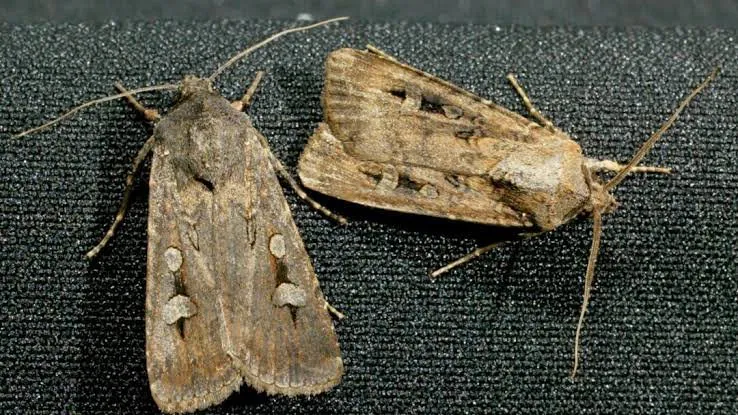
According to Linnea Emneby, project manager of Bogong Watch, the phenomenon could be attributed to a bungled migration, with strong northwesterly winds displacing the moths from their usual route.
However, the large number of moths involved in the migration could be a positive sign for population numbers, which have been a concern in recent years due to the devastating effects of the 2017 drought.




Emneby noted that the numbers are “like nothing we’ve seen these last five years or more,” suggesting a potential resurgence in the species.
To understand the significance of this event, it’s essential to delve into the context of the bogong moths’ migration and the challenges they face. The moths are known to migrate from the inland towards the alps, a journey that is fraught with danger and uncertainty.
Climate change has been identified as a major threat to the species, as rising temperatures are making their summer habitats uninhabitable. The rock shelters where they spend their summers are becoming too warm, forcing the moths to adapt to new environments.
Furthermore, human development has also played a role in disrupting the moths’ migratory pathway, as homes and buildings have been constructed in areas that were previously uninhabited.
Analysis: What This Means for Australia
The swarming of bogong moths on the east coast has significant implications for Australia, particularly in terms of national security, law enforcement, and community impact. The sudden appearance of these giant moths has the potential to disrupt daily life, causing concern among residents and potentially leading to economic losses.
Moreover, the endangered status of the species highlights the need for urgent action to address the impact of climate change on Australia’s unique biodiversity.
As the country continues to grapple with the challenges of climate change, it’s crucial to consider the far-reaching consequences of rising temperatures on delicate ecosystems and the species that inhabit them.
Security analysts say that the swarming of bogong moths is a timely reminder of the importance of environmental conservation and the need for sustainable practices. Law enforcement insiders warn that the disruption caused by the moths could have unintended consequences, such as increased risk of accidents or property damage.
Industry observers believe that the event highlights the need for greater awareness and education about the impact of human activities on the environment and the species that inhabit it.
As Emneby noted, the moths are attracted to artificial light because they use the night sky, particularly the moon and stars, to navigate while migrating. This underscores the importance of responsible lighting practices and the need for communities to take action to reduce their environmental footprint.
As residents continue to deal with the swarming moths, it’s essential to consider the long-term implications of this event. The bogong moths’ migration is a complex phenomenon that is influenced by a variety of factors, including climate change, human development, and environmental degradation.
To mitigate the impact of these factors, it’s crucial to adopt a multi-faceted approach that involves government agencies, conservation organizations, and local communities. This could include initiatives such as environmental conservation efforts, sustainable practices, and community education programs.
By working together, Australia can reduce the risks associated with climate change and protect its unique biodiversity for future generations.
In conclusion, the swarming of bogong moths on the east coast of Australia is a significant event that highlights the importance of environmental conservation and the need for sustainable practices.
As the country continues to grapple with the challenges of climate change, it’s essential to consider the far-reaching consequences of rising temperatures on delicate ecosystems and the species that inhabit them.
By adopting a proactive approach and working together, Australia can mitigate the impact of climate change and protect its unique biodiversity for future generations. For more information on this topic, visit Australian Bureau of Statistics or Australian Government Department of the Environment and Energy.