Shocking Case Of One-Year-Old Baby Euthanized In Netherlands Sparks Debate Over Assisted Dying Laws For Children
- A one-year-old baby has become the first child to be euthanized in the Netherlands under a controversial new law allowing assisted dying for minors
- The child, who was born prematurely with severe brain damage and cerebral palsy, was diagnosed with a rare and severe form of epilepsy that led to a range of debilitating symptoms
- The case has raised questions about the ethics of euthanasia for children and the implications of the Netherlands’ assisted dying laws, which have been criticized by some as being too broad
- The Dutch government has defended the laws, saying that euthanasia is only allowed for patients whose suffering is unbearable and has no prospect of improvement, but critics argue that this can be difficult to determine in the case of young children
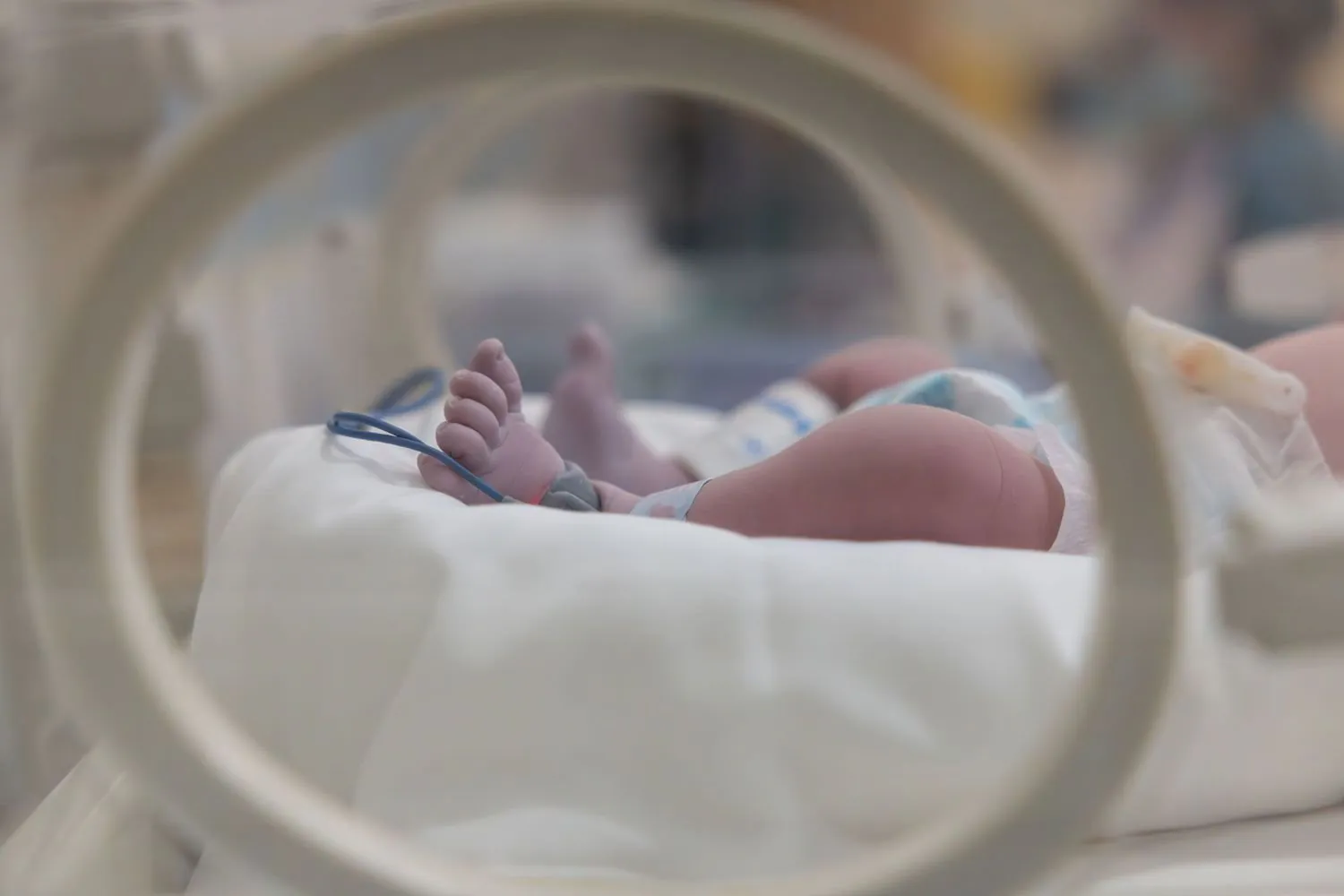
The euthanasia of a one-year-old baby in the Netherlands has sparked a heated debate over the country’s assisted dying laws, which allow children as young as one to be euthanized in certain circumstances.
The child, who was born prematurely at 26 weeks, had been diagnosed with severe brain damage, cerebral palsy, and a rare and severe form of epilepsy that led to a range of debilitating symptoms, including seizures, a severe sleeping disorder, and a swallowing disorder.
According to a report published by the Assessment Committee for Late Termination of Pregnancy and Termination of Life in Newborns and Children Aged 1 to 12 Years, the child’s condition was deemed to be incurable, and doctors concluded that there was a “realistic expectation” that the child’s situation would deteriorate further.

The report found that the physician acted lawfully throughout the process, fully informing the child’s parents about the process, obtaining their consent, and consulting with at least one independent doctor.
The Dutch government legalized euthanasia for severely ill children between the ages of 1 and 12 in 2024, with the aim of providing relief to children who are suffering from incurable and unbearable conditions.


However, the law has been criticized by some as being too broad, and there are concerns that it could be used to euthanize children who are not terminally ill.
The government has defended the law, saying that euthanasia is only allowed for patients whose suffering is unbearable and has no prospect of improvement, and that doctors must follow a strict checklist before deciding whether to end a patient’s life.
The case of the one-year-old baby has raised questions about the ethics of euthanasia for children, and the implications of the Netherlands’ assisted dying laws.
While some argue that the law provides a necessary option for families who are caring for a child with a terminal illness, others argue that it is too broad and could be used to euthanize children who are not terminally ill.
The issue is complex and multifaceted, and it is likely to continue to be the subject of debate in the coming months and years.
The Netherlands is not the only country to allow assisted dying for children. Belgium has allowed it since 2014, and Canada legalized the practice in 2016.
However, the Dutch law is considered to be one of the most liberal in the world, and it has been criticized by some as being too permissive.
The law has also been praised by others, who argue that it provides a necessary option for families who are caring for a child with a terminal illness.
Security analysts say that the case of the one-year-old baby highlights the need for careful consideration and regulation of assisted dying laws. “The euthanasia of a child is a complex and sensitive issue, and it requires careful consideration of the ethical and moral implications,” said one analyst.
“The Dutch government’s decision to allow euthanasia for children as young as one is a significant development, and it will be important to monitor the implementation of the law to ensure that it is being used responsibly and with the necessary safeguards in place.”
Analysis: What This Means for Australia
The case of the one-year-old baby in the Netherlands has significant implications for Australia, where the debate over assisted dying laws is ongoing.
The Australian government has been considering the issue of assisted dying, and there have been several attempts to introduce legislation to allow it in certain circumstances.
However, the issue is complex and multifaceted, and it is likely to continue to be the subject of debate in the coming months and years.
Law enforcement insiders warn that the lack of regulation and oversight of assisted dying laws in some countries could have significant consequences for Australia. “The euthanasia of a child is a serious issue, and it requires careful consideration of the ethical and moral implications,” said one insider.
“The Australian government needs to carefully consider the implications of assisted dying laws, and ensure that any legislation that is introduced is carefully regulated and overseen to prevent abuse and ensure that the rights of vulnerable individuals are protected.”
Industry observers believe that the case of the one-year-old baby in the Netherlands highlights the need for a nuanced and balanced approach to assisted dying laws.
“The issue of assisted dying is complex and multifaceted, and it requires careful consideration of the ethical and moral implications,” said one observer.
“The Australian government needs to take a careful and considered approach to the issue, and ensure that any legislation that is introduced is carefully regulated and overseen to prevent abuse and ensure that the rights of vulnerable individuals are protected.”
The Dutch government’s decision to allow euthanasia for children as young as one has significant implications for Australia, where the debate over assisted dying laws is ongoing.
The Australian government needs to carefully consider the implications of assisted dying laws, and ensure that any legislation that is introduced is carefully regulated and overseen to prevent abuse and ensure that the rights of vulnerable individuals are protected.
The case of the one-year-old baby in the Netherlands is a stark reminder of the need for careful consideration and regulation of assisted dying laws, and the importance of protecting the rights of vulnerable individuals.
As the debate over assisted dying laws continues in Australia, it is essential to consider the implications of the Dutch law and the case of the one-year-old baby.
The Australian government needs to take a careful and considered approach to the issue, and ensure that any legislation that is introduced is carefully regulated and overseen to prevent abuse and ensure that the rights of vulnerable individuals are protected.
The case of the one-year-old baby in the Netherlands is a complex and sensitive issue, and it requires careful consideration of the ethical and moral implications.
The issue of assisted dying laws is a complex and multifaceted one, and it requires careful consideration of the ethical and moral implications.
The Dutch government’s decision to allow euthanasia for children as young as one is a significant development, and it has significant implications for Australia, where the debate over assisted dying laws is ongoing.
The Australian government needs to carefully consider the implications of assisted dying laws, and ensure that any legislation that is introduced is carefully regulated and overseen to prevent abuse and ensure that the rights of vulnerable individuals are protected.
For more information on this topic, please visit our website and search for euthanasia laws or Australian Bureau of Statistics for more information on the issue of assisted dying in Australia.