Lead Poisoning Scandal: Kindergarten Owners Jailed For Life After Serving Toxic Food to Over 200 Children in China, Sparking Fears of Global Health Crisis
- More than 200 students at a Chinese kindergarten were found to have abnormally high blood lead levels after being served tainted food, sparking a global health crisis
- The kindergarten’s operator and principal have been jailed for life and 15 years respectively, for instructing kitchen staff to add toxic substances to the children’s food
- The incident has raised serious concerns about the lack of regulation and oversight in China’s education system, and the potential for similar scandals to occur in other countries
- The World Health Organization has warned that lead poisoning is one of the world’s most serious yet overlooked environmental health threats, affecting hundreds of millions of children internationally
The shocking case of a Chinese kindergarten serving toxic food to its students has sent shockwaves around the world, highlighting the devastating consequences of lead poisoning and the need for urgent action to prevent it.
In July 2025, a staggering 247 students and over 20 staff members at the Heshi Peixin Kindergarten in Tianshui, Gansu province, were found to have abnormally high blood lead levels, with some reports suggesting that the school had added inedible, lead-containing pigments to the food for visual appeal.
The court’s findings were damning, with the kindergarten’s operator, Li Huifang, and principal, Zhu Jinglin, found to have instructed four kitchen workers to add toxic and harmful substances to the food consumed by young children and kindergarten staff.
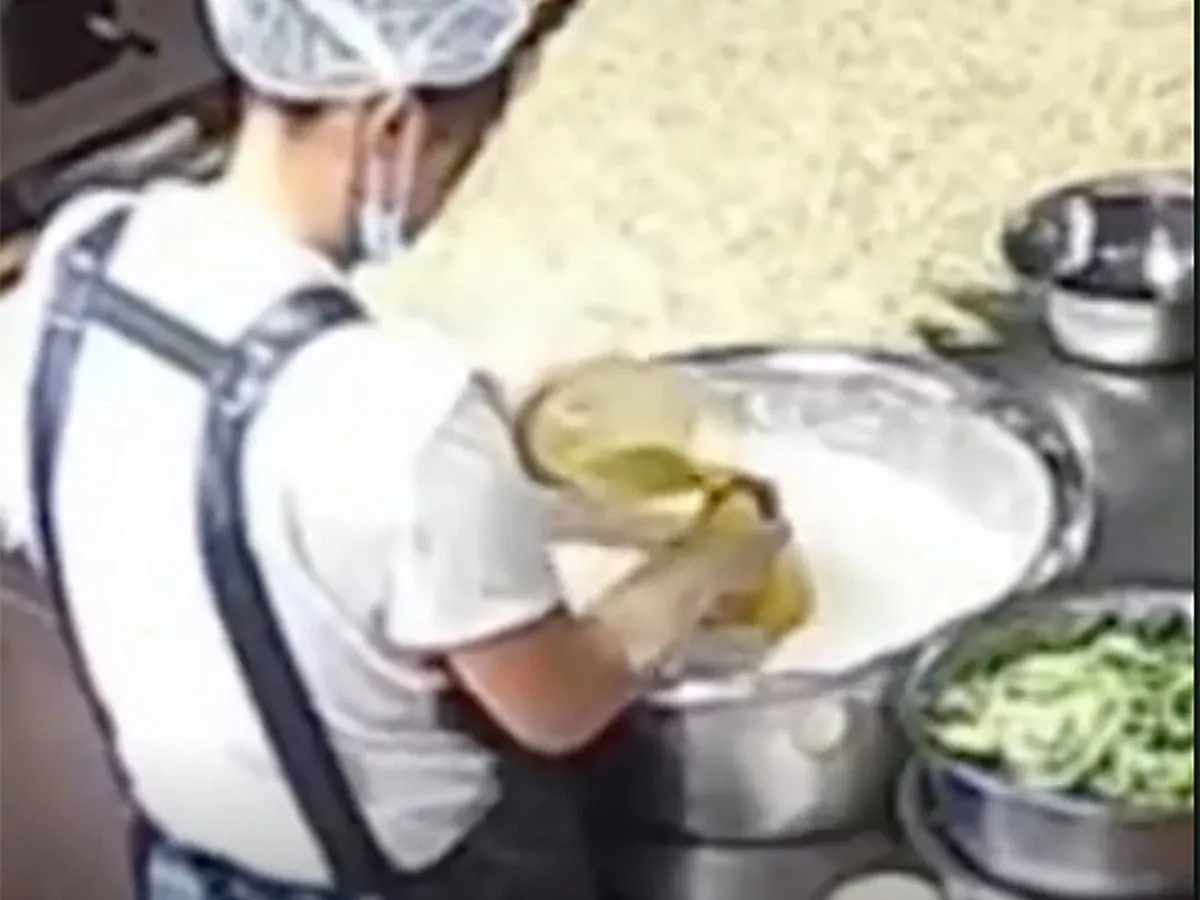
The paint used to make the food look brighter was found to contain high levels of lead, which can cause irreversible damage to a child’s brain and nervous system.
The kindergarten’s owners and staff have been jailed, with Li Huifang sentenced to life in prison and Zhu Jinglin sentenced to 15 years in jail, along with a significant fine.


But the scandal goes far beyond a single kindergarten, with serious questions being raised about the lack of regulation and oversight in China’s education system.
The fact that the kindergarten was able to operate with such blatant disregard for the health and safety of its students is a damning indictment of the system, and raises concerns about the potential for similar scandals to occur in other countries.
The World Health Organization has warned that lead poisoning is a global health crisis, affecting hundreds of millions of children internationally, and that urgent action is needed to prevent it.
The lead poisoning scandal has sparked a national outcry in China, with many calling for greater accountability and transparency in the education system. The government has promised to take action, but the damage has already been done, with the health and wellbeing of hundreds of children irreparably harmed.
As the world watches, it is clear that this is a scandal that will have far-reaching consequences, and one that will require a concerted effort to prevent similar incidents from occurring in the future.
Analysis: What This Means for Australia is a critical question, as the country grapples with its own environmental health threats.
The lead poisoning scandal in China is a stark reminder of the importance of regulating and monitoring the use of toxic substances, and the need for vigilance in protecting the health and safety of children.
As Australia continues to navigate its own environmental health challenges, including the asbestos crisis and pollution crisis, the lesson from China is clear: that complacency and lack of oversight can have devastating consequences.
Security analysts say that the lead poisoning scandal highlights the need for greater cooperation and information-sharing between countries to prevent environmental health threats. “The fact that lead poisoning is a global health crisis means that we need to work together to prevent it,” said one expert.
“This includes sharing best practices, regulating the use of toxic substances, and providing support to countries that are struggling to address the issue.” Law enforcement insiders warn that the scandal also highlights the need for greater accountability and transparency in the education system, and the importance of protecting the health and safety of children.
As the world continues to grapple with the aftermath of the lead poisoning scandal, it is clear that this is a crisis that will require a concerted effort to resolve.
The World Health Organization has warned that lead poisoning is one of the world’s most serious yet overlooked environmental health threats, and that urgent action is needed to prevent it.
In Australia, the education system and environmental health are critical areas of focus, as the country works to prevent similar scandals from occurring.
The Australian Bureau of Statistics has reported that environmental health threats are a major concern for Australians, and that the government needs to take action to address the issue.
In the wake of the lead poisoning scandal, it is clear that there are many lessons to be learned, and many questions to be answered. How could this have happened?
What can be done to prevent it from happening again? And what are the implications for Australia and the world?
As the investigation continues, one thing is clear: that the health and safety of children must be the top priority, and that urgent action is needed to prevent environmental health threats like lead poisoning.
The lead poisoning scandal is a stark reminder of the importance of protecting the health and safety of children, and the need for vigilance in regulating and monitoring the use of toxic substances.
As Australia continues to navigate its own environmental health challenges, the lesson from China is clear: that complacency and lack of oversight can have devastating consequences.
The government and regulatory bodies must take action to prevent similar scandals from occurring, and to protect the health and safety of children.