Australia Braces For Wettest El Niño Year On Record As Torrential Rains Bring Flash Flooding And Destructive Winds To Multiple States
- More than half of Australia is forecast to be affected by severe storms and heavy rainfall over the next seven days, with some regions expected to receive over 100mm of rain
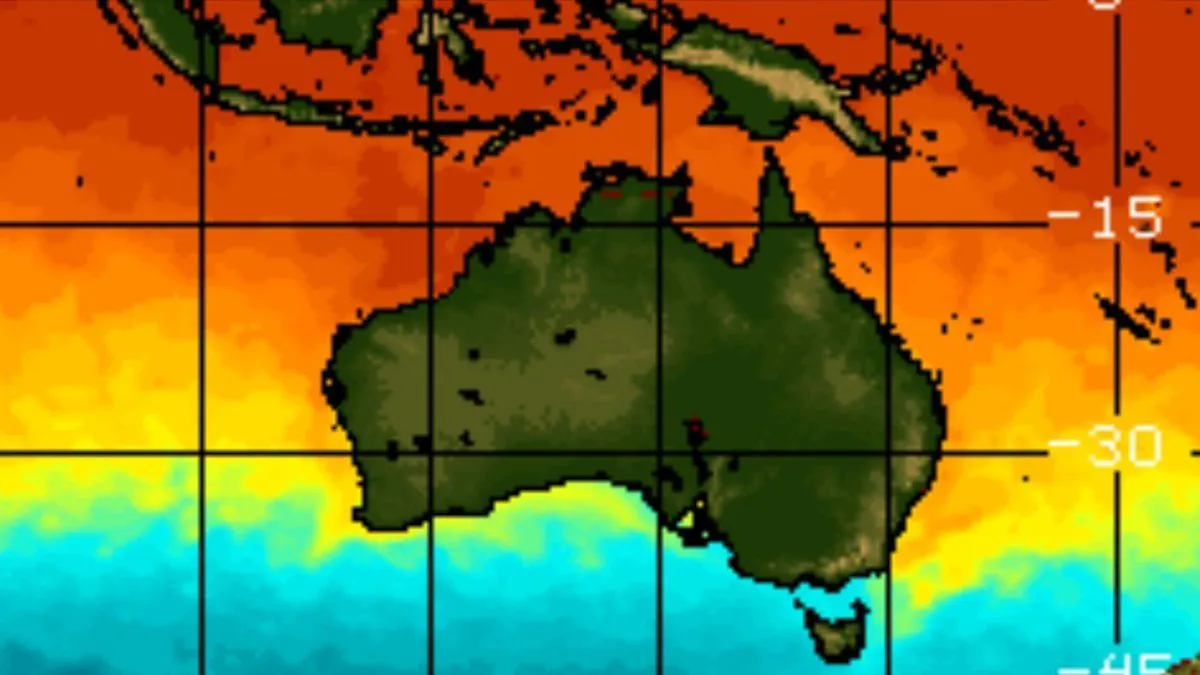
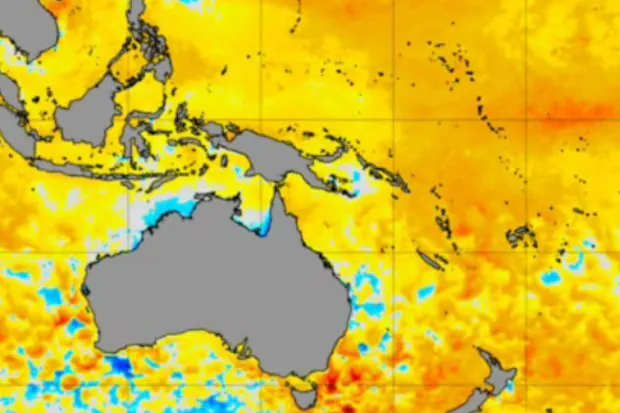
- The Indian Ocean’s unusual warm water blob is being cited as a potential factor in the unusually wet El Niño year, which is set to break 35-year records
- Experts warn that the prolonged wet weather could have significant implications for Australia’s national security, law enforcement, and community safety, particularly in flood-prone areas
- The Bureau of Meteorology’s latest outlook suggests that November will also be wetter than normal across most of Australia, with a strong swing to above median rainfall expected in Western Australia
The current El Niño year is shaping up to be one of the most unusual on record, with torrential rains and flash flooding bringing chaos to multiple states across Australia.
Despite being one of the strongest El Niño events in history, the country is experiencing above-average rainfall, with some regions receiving over 100mm of rain in just a few days.
The severe weather is being driven by a combination of factors, including a high-pressure system stalled in the southern Tasman Sea and a warm water blob in the Indian Ocean.
The extreme weather is having a significant impact on communities, with flash flooding and destructive winds causing damage to properties and infrastructure. The situation is being closely monitored by emergency services, with warnings issued for multiple states and territories.
The Australian public is being urged to stay safe and follow the latest updates from authorities.




As the situation continues to unfold, it is clear that the wet weather is not just a minor inconvenience, but a major event with significant implications for the country.
To understand the context behind this unusual weather pattern, it’s essential to look at the broader climate drivers at play. El Niño events are typically associated with dry conditions in Australia, but this year is bucking the trend.
The Indian Ocean’s positive Indian Ocean Dipole, which is usually a dry phase, is not following the usual script, and a warm water blob in the central Indian Ocean is supplying extra moisture into the air.
This, combined with the El Niño warm tongue of water in the eastern Pacific, is creating a perfect storm of wet weather across the country.
Analysis: What This Means for Australia is a critical question that needs to be addressed.
The prolonged wet weather could have significant implications for national security, law enforcement, and community safety. Flash flooding and destructive winds can cause widespread damage, and the risk of landslides and other hazards is increased.
Furthermore, the wet weather could also have economic and social consequences, particularly for farmers and rural communities who are already struggling with the impacts of climate change.
As the country prepares for a potentially wet summer, it’s essential to consider the long-term implications of this unusual weather pattern and take steps to mitigate its effects.
Security analysts say that the extreme weather could also have significant implications for Australia’s national security, particularly in terms of border control and emergency response. Law enforcement insiders warn that the wet weather could lead to an increased risk of crime and disorder, particularly in flood-prone areas.
Industry observers believe that the prolonged wet weather could also have significant economic implications, particularly for the agriculture and tourism sectors.
As the situation continues to unfold, it’s clear that the wet weather is not just a minor inconvenience, but a major event with significant implications for the country.
As the country prepares for a potentially wet summer, it’s essential to consider the long-term implications of this unusual weather pattern and take steps to mitigate its effects.
This includes investing in flood mitigation infrastructure, improving emergency response planning, and supporting rural communities who are already struggling with the impacts of climate change. By taking a proactive approach, Australia can reduce the risks associated with extreme weather and build a more resilient and sustainable future for all.
The Australian Bureau of Meteorology is closely monitoring the situation and providing regular updates, and the Australian Government is working to support affected communities and mitigate the impacts of the wet weather.