
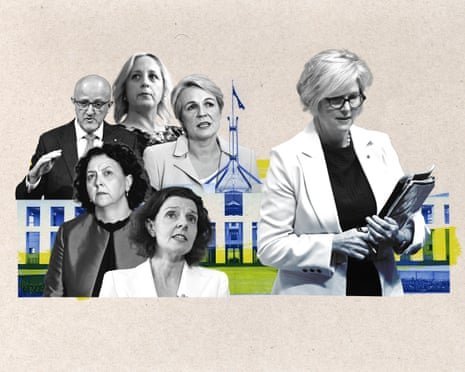
‘We Know Where You Live’: Women at the Top of Australian Public Life Reveal Years of Rape and Death Threats After Independent MP Helen Haines Loses Both Legs in Alleged Deliberate Car Attack
- Independent federal MP Helen Haines is in a critical but stable condition after both of her legs were amputated in hospital following an alleged vehicle attack outside her Victorian electoral office.
- A man, Brendan Nugent, has been charged with multiple offences after allegedly driving his four-wheel drive into the MP on Monday.
- Former North Sydney MP Kylea Tink says she received a message threatening that she would be grabbed, raped, stabbed and set on fire, and that her children were also targeted.
- Former ACTU boss Sally McManus says she called police four times over death and rape threats and was forced to move house, as a new census reveals growing hostility towards women leaders.
She went to work to serve her community. She is now fighting for her life without her legs.
The alleged attack on Independent MP Helen Haines has done more than horrify a nation.
It has ripped the lid off a dark and largely hidden reality: that for women who step into the spotlight in Australia, intimidation, threats of sexual violence and promises of death have become a routine part of the job.
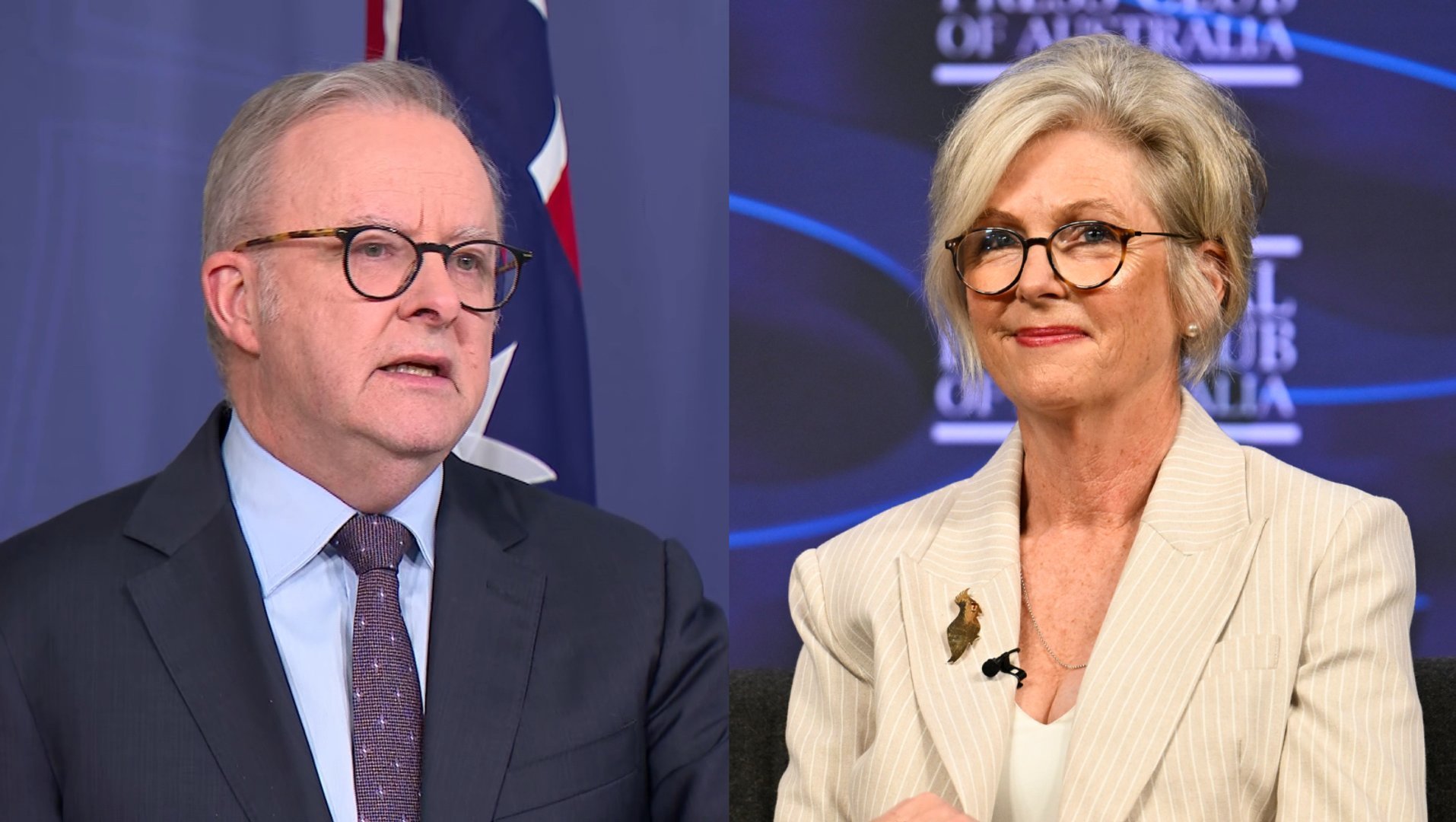
And now, many of them are asking a question that should alarm every Australian. How much further could this go?
Dr Haines was struck by a four-wheel drive outside her electoral office in regional Victoria on Monday. Her injuries were so catastrophic that surgeons were forced to amputate both of her legs.
She remains in hospital in a critical but stable condition.
Police have charged Brendan Nugent with multiple offences. It is alleged he deliberately drove the vehicle at the MP.
The allegations have not been tested in court.
Within hours, shock had turned to something closer to fury. Parliamentarians, community leaders and, above all, women in public life began speaking out about the threats they had quietly absorbed for years.
Among the most confronting accounts came from Kylea Tink, the former independent who made history as the first woman to win the seat of North Sydney.
Speaking to AAP, Ms Tink described being hit with a torrent of hatred after she entered politics. Some of it attacked her simply for daring to stand.
Some of it went much further, extending to physical threats and death threats against both her and her children.
One message, she said, warned that the sender knew where she lived and when she came and went, and vowed she would be grabbed, raped, stabbed and set on fire.
She said threats of that kind make your heart leap into your throat.
Perhaps most disturbing was her account of how such threats were handled. Ms Tink said MPs were encouraged to keep quiet about them publicly, for fear that speaking up would only inflame further hostility.
The only real avenue for reporting, she said, was the Australian Federal Police.
Ms Tink left Parliament in 2025 after her seat was abolished. The threats did not leave with her.
She still receives them online, and believes some people continue to watch her closely in case she considers a political comeback, determined to do whatever they can to stop her.
Now the head of Foodbank Australia, she has stepped up her personal security. She believes there is a sense among some that women in positions of power are fair game for intimidation.
Former ACTU secretary Sally McManus, who stepped down in August, shares that view. Over two decades in public leadership, she told AAP, she was forced to call police four times over death and rape threats.
She endured abusive and threatening phone calls and a constant stream of online abuse, much of which she says remains visible to this day. She changed her routine.
She moved house. All of it, she said, because she was a woman in public life.
Ms McManus pointed the finger squarely at men with influence, including media identities, politicians and, she said, unfortunately a small number of male union leaders, whom she accused of fuelling much of the targeted hostility.
The problem is not confined to politics and the union movement.
The latest Chief Executive Women Census, released just days before the alleged attack on Dr Haines, found that women in leadership roles across the corporate sector are reporting rising hostility and backlash.
While death threats are less common in boardrooms, the census paints a picture of increasingly hostile environments, set against a global surge in misogynistic rhetoric.
Analysis: What This Means for Australia
The alleged attack strikes at the heart of Australian democracy. Electorate offices are designed to be open doors, places where constituents can walk in off the street and speak to their representative.
If those doors become a target, the relationship between voters and the people they elect is fundamentally threatened.
For law enforcement, the testimony from Ms Tink exposes an uncomfortable gap.
A reporting system funnelled almost entirely through the AFP, combined with an unwritten expectation of silence, means the true scale of threats against MPs may be badly underestimated.
Questions about electorate office security, particularly in regional areas, are now unavoidable.
The community impact runs deeper still. Regional electorates like Dr Haines’ rely on accessible, locally embedded representatives.
Any retreat behind security barriers risks eroding the very connection that makes those MPs effective.
Then there is the long-term social and economic cost. Chief Executive Women head Lisa Annese told AAP that the hostility will make women less likely to pursue careers that bring a public profile.
She argued that both politics and corporate life should reflect the diversity of the community, warning that leadership shapes organisations far beyond the individuals at the top.
This, she stressed, is not a fringe issue, but one affecting half the population.
A pipeline of capable women choosing to stay out of public life would be a loss felt in Parliament, in boardrooms and across the broader debate around gender equality and online abuse.
Security analysts say the case is likely to trigger a wide-ranging review of protections for federal MPs, especially those working from electorate offices without dedicated security.
Many believe the current model was never designed for the threat environment politicians now face.
Law enforcement insiders warn that online threats can no longer be dismissed as idle keyboard venom. They say the line between digital intimidation and real-world harm has become dangerously thin, and that earlier intervention may be critical.
Social policy observers believe the testimonies from Ms Tink and Ms McManus could mark a turning point, breaking the culture of silence that has kept the scale of abuse hidden.
They argue that leaders across politics, media and industry must confront the rhetoric that normalises hostility towards women.
For now, the nation’s attention remains fixed on a hospital bed in Victoria, where Helen Haines continues her fight. The conversation her alleged attack has sparked is unlikely to end any time soon.