
Tragedy on Corio Bay: Desperate Five-Hour Air and Sea Search Ends in Heartbreak as Body of Missing Geelong Kayaker, 60, Is Pulled From the Water Near Avalon
- A 60-year-old East Geelong man has been found dead in the water at Avalon, hours after his empty kayak was discovered drifting near Limeburners Bay.
- Water Police, the Air Wing, Marine Search and Rescue crews and SES volunteers spent Saturday afternoon scouring the bay before the grim discovery shortly before 7pm.
- Police are preparing a report for the coroner, and the circumstances of the man’s final hours on the water remain unknown.
- The death is a stark reminder that even familiar, sheltered stretches of water can turn deadly for experienced paddlers.
It began with an empty kayak. No paddler.
No sign of where he had gone.
By nightfall on Saturday, a frantic search spanning sea and sky had reached the outcome every family dreads.
The body of a 60-year-old man was recovered from the water near Avalon, on the western shores of Corio Bay, bringing a sombre end to a day that had begun like any other weekend on the water for countless Geelong locals.
For the man’s loved ones in East Geelong, the hours between that first alarm and the final discovery would have been agonising. For the wider community, his death raises uncomfortable questions about how quickly a routine outing on calm-looking water can unravel.
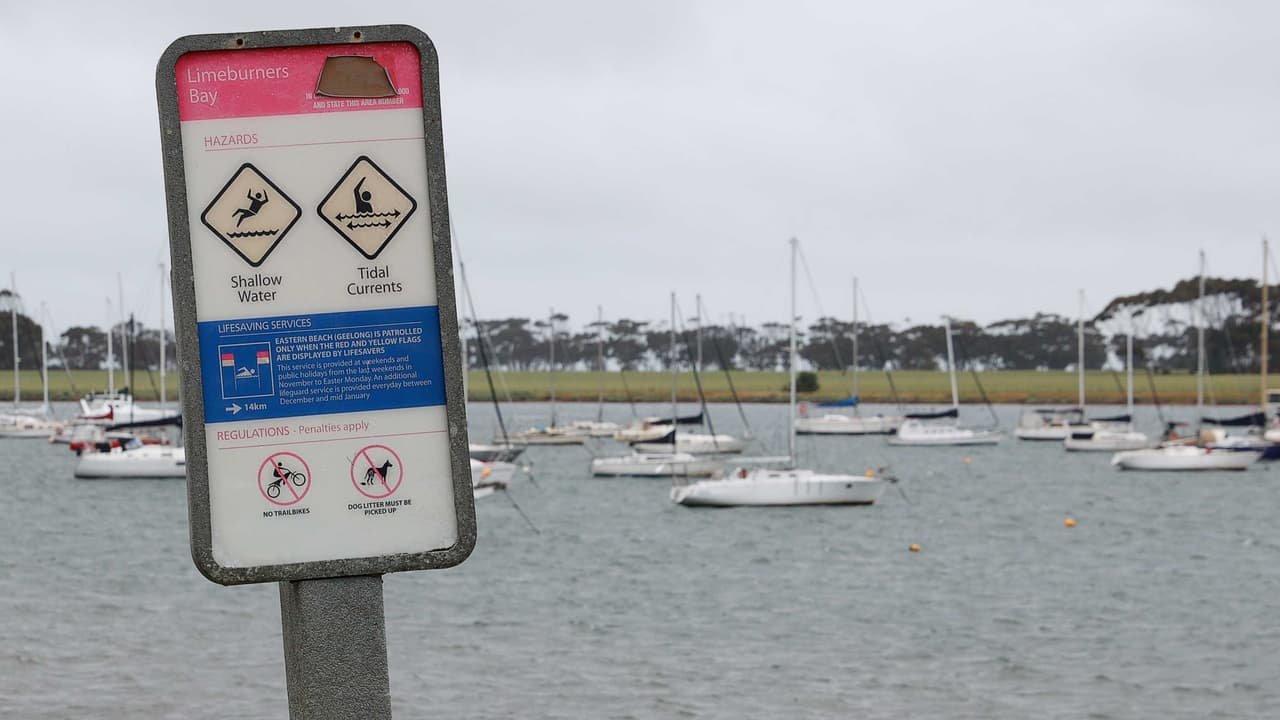
The alarm was raised at around 1.30pm on Saturday, when an unoccupied kayak was spotted near Limeburners Bay at Corio, on Geelong’s northern fringe.
Emergency services were called immediately.
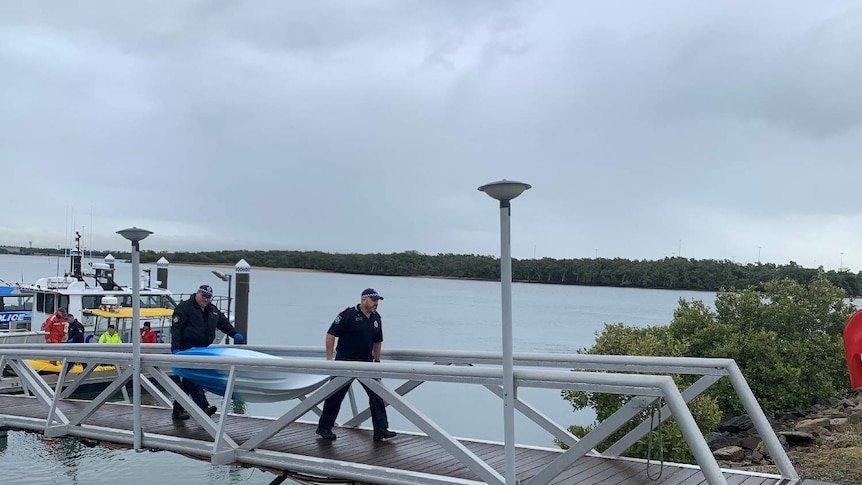
Within a short time, a coordinated operation was under way, drawing in officers from the Victoria Police Water Police unit, the force’s Air Wing, volunteer crews from Marine Search and Rescue, and members of the Victoria State Emergency Service.
Boats combed the shallows and channels while a police aircraft swept overhead, searching the water and shoreline for any trace of the missing paddler.
At about 6.50pm, that search ended. The man’s body was located in the water near Avalon Road, some distance along the coast from where his kayak had been found.
Police have not released the man’s name. Officers will compile a report for the coroner, who will be tasked with establishing exactly how he died.
At this stage, there is no information on what caused him to end up in the water, how long he had been there, or whether he was wearing a lifejacket.
Limeburners Bay is a sheltered inlet tucked into the north-western corner of Corio Bay, itself an arm of the vast Port Phillip. To many, it looks like a gentle place to paddle, fish or simply drift.
Its protected waters attract kayakers, recreational anglers and families throughout the warmer months.
But appearances can deceive.
Conditions across Corio Bay can shift with alarming speed, with afternoon winds whipping up chop across open water and tidal movement carrying anything, and anyone, away from the shoreline.
Spring, in particular, brings water that remains cold enough to sap strength quickly, even as the air temperature begins to climb.
The timing of this tragedy is significant.
As Victoria edges towards summer, more people are returning to the water after the cooler months, often with gear that has sat unused and skills that may have dulled.
Water safety organisations routinely warn that the shoulder seasons can be among the most dangerous, precisely because the water feels inviting long before it is safe.
Kayaking has surged in popularity across Australia in recent years, with affordable sit-on-top models making the activity accessible to almost anyone. That accessibility is a double-edged sword.
Many paddlers head out alone, without telling anyone their plans, and without the training to recover from an unexpected capsize in deep or cold water.
Analysis: What This Means for Australia
Every death in Australian waters ripples outward, far beyond a single family. This latest tragedy feeds into a national conversation about drowning deaths that water safety bodies have been urging governments and communities to take more seriously.
Data compiled by Royal Life Saving Society Australia has repeatedly shown that older Australians are heavily represented among drowning victims, and that inland and bay waterways, not just surf beaches, claim a significant share of lives.
Men are consistently over-represented. A lone man in his sixties, paddling in a bay, fits a pattern that safety experts have been flagging for years.
For law enforcement and emergency services, operations like Saturday’s are resource-intensive. A single search can tie up police aircraft, specialist marine units and dozens of volunteers for hours.
Those same resources may be needed elsewhere at short notice, which is why prevention is treated as a public safety priority rather than a matter of personal choice alone.
The burden on volunteers is also considerable. Marine Search and Rescue and SES members give up their weekends to train and respond, often confronting harrowing scenes.
The emotional toll on these crews, many of them local residents, is rarely acknowledged.
There are economic and social costs, too.
Coronial investigations, emergency response and the long-term impact on grieving families all carry a weight that is felt across regional communities like Geelong, where the water is woven into everyday life.
Water safety advocates say the message is painfully simple: wear a properly fitted lifejacket every time, tell someone where you are going and when you expect to return, carry a means of calling for help, and check the weather before launching.
Many tragedies, they argue, unfold not because of recklessness, but because of a single moment of bad luck with no safety net in place.
Emergency services insiders note that the discovery of an unoccupied vessel is one of the most urgent call-outs they receive. When a kayak is found empty, responders know the window for a successful rescue may already be closing, particularly in cold water.
Recreational boating observers believe the growing popularity of paddle sports demands a stronger push on education, especially for older paddlers and those heading out solo. Some have called for clearer signage at popular launch points and greater promotion of personal locator beacons and waterproof phone pouches.
Organisations such as Life Saving Victoria continue to campaign for improved water safety awareness ahead of the summer season, warning that the coming months traditionally bring a spike in incidents across the state’s beaches, bays and rivers.
For now, an East Geelong family is left grieving, and a coroner will begin the task of piecing together what happened on the water at Corio Bay.
Until those answers come, the empty kayak found drifting near Limeburners Bay stands as a haunting symbol of how quickly a quiet afternoon can turn to tragedy.