
‘We’re Out Of Time’: Chilling Final Mayday From Doomed Private Jet That Plunged Like ‘A Missile’ Into Florida Neighbourhood, Killing All Nine On Board, as Experts Warn Australia’s Skies Face the Same Invisible Killer
- All nine people aboard a Learjet 60 bound for the Bahamas were killed when it nosedived into a residential area of Palm Beach County, leaving a burning crater beside a busy road.
- In a desperate final transmission, the pilot reported the jet was falling at 20,000 feet per minute before uttering the haunting words: “We’re out of time.”
- Around 600 residents of a nearby mobile home community were forced from their homes as federal investigators moved in.
- Icing, turbulence and a violent storm are now under scrutiny, raising questions about how Australian charter and private jet operators manage the same deadly conditions.
Thirty-five seconds. That is all the time that passed between the first mayday call and the final, frantic words from the cockpit.
In that half-minute, a sleek private jet carrying nine people fell out of the Florida sky so fast it broke past the limits its designers ever imagined.
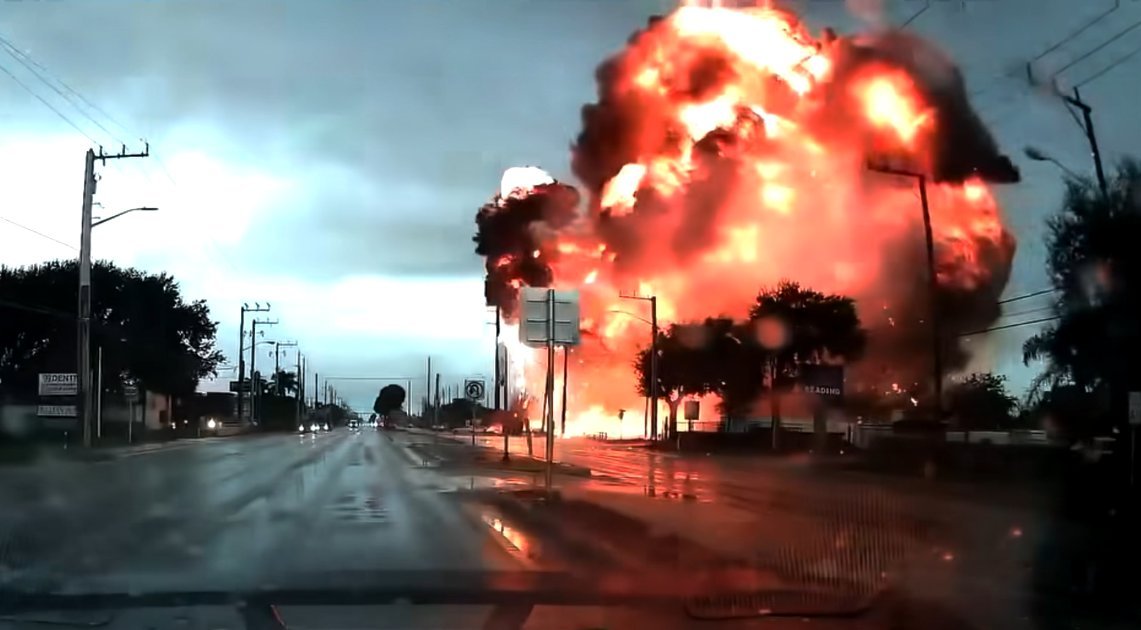
Then it struck the earth beside a crowded road and vanished inside a ball of fire.
No one on board survived.
The aircraft, a Bombardier-built Learjet 60, slammed into a residential pocket of Palm Beach County at about 12.50pm local time on Sunday.
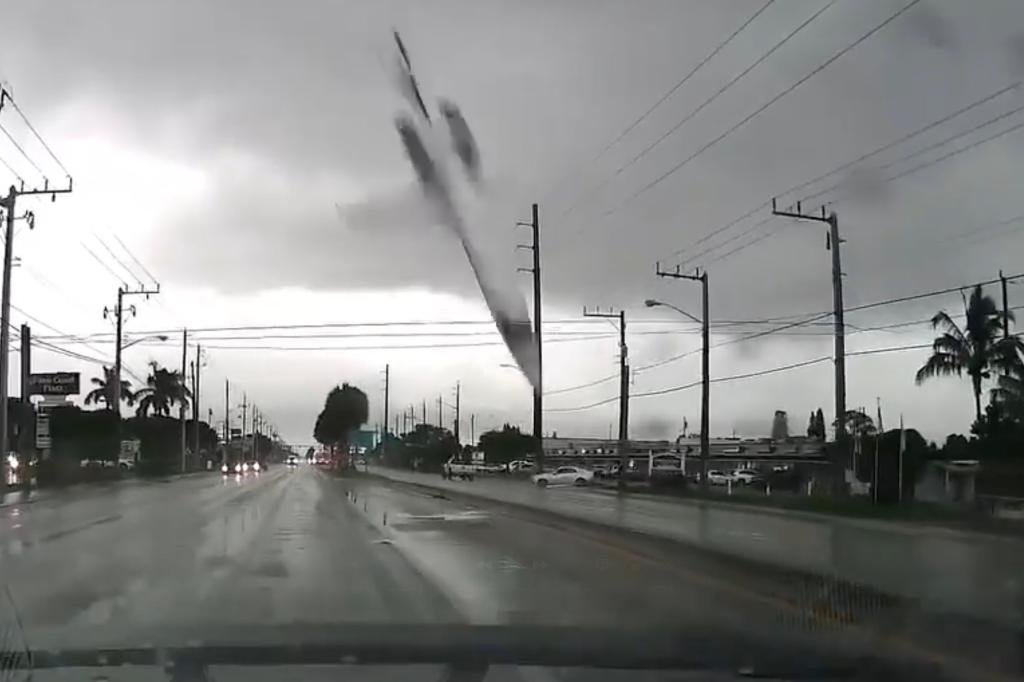
Dashcam footage captured by passing motorists shows the jet plunging almost vertically before detonating on impact, sending a column of thick black smoke rolling over nearby streets.
The flight had left Austin-Bergstrom International Airport in Texas and was on its way to the Bahamas, according to the Federal Aviation Administration. The identities of those on board have not yet been released, and officials have offered no official cause.
US Transportation Secretary Sean Duffy described the disaster on X as a horrific tragedy.
Florida Governor Ron DeSantis, standing at the scene as heavy rain fell, called it “cataclysmic”, telling reporters the jet “looked like a missile going down” and had gouged a large crater at the roadside.
Remarkably, the governor said there were no immediate reports of casualties on the ground, despite wreckage being strewn across a wide area.
Authorities nonetheless evacuated roughly 600 people from a neighbouring mobile home park as a precaution while the investigation got underway.
Air traffic control recordings, published by LiveATC.net, paint a terrifying picture of how quickly a routine cruise turned into catastrophe.
The jet was tracking east at 35,000 feet when the crew reported rain, icing and turbulence.
The pilot told controllers they were dealing with light, clear ice that was manageable, but that moderate turbulence was jolting the aircraft up and down by as much as 700 feet.
The crew asked to climb a further 2,000 feet in search of smoother air.
Moments later, everything fell apart.
The aircraft pitched into a steep dive, accelerating from a descent of 10,000 feet per minute to 20,000 and then 30,000. Flightradar24 data indicated the vertical rate at one stage topped 32,000 feet per minute.
“Mayday, mayday,” the pilot radioed, reporting the plane was in an over-speed condition and warning plainly that it was going to hit the ground. The jet rolled hard to the right before smashing into the earth at a savage angle.
The final words captured were spoken in a rush: “We’re out of time.”
The National Transportation Safety Board is leading the investigation, with the FAA dispatching a team to assist. FAA records show the aircraft was registered to a Delaware corporation.
Canadian manufacturer Bombardier said it would cooperate fully with investigators.
Storms had been active across southern Florida throughout the day, and the combination of ice and severe turbulence at high altitude is expected to sit at the centre of the inquiry.
Clear ice is among the most feared hazards in aviation. Unlike rough rime ice, it forms a smooth, glassy layer that can be difficult to detect, altering the shape of a wing and degrading lift.
Paired with violent turbulence, it can push even experienced crews to the edge of control.
The Learjet 60, a mid-size business jet popular with charter firms and wealthy owners, has been out of production for years, meaning many airframes still flying are well into their working lives.
Investigators will examine maintenance records, crew experience and weather briefings as they reconstruct the final minutes.
Analysis: What This Means for Australia
While the tragedy unfolded more than 15,000 kilometres away, its lessons land squarely on Australian soil.
Australia relies heavily on private and charter aviation. Business jets ferry mining executives to remote sites, medical teams to regional hospitals and tourists to island resorts.
Many operate in the same class of aircraft, flying through the same kinds of high-altitude weather systems.
Our tropical north, in particular, is no stranger to towering storm cells. Summer thunderstorms across Queensland and the Northern Territory routinely produce severe turbulence and icing at cruising levels, conditions closely monitored by the Bureau of Meteorology.
From a public safety perspective, the Florida crash is a stark reminder that aviation disasters are not confined to airports. The jet came down beside a busy road and next to a densely populated mobile home park.
Australia’s suburbs increasingly sprawl toward general aviation airfields such as Bankstown, Moorabbin, Archerfield and Jandakot, putting more homes beneath flight paths than ever before.
That raises uncomfortable questions for planners already grappling with the housing crisis and pressure to build on every available block of land.
For regulators, the stakes are equally high. The Civil Aviation Safety Authority oversees maintenance and pilot standards for Australia’s private fleet, while the Australian Transport Safety Bureau investigates accidents.
Findings from the US probe will be closely watched by both agencies, particularly if they reveal weaknesses in how older business jets handle icing or how crews are trained to respond to sudden upsets.
There is an economic dimension too.
Insurance premiums, charter costs and operator compliance budgets often rise in the wake of high-profile crashes overseas, with ripple effects for industries that depend on fast regional access, from resources to tourism.
Aviation safety analysts say the recordings point to a classic loss-of-control scenario, one of the leading killers in business aviation worldwide. They warn that the window between a manageable problem and an unrecoverable dive can close in seconds, leaving crews almost no margin.
Industry insiders believe the investigation will focus heavily on whether ice accumulation affected the aircraft’s handling at high altitude, and whether the request to climb placed additional strain on an already compromised airframe.
Training specialists argue the case strengthens calls for more rigorous upset-recovery training for private jet crews, both in the US and in Australia, where smaller operators can lack the resources of major airlines.
Others caution against early conclusions. Investigators typically take many months to publish final findings, and mechanical faults, instrument failures or structural issues have not been ruled out.
For now, nine families are left grieving, a Florida neighbourhood is counting its blessings, and aviation authorities around the world, including here at home, are listening closely to the final 35 seconds of a flight that ran out of time.