
‘Run Its Course’: Married At First Sight UK Axed for Good After Shocking Rape Allegations, Arrest and Damning Welfare Review, Raising Hard Questions for Australia’s Hit Version
- Channel 4 has permanently cancelled the British version of Married At First Sight after three former contestants alleged they were sexually assaulted during filming.
- An entire season that had already been filmed will now never air, after every past series was removed from streaming in May.
- A review found “isolated incidents” where welfare safeguards were not fully implemented, despite protocols being praised overall.
- The decision puts the global franchise, including Australia’s ratings juggernaut, under fresh scrutiny over how vulnerable cast members are protected.
It began as a televised gamble on love. It has ended in allegations of rape, a police arrest and a broadcaster quietly pulling the plug.
After a decade on air, the British edition of Married At First Sight is finished.
Channel 4 confirmed the reality series will not return to screens, closing the door on one of the most talked-about formats in modern reality television and sending a jolt through an international franchise that counts Australia among its biggest markets.
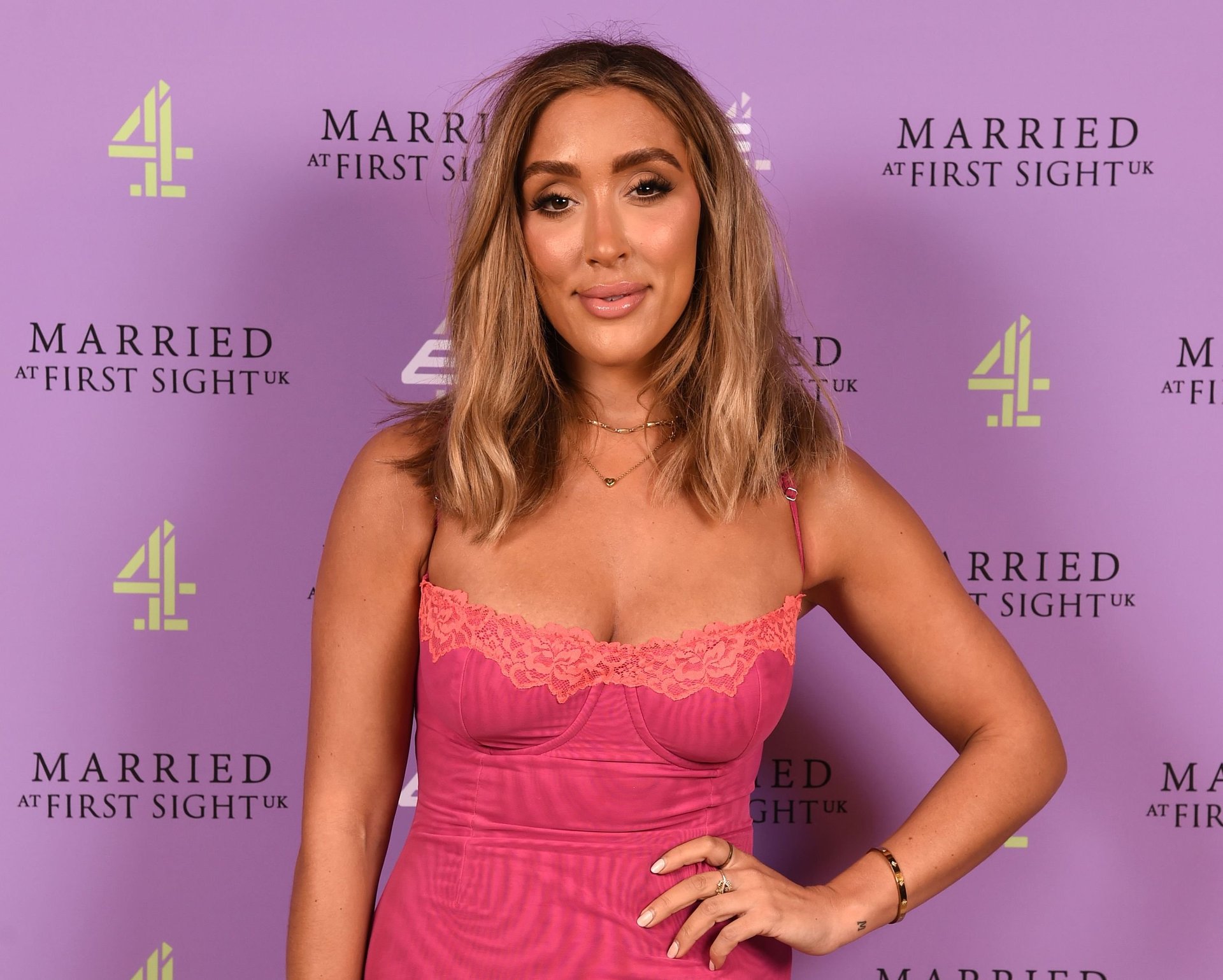
The decision follows a review commissioned by the broadcaster after three women who appeared on the program came forward with sexual assault allegations relating to the period of filming.
Two of those women alleged they were raped while taking part in the show. A third accused the man she was matched with on screen of sexual misconduct.
The men at the centre of the claims have denied all of the allegations, according to Channel 4 News.
The accounts first surfaced publicly in a BBC investigation earlier this year. In July, the BBC reported that a cast member had been arrested on suspicion of rape following its reporting.
Neither the accused nor the alleged victim has been identified, in line with legal protections guaranteeing anonymity for complainants.
Channel 4 moved fast. In May, it stripped every previous season of the British series from its streaming platform.
It then launched an examination of the welfare protocols in place at the time the episodes were made.
Now the verdict is in, and it is final. Even the next series, already filmed and in the can, has been shelved.
The format itself is deceptively simple.
Strangers are paired by so-called experts and meet for the first time at a staged wedding ceremony, before living together under the constant gaze of cameras.
Born in Denmark, the concept has been exported around the world, becoming a cultural phenomenon known to fans simply as MAFS.
Britain aired ten seasons. Its cancellation is the most dramatic fall yet for any edition of the brand.
The review was split into two parts.
The first, carried out by law firm Clyde & Co, concluded that Channel 4’s welfare protocols complied with broadcasting codes, but identified isolated incidents in which the welfare framework was not fully put into practice.
The second, led by former BBC executive Lorraine Heggessey, described the protocols as extensive, extremely thorough and of a high standard.
So why axe the show at all?
Channel 4 chief executive Priya Dogra said the welfare of participants across the network’s programs remained a primary concern. She noted the review made no finding that the broadcaster had breached the Ofcom Broadcasting Code, nor that the format was inherently unsafe.
But she said she had to weigh up when the right moment was to move on. Adopting every recommendation, she explained, would fundamentally change what the show is.
After ten years, in her words, it had “run its course”.
That admission is striking. Put plainly, the safeguards needed to make the show safer would have made it a different show.
Analysis: What This Means for Australia
For Australian audiences, this is not a distant British scandal.
The local version of MAFS is one of the most-watched programs on free-to-air television, a reliable ratings engine that dominates conversation online, in offices and around kitchen tables every year.
The British collapse raises an uncomfortable question for local producers and regulators: if a format praised for thorough welfare protocols could still allow alleged serious harm to slip through the cracks, how confident can anyone be elsewhere?
The core ingredients are the same everywhere. Strangers.
Alcohol at staged events. Intense emotional pressure.
Cameras rolling for weeks. Producers chasing conflict because conflict rates.
Australia’s version has weathered its own controversies over the years, with former participants publicly criticising their treatment and the toll of sudden fame and relentless online abuse.
The British case adds a far graver dimension: allegations of sexual assault occurring within the production itself.
There are regulatory implications too.
Broadcast content here falls under the Australian Communications and Media Authority, but the welfare of reality participants sits in a murky space between media regulation and workplace safety law.
Contestants are not always treated as employees, which can leave gaps in who is responsible when something goes wrong off camera.
Then there is the money. Reality formats are among the most profitable assets in commercial television.
A cancellation of this magnitude in Britain, driven by safety concerns rather than falling ratings, sets a precedent that networks worldwide will not ignore.
For the community, the stakes are deeply human. Thousands of Australians apply to reality programs every year, many young and many seeking connection.
The British allegations are a stark reminder that the duty of care owed to them must extend well beyond what ends up on screen.
Industry observers believe the cancellation could trigger quiet reviews of welfare arrangements across other territories running the format, even where no allegations have been made. Few broadcasters, they suggest, will want to be caught flat-footed by a similar investigation.
Media law specialists say the gap highlighted by the review, between protocols on paper and protocols in practice, is precisely where risk lives. A thorough rulebook means little, they warn, if it is not enforced consistently on every shoot day and every night of filming.
Advocates for survivors of sexual violence argue that anyone with concerns should be able to report them independently, without fear that speaking out will affect their portrayal or their place on the show.
Television insiders also point to the power imbalance inherent in reality production, where participants depend on producers for everything from accommodation to editing decisions, making it harder to raise the alarm.
The allegations in Britain remain allegations, and those accused have denied them. But the decision to end the show entirely signals that broadcasters can no longer treat contestant welfare as an afterthought.
For a franchise built on the promise of happily ever after, the British chapter has closed on a far darker note, and the rest of the world is watching what happens next.
If you or someone you know has been affected by sexual assault, support is available through 1800RESPECT on 1800 737 732.