
‘He Should Be Ashamed. He Should Quit’: WA’s Aboriginal Affairs Minister Under Siege as Elders Accuse Him of ‘Passing the Buck’ While Indigenous Children Suffer in the Pilbara
- Aboriginal Affairs Minister Don Punch insists the welfare of Aboriginal people is the whole cabinet’s job, not his, as a child protection crisis grips Port Hedland
- Kariyarra elder Patricia Mason has demanded his resignation, saying the shifting of responsibility “doesn’t hold any weight for us as human beings”
- Aboriginal children in WA are around 19 times more likely to be in care than non-Aboriginal children, and the state has gone backwards on early childhood development
- A coronial inquest into the deaths of three local children is under way, yet Mr Punch has still not set a date to visit the town
In the red dirt of the Pilbara, the ore that keeps Western Australia rich rolls out of Port Hedland by the shipload every day.
Behind the stockpiles and the export terminals, a very different story is unfolding. Aboriginal children have been reported living without supervision.
Three young lives have ended, and a coroner will examine how. Families say they have been crying out for help for years.
Now one question is being asked again and again: who is actually in charge?
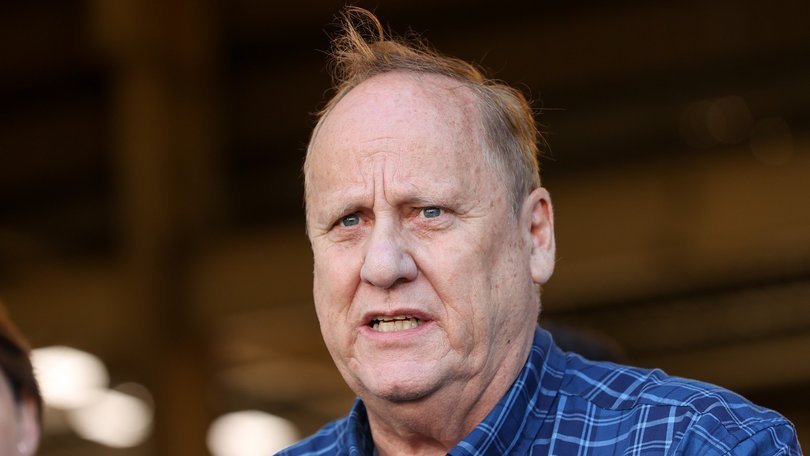
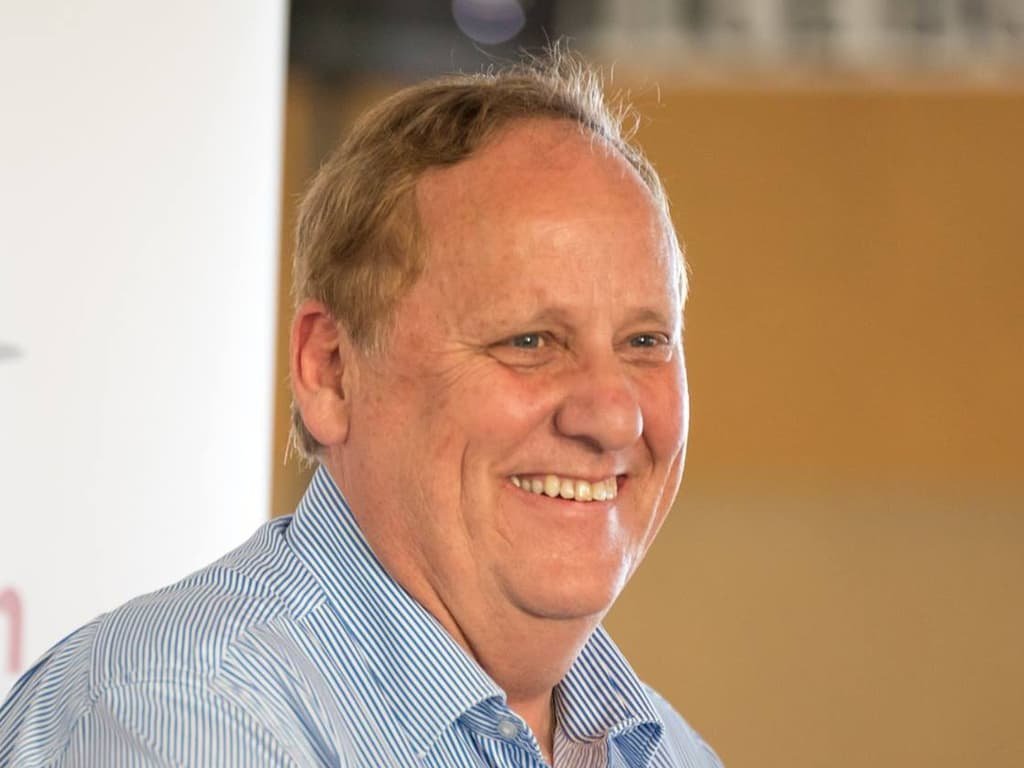
At the centre of the storm is Don Punch, the state’s Minister for Aboriginal Affairs. Rather than taking the lead, he has spent recent weeks explaining why the crisis does not belong to him.
In an interview with ABC South West, Mr Punch described his portfolio in narrow terms. He said it was about managing a land estate, negotiating native title compensation and protecting heritage.
He said the welfare of Aboriginal people was a “collective responsibility” for cabinet.
He has also stressed that his role carries no direct responsibility for housing, health or child protection, each of which has its own minister.
On paper, that is accurate. To the people of Port Hedland, it sounds like an excuse.
Child Protection Minister Jessica Stojkovski has at least acted. She has put the state’s most senior caseworker in charge of investigations in the town and flown in extra staff.
Premier Roger Cook, by contrast, was heckled when he made his first visit to the community after announcing the coronial inquest. Critics say he arrived far too late.
Mr Punch has now agreed to travel north after sustained pressure from the Opposition. No date has been set.
Opposition Leader Basil Zempilas has not held back. After his own trip, he described a community “crying out for help, crying out for leadership”.
He accused the Premier of leaving residents in the lurch and said the Aboriginal Affairs Minister had not even bothered to show up. “He should be ashamed.
He should quit,” he said.
Mr Punch has rejected calls to resign.
The anger from elders is raw. Kariyarra elder Patricia Mason told the ABC that ministers were playing a game in cabinet, each insisting the problem belonged to someone else.
Nymal elder Linda Doogiebee said the community was “going around in circles” while Aboriginal children and families paid the price. She spoke of deep worry about the future of children in foster care and their parents.
To understand why this has erupted now, it helps to look beyond the headlines. Child protection workers rarely knock on a family’s door because of a single problem.
They usually arrive when many things have gone wrong at once.
Overcrowded housing and homelessness. Addiction and poor health.
Children who have stopped going to school. family and domestic violence.
These pressures fall hardest on First Nations families across WA, and the figures are stark. Aboriginal children are around 19 times more likely to be in care than their non-Aboriginal peers.
That is why critics argue that treating Port Hedland purely as a child protection matter misses the point. It is a failure that spans housing, health, education, policing and justice.
It is exactly the kind of problem that needs one person to pull every lever together.
Many people assume that person is the Aboriginal Affairs Minister. The state government’s own website feeds that view, describing the portfolio as responsible for “managing and supporting Aboriginal welfare, heritage and culture”.
In parliament, Mr Punch has said he regularly meets traditional owners on country to hear their concerns, including about government services. He has said he works closely with colleagues whose portfolios affect Aboriginal communities, including the Child Protection Minister.
Yet he has pointed to few concrete examples of that work making a difference in Port Hedland.
The pattern is not new. When Mr Punch tabled WA’s annual Closing the Gap progress report this year, the results were sobering.
There was no improvement in child protection, and the state had slipped backwards on early childhood development. Neither fact featured in his speech, which instead highlighted new partnership agreements and an emergency ambulance trial.
Those measures are worth celebrating. But for families living in the gap every day, silence about the failures is hard to accept.
Analysis: What This Means for Australia
Port Hedland is not a remote footnote. It is one of the country’s most important export gateways, and the wealth that flows through it helps fund schools, hospitals and services across Australia.
When children in that same town are reported to be fending for themselves, it raises an uncomfortable question about who benefits from the boom and who is left behind.
For public safety, the risks are serious. Children without supervision are more exposed to abuse, exploitation and harm.
Many of the same failures feed later contact with police and the courts, adding to WA’s already severe Indigenous incarceration rates.
The crisis has also drawn national attention. The national Aboriginal children’s commissioner has travelled to Port Hedland after reports of unsupervised children sparked a political firestorm.
That signals that what happens in the Pilbara is now a test of Australia’s broader commitments to First Nations children.
The social cost of inaction builds across generations.
Children removed from families, or failed by the system meant to protect them, often carry that trauma into adulthood, with consequences for health, employment and community stability.
Policy observers say the split of responsibilities across portfolios has created a dangerous vacuum. Without one clear leader, services overlap in some places and leave gaps in others, and families struggle to know who to turn to.
Community advocates warn that every week spent arguing over whose job it is means another week in which vulnerable children wait for help.
Child welfare specialists say lasting change depends on joined-up action on housing, health, schooling and family violence together. Treating each issue in isolation, they argue, has failed for decades.
Governance experts point out that cabinet-wide responsibility can mean that no single minister is held accountable when outcomes fail to improve.
When Mr Cook visited Port Hedland last month, he was asked what hope residents should have that these problems would finally be tackled. He said government teams were working in the town every day to keep the community safe.
He added that local member Kevin Michel was working with community leaders on how services should be set up and funded, and that this was no different from any other WA community.
For elders who have heard decades of promises, that is unlikely to be enough. They want leaders who will listen, admit the scale of the problem and set out a clear plan.
Whether that leader turns out to be Don Punch, or someone else willing to take charge in Perth, the message from the Pilbara is clear. The first step is making the community feel heard.