
‘Made to Give Birth on the Verandah’: Harrowing Report Exposes the Dark Secrets of a Century-Old NSW Hospital Where Aboriginal Mothers Laboured in the Cold and Babies Were Taken Away
- Aboriginal women were allegedly denied a bed indoors and forced to deliver their babies outside David Berry Hospital on the NSW South Coast
- Families say newborns were taken from their mothers within days and sent to nearby institutions, and some never learned what became of stillborn infants
- More than a quarter of community members interviewed said they still feel deep trauma and fear about the site, remembered as a place where “you go and don’t come home”
- Investigators may now search the grounds for the remains of Aboriginal people believed to be buried there
Picture a young mother in labour, shivering in the night air. Through a window she can see warm wards and clean beds.
She is not allowed inside.
According to a confronting new report, that was the reality for Aboriginal women at one South Coast hospital, and the pain has passed through generations of families who still live in its shadow.
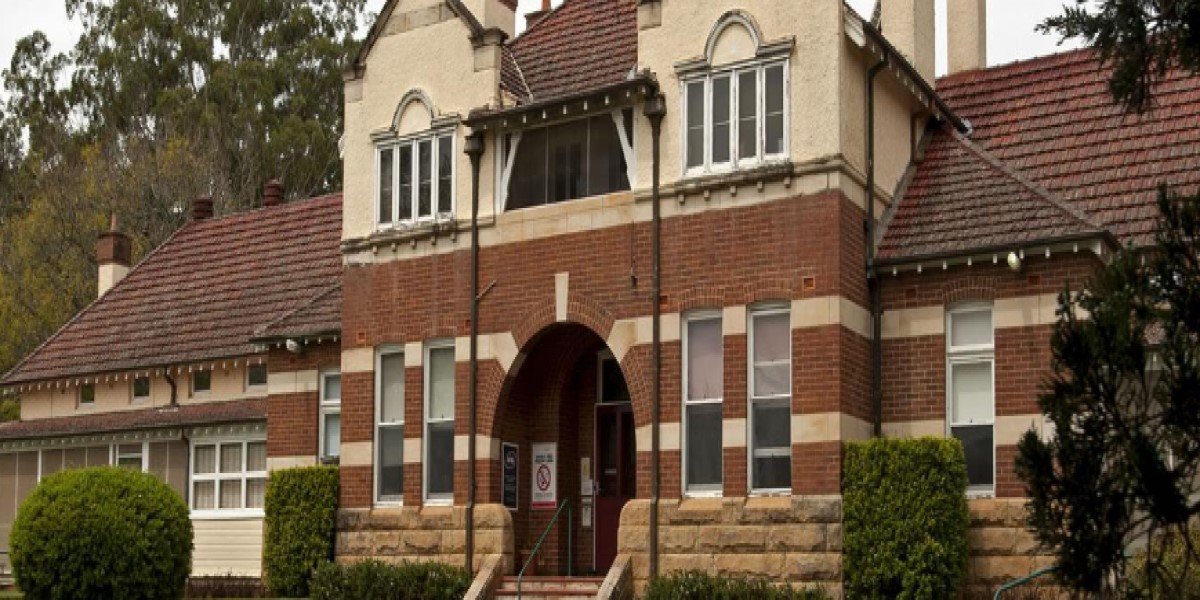
Now, as the building nears the end of its working life, the community is demanding the truth.
An Aboriginal engagement report commissioned by NSW Health has documented what it calls “discriminatory and traumatic” treatment of First Nations women at David Berry Hospital, near the town of Berry, during its 117-year history.
The findings rest on submissions from 17 Aboriginal organisations and more than 90 interviews with local community members.
Their testimony describes mothers turned away from indoor care and left to labour in the cold, with some made to give birth on the hospital’s verandah.
The report also found “consistent accounts” of Aboriginal babies being removed from their mothers only days after birth and placed in nearby institutions.
Cleon Wellington, one of three chief executive leaders of the Aboriginal women’s health service Waminda, said her organisation regularly supports people still carrying trauma linked to the hospital.
She described families whose babies were stillborn and then taken away. The parents were never told what happened to them and were never given the chance to bury them.
Of those interviewed, 28 per cent reported lasting trauma and fear tied to the site. For many, the report noted, it became known as a place of death.
The hospital opened in 1909, funded by money left by wealthy landowner David Berry. Its creation displaced the Jerringa people, the area’s traditional owners.
It was meant to improve maternity care for women across the district. The report found that Aboriginal mothers were largely shut out of that promise.
The timing of the findings is significant. The facility now operates as a palliative care unit, and those services are due to move to Shoalhaven Memorial Hospital within the next year.
That leaves the state government facing a major decision about what happens to the heritage-listed grounds.
The accounts also fit a wider national pattern. The forced removal of Aboriginal children, now known as the Stolen Generations, was formally documented in the landmark 1997 Bringing Them Home report.
Segregated or inferior hospital care for Aboriginal patients was common in many parts of regional Australia for much of the twentieth century.
What makes this report different is its focus on a single building, and on the faces and names of local families who lived through it.
Analysis: What This Means for Australia
This is not just a local history lesson. It goes to the heart of whether Aboriginal people can trust the health system that is supposed to care for them.
When a hospital is remembered as a place where you “don’t come home”, that fear does not stay in the past. It can shape whether people seek antenatal care, whether elders accept treatment, and whether families arrive in an emergency room early or far too late.
Governments have spent decades and billions of dollars trying to narrow health gaps under Closing the Gap targets.
Data published by the Australian Institute of Health and Welfare continues to show worse maternal and infant outcomes for First Nations Australians than for the wider population.
Mistrust built over generations is one of the hardest barriers to overcome, and reports like this one show exactly where it comes from.
There are legal and ethical stakes too. One of the report’s seven recommendations calls for a cultural heritage investigation to locate the remains of Aboriginal people buried on the grounds.
If remains are found, authorities will face difficult questions about identification, repatriation and accountability.
The other recommendations include a “deep cultural cleansing” of the site and the creation of an Aboriginal governance body to guide its future. That would hand traditional owners real decision-making power over public land, a model that could be copied across the country.
For the Shoalhaven community, the outcome is deeply personal. Yuin elder Uncle Gerry Moore was born at the hospital, as were many of his siblings.
Two of his brothers later returned there for palliative care and died within its walls.
Despite that history, he does not want the building torn down.
He wants it to become a place for both Indigenous and non-Indigenous people, a centre for truth-telling and teaching history, where people can return to the place their lives began.
Ms Wellington shares that view.
She said the many elders who lived, worked, suffered and survived on the site give it profound spiritual weight, and that this is a rare moment for the community to reconnect and heal.
Kiama MP Katelin McInerney has confirmed that options under consideration include an aged care service and a clinic for people living with post-traumatic stress.
Health policy observers say the Berry case could become a test of how seriously state governments treat Aboriginal-led decision-making.
They argue that commissioning a report is the easy part, and that funding and following through on its recommendations is where trust is either rebuilt or broken again.
Heritage specialists warn that any search for burial sites must be led by traditional owners and carried out with great care. Mishandling such an investigation, they say, risks reopening wounds the community has spent generations trying to close.
Community advocates believe the decision could set a national precedent.
They say that if a former colonial hospital can be turned into a place of healing under Aboriginal governance, other regions with painful institutional histories will be watching closely.
Indigenous health workers add that acknowledgement matters as much as bricks and mortar. For families who never learned the fate of their babies, they say, simply being heard is the first step.
NSW Health is now weighing the seven recommendations. For the families of the South Coast, the wait for answers has already lasted more than a century.