
‘She Is a Fighter’: Independent MP Helen Haines Walks Out of Hospital After Losing Both Legs in Alleged LandCruiser Attack Outside Her Wangaratta Office, as Fears Grow Over the Safety of Australia’s Politicians
- Helen Haines, the independent member for Indi, has left The Alfred hospital almost four weeks after she was allegedly mowed down twice by a four-wheel drive in broad daylight
- The 65-year-old had both legs amputated after the October 19 incident, which police have described as targeted
- In her first words since the alleged attack, Haines said she was moved by thousands of messages from around the world and the flood of donations made in her name to Save the Children
- A 43-year-old man remains behind bars facing serious charges, including a Commonwealth offence of causing harm to a public official
She walked into her electorate office as a local representative. She left it on a stretcher, fighting for her life.
Now, after nearly a month of emergency surgery and intensive care, independent federal MP Helen Haines has taken her first step towards a very different future.
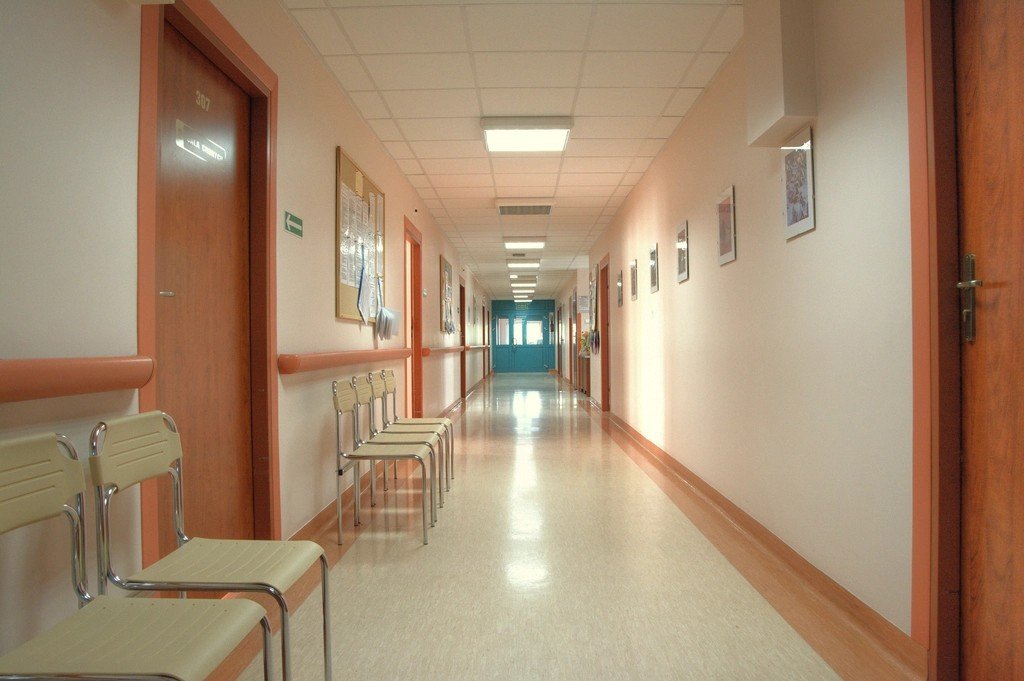
The 65-year-old, who lost both of her legs after allegedly being struck by a vehicle in the heart of Wangaratta, has been discharged from Melbourne’s Alfred hospital and moved into rehabilitation.
The confirmation came on Monday, in a moment her supporters had been quietly praying for since that horrifying afternoon in October.
It is a story of extraordinary personal courage. But it is also one that has forced the nation to confront an uncomfortable question: how safe are the people we elect?
The hospital confirmed her release in an update on Monday, the same day Haines broke her silence for the first time since the incident.
In a statement, the member for Indi described her move into the rehabilitation phase as a genuinely positive milestone. That recovery will continue in Melbourne for now.
She paid tribute to the skilled and compassionate staff who treated her at The Alfred, and to those now caring for her. She said the thousands of messages pouring in from her electorate, from across the country and from overseas were giving her strength.
Haines also revealed she had been overwhelmed by the generosity of Australians who chose to donate to Save the Children in her name, and said she intends to work with the charity on how those funds can be used to improve children’s lives.
Prime Minister Anthony Albanese also released a statement, saying he had remained in regular contact with Haines and her family, whom he described as extraordinary. He said the government would continue supporting the MP, her loved ones, her staff and her community throughout her rehabilitation.
The events that led here unfolded at about 3.30pm on October 19, outside her office on Murphy Street in the regional Victorian city.
Haines was allegedly hit not once but twice by a Toyota LandCruiser. Her injuries were described as catastrophic.
She was airlifted to The Alfred, where doctors were ultimately forced to amputate both of her legs.
Police took a 43-year-old man, Brendan Nugent, into custody on the spot.
He now faces three charges: dangerous driving that resulted in serious injury, intentionally inflicting serious injury, and a federal count of harming a Commonwealth public official.
He appeared briefly in court on October 21 and was not required to enter pleas. The allegations have not been tested in court.
He is still being held on remand at the Melbourne Assessment Prison, with his next court date set for February.
Victoria Police believe Haines was deliberately singled out, though investigators have not said what may have driven the alleged attack.
Haines’ husband, Phil, warned in the days after the incident that her road back would be long and difficult. But he was adamant about one thing.
‘She is a fighter,’ he said, adding that his wife was a determined person who would give her recovery everything, with the love and support of her family behind her.
For the people of Indi, the alleged attack struck at something deeply personal.
Haines, a former nurse and midwife, has built her political career on being accessible, a grassroots independent who succeeded Cathy McGowan in a seat famous for its community-driven politics.
Her electorate office was, by design, an open door. That openness is precisely what now has security experts worried.
The incident comes amid growing concern about the climate surrounding Australia’s elected representatives.
In recent years, the Australian Federal Police has publicly reported rising numbers of threats and incidents directed at federal parliamentarians, while electorate offices across the country have been vandalised, defaced and targeted by protesters.
Overseas, the risks have proven deadly.
British MPs Jo Cox and Sir David Amess were both killed while carrying out constituency duties, in 2016 and 2021 respectively, sparking a wholesale rethink of how politicians in the UK are protected.
Analysis: What This Means for Australia
The alleged attack on Helen Haines is likely to become a defining moment in the debate over political violence in this country.
From a national security perspective, the inclusion of a Commonwealth charge relating to harm caused to a public official signals how seriously authorities view any assault on an elected representative.
It reflects an understanding that such acts threaten not only an individual, but the functioning of democracy itself.
For law enforcement, the challenge is immense. Federal MPs operate from 151 electorate offices scattered across cities, suburbs and remote towns.
Many sit on ordinary shopping strips, with glass shopfronts and minimal physical barriers. Protecting every one of them around the clock is neither practical nor, many argue, desirable.
Yet the community cost of doing nothing could be just as high. Should politicians retreat behind fortified walls, the face-to-face access that Australians value, particularly in regional electorates like Indi, may quietly erode.
Constituents seeking help with Centrelink, aged care or cost of living pressures could find their local member harder to reach.
There are economic implications too.
Any expansion of security measures for electorate offices would come with a significant price tag for taxpayers, at a time when budgets are already under strain.
And there is a human dimension that cannot be ignored. Staff who work in these offices, often young people and long-serving locals, now face their own anxieties about turning up to work.
Security analysts say the incident is likely to accelerate reviews of electorate office protections already under way, including physical barriers such as bollards, which can stop vehicles reaching pedestrians and entry points.
Law enforcement insiders warn that the threat environment for public figures has become harder to predict, with risks emerging from individuals rather than organised groups, making early detection far more difficult.
Political observers believe the cross-party outpouring of sympathy for Haines could create a rare window for bipartisan agreement on stronger protections, without sacrificing the accessibility voters expect.
Community advocates in regional Victoria stress that the response must not drive a wedge between representatives and the people they serve, arguing that open democracy remains worth defending.
For now, Helen Haines is focused on one thing: getting better.
Her rehabilitation will be gruelling. Her life has been changed forever.
But if her first message to the nation is any guide, the woman her husband calls a fighter has no intention of giving up.