
‘Is It Really Going to Be Safe?’: Cricket Australia Orders Judge-Led Sandpapergate Truth Forum as Khawaja and Warner Fire Back and Dressing-Room Friendships Collapse
- Cricket Australia will reopen the darkest chapter in its modern history through an independent forum led by a King’s Counsel or retired judge, with a promise that no one will be punished.
- Usman Khawaja and David Warner have both questioned the plan, warning the truth could stay buried because the board will decide what the public sees.
- Pat Cummins’s friendship with Khawaja is among those reportedly fractured, and CEO Todd Greenberg admits the game is “really hurting”.
- Khawaja has described the bans handed to Warner, Steve Smith and Cameron Bancroft as “grotesquely overboard”.
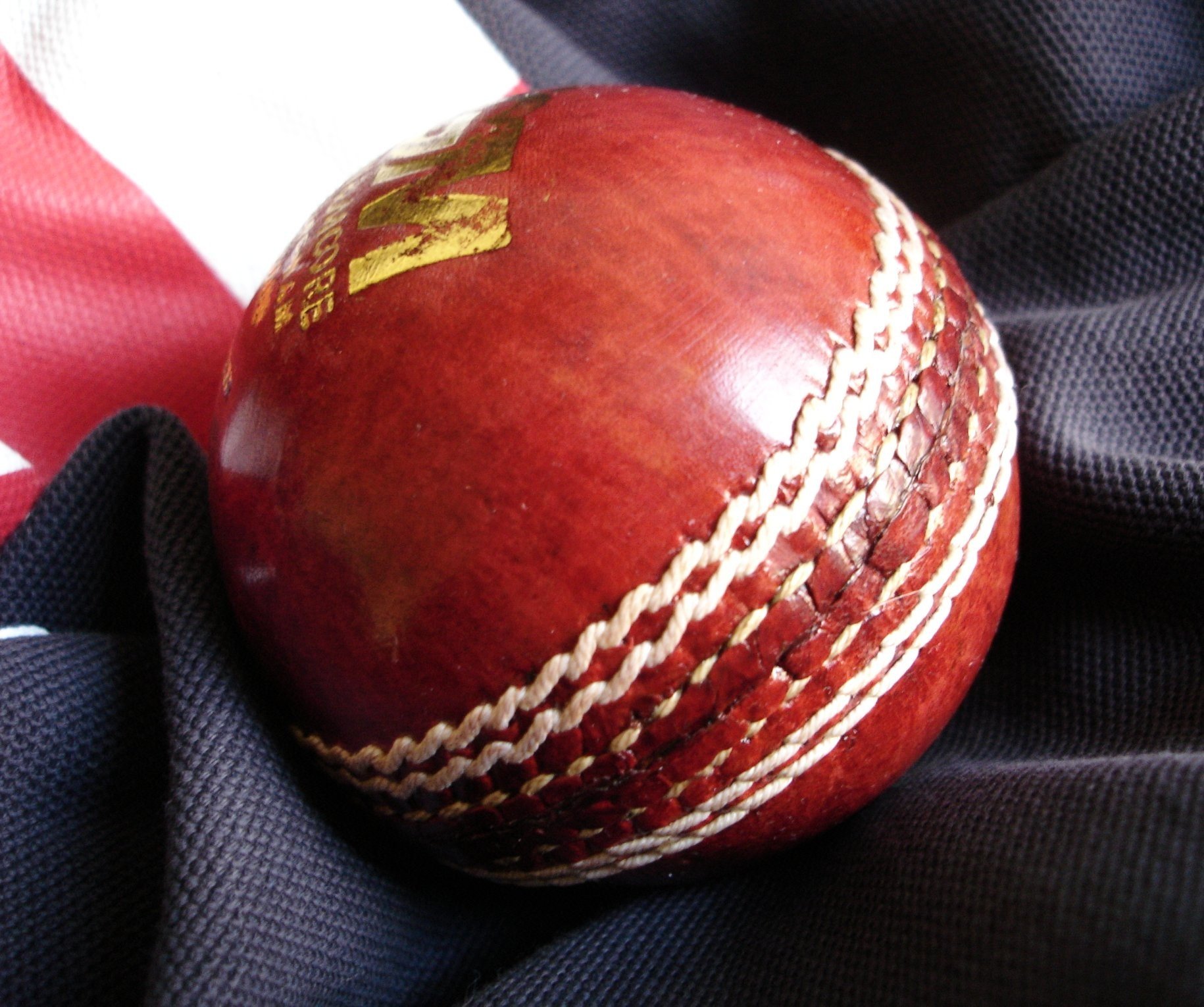
Eight years on, the sandpaper still won’t wash off.
The ball-tampering scandal that humiliated a nation in Cape Town has returned to the centre of Australian sport.
Friendships forged over decades in Test dressing rooms are cracking under the strain, and the governing body has now conceded it can no longer pretend the wound has healed.
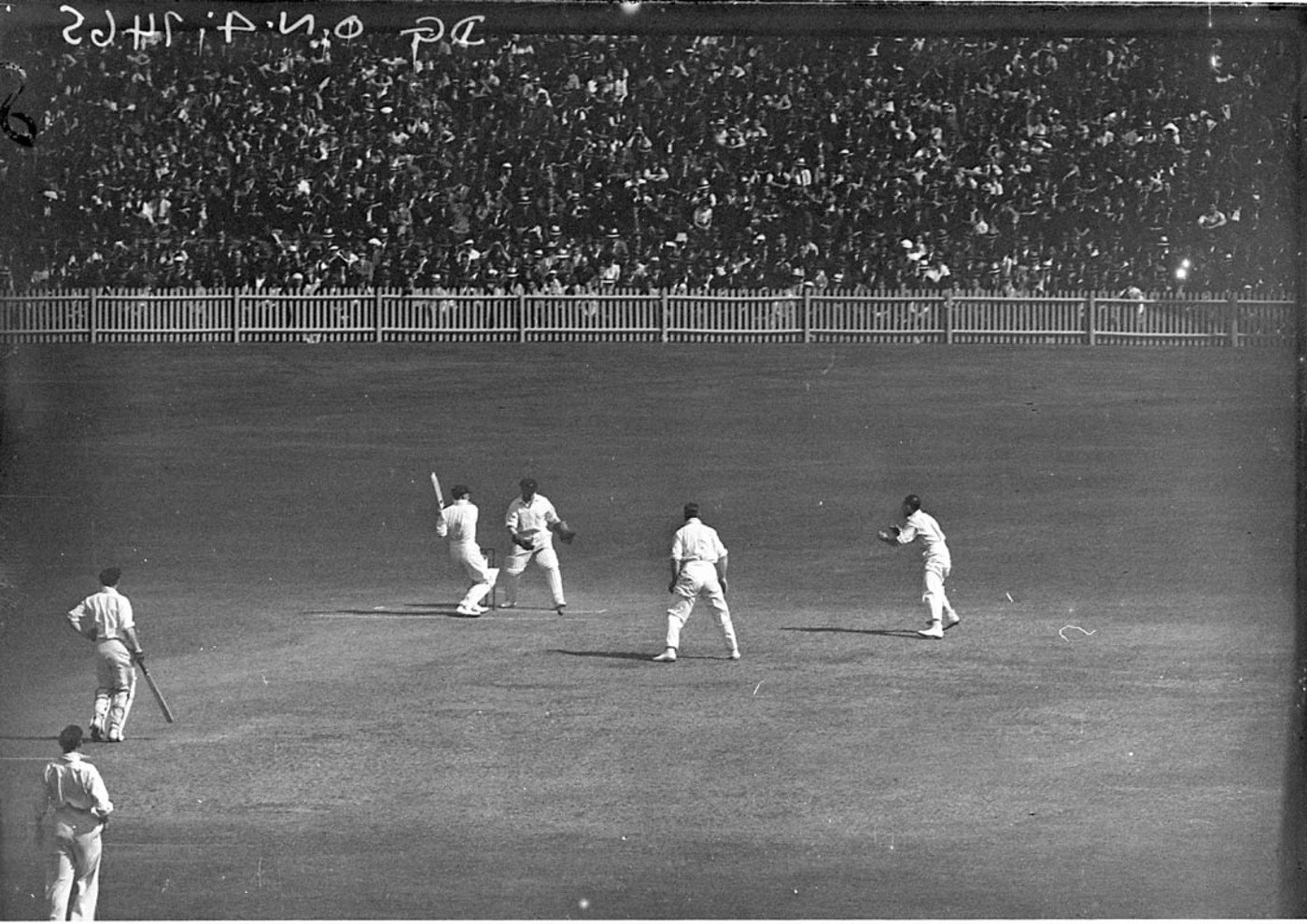
Cricket Australia’s answer is a confidential forum, an amnesty for those who speak, and a hope that honesty might achieve what eight years of silence could not.
Interim chair David Boon announced the move on Wednesday, after the board met the previous evening. He addressed fans directly, saying the decision was made in the best interests of the game.
The process will give players and staff who toured South Africa in 2018 the chance to tell their side of the story. Boon called it a “circuit-breaker”.
He insisted it was not a reopening of old cases but a chance for people to be heard in a respectful setting. He also spoke, as a former Test player himself, about the lifelong bonds cricket is supposed to create.
A King’s Counsel or retired judge will lead the forum, which could be completed before the end of the year. Participation is voluntary.
Greenberg said anyone who takes part may raise “anything and everything”, and he urged them to be as specific as possible because vague recollections are hard to act on.
There is a significant catch. The board will decide later whether the findings are made public.
Greenberg said the intention is to release them but stopped short of a guarantee.
Only last week, the chief executive had ruled out a fresh investigation.
That position shifted after Khawaja’s explosive account of the tour triggered a fortnight of claims and counter-claims, and after Cummins revealed that his relationship with his long-time teammate had been badly damaged.
Greenberg did not hide how serious the damage is.
He described players who had shared dressing rooms for years now being under “enormous strain”, and said the governing body had a duty to find a way through.
To understand why this is happening now, you have to go back to March 2018 and the third Test at Newlands. Bancroft was caught on camera using sandpaper on the ball.
The images went around the world within minutes, and the Australian public reacted with fury.
Cricket Australia’s investigation concluded that only Bancroft, captain Smith and vice-captain Warner knew about the plan. Smith and Warner were banned for 12 months and Bancroft for nine.
Warner was also barred from leadership roles, a sanction that hung over him for years.
The independent Longstaff review that followed, conducted by The Ethics Centre, delivered a harsh verdict on the culture inside Australian cricket, including the governing body itself.
Greenberg has now openly accepted that Cricket Australia’s own culture played a part.
The central question has never gone away. Did the bowlers know?
Greenberg pointed to the consistent accounts given since 2018 by Cummins, Mitchell Starc, Josh Hazlewood and Nathan Lyon. Khawaja’s recent comments have revived the debate anyway.
Khawaja has argued that Warner escaped any sanction from the International Cricket Council because he did nothing wrong.
He has also said he made a promise to Warner in 2020 to tell the full story, while insisting Warner had no influence over what he eventually published.
Warner has backed Khawaja’s account as “100 per cent correct”. He has accused Cricket Australia of a cover-up and called the original inquiry “rushed and botched”.
Analysis: What This Means for Australia
This is no longer just a cricket dispute. It has become a test of whether one of the country’s most important cultural institutions can face its past without falling apart.
For many Australians, the Test team is more than a sporting side. It is a symbol of national character.
Cape Town damaged that symbol, and the Sandpapergate saga has shaped how a generation of young players and grassroots clubs think about integrity in sport.
The governance stakes are also high. A forum that can’t compel witnesses and may never publish its findings risks looking like damage control rather than accountability.
If it is seen that way, public trust in sports integrity could suffer further at a time when sponsors and broadcasters watch reputational risk closely.
There is a team problem too.
A fractured relationship between the Test captain and one of his most senior former teammates is a distraction no national side needs, especially with major series such as the Ashes always looming.
Governance observers say the decision to offer immunity is shrewd but risky. Removing the threat of punishment may encourage people to speak openly.
It also means that if serious new revelations emerge, no one will face consequences, and that could anger fans who still believe the 2018 sanctions were never fully fair.
Sports administration insiders warn that the real danger is publication. If the board ends up controlling the final story, critics will say nothing has changed since 2018.
Khawaja made exactly that point on Fox Sports soon after the announcement. He welcomed the forum but said he wished it had come sooner.
He agreed that further sanctions would undermine the idea of a safe space.
His main concern was that the full truth can only come out if everyone speaks, support staff included, and that it makes little sense for the board to decide what is released.
Otherwise, he said, the sport risks going around in circles.
Warner said he respected Greenberg and Boon and appreciated the acknowledgement that team culture was a factor. He still asked whether the “safe space” would really be safe, and whether the public would ever get the truth.
Greenberg has openly admitted he does not know whether the forum will satisfy either man. He said it is not about appeasing individuals but about helping the game move on.
He also appears to hope Warner will choose this process over a tell-all book.
Khawaja says he still has a good relationship with Greenberg. If that changes, he says, it is a small price to pay for speaking out.
He finished with the principle he believes was lost in Cape Town: a team wins together, loses together, and takes risks together. If the forum can bring that back, he says, Australian cricket might finally move on.