
‘Godmother’ of Israel’s Settler Movement Daniella Weiss Hit With Australian Sanctions as Albanese Government Escalates Diplomatic Clash Over West Bank Land Grab
- Firebrand settler leader Daniella Weiss, who once suggested Palestinians should be scattered to Africa and Europe, now faces a travel ban and asset freeze under Australian law
- Any Australian who does business with her or her Nachala group risks heavy fines and possible jail time
- Canberra has drawn a line through the contentious E1 project, which critics warn would split the West Bank in two and bury hopes of a Palestinian state
- The move lands just one day before Israel’s caretaker government is due to make final decisions on the settlement
Australia has fired a fresh and pointed shot in one of the world’s most bitter territorial disputes.
For decades, Daniella Weiss has stood at the front of a movement that has pushed Israeli homes, outposts and fences deeper into occupied Palestinian land. Supporters treat her as a matriarch.
Opponents regard her as the public face of a campaign of displacement.
Now, the woman many call the godmother of the settler movement is formally unwelcome in Australia, and anyone here who helps her could face prison.
Foreign Minister Penny Wong announced on Tuesday morning that Mrs Weiss, along with the advocacy group she founded and still runs, Nachala, had been added to Australia’s sanctions list.
She is one of three individuals named. The other two, Eilav Libi and Itamar Yehuda Levi, run building and demolition businesses operating in the occupied West Bank.
Four organisations have also been listed: Nachala, Mr Levi’s firm Eyal Hari Yehuda Company, the Amana Settlement Association and Hashomer Yosh.
Senator Wong said those targeted were involved in illegal settlement expansion and human rights abuses against Palestinians.
In a statement, she accused them of taking an active role in planning, coordinating and establishing new settlements, including fundraising, recruiting volunteers and backing violent settlers.
The penalties are severe. Any assets the individuals and groups hold in Australia will be frozen.
The three named individuals are banned from entering the country. And it is now a criminal matter for Australians to deal with them, with hefty fines and potential jail terms on the table.
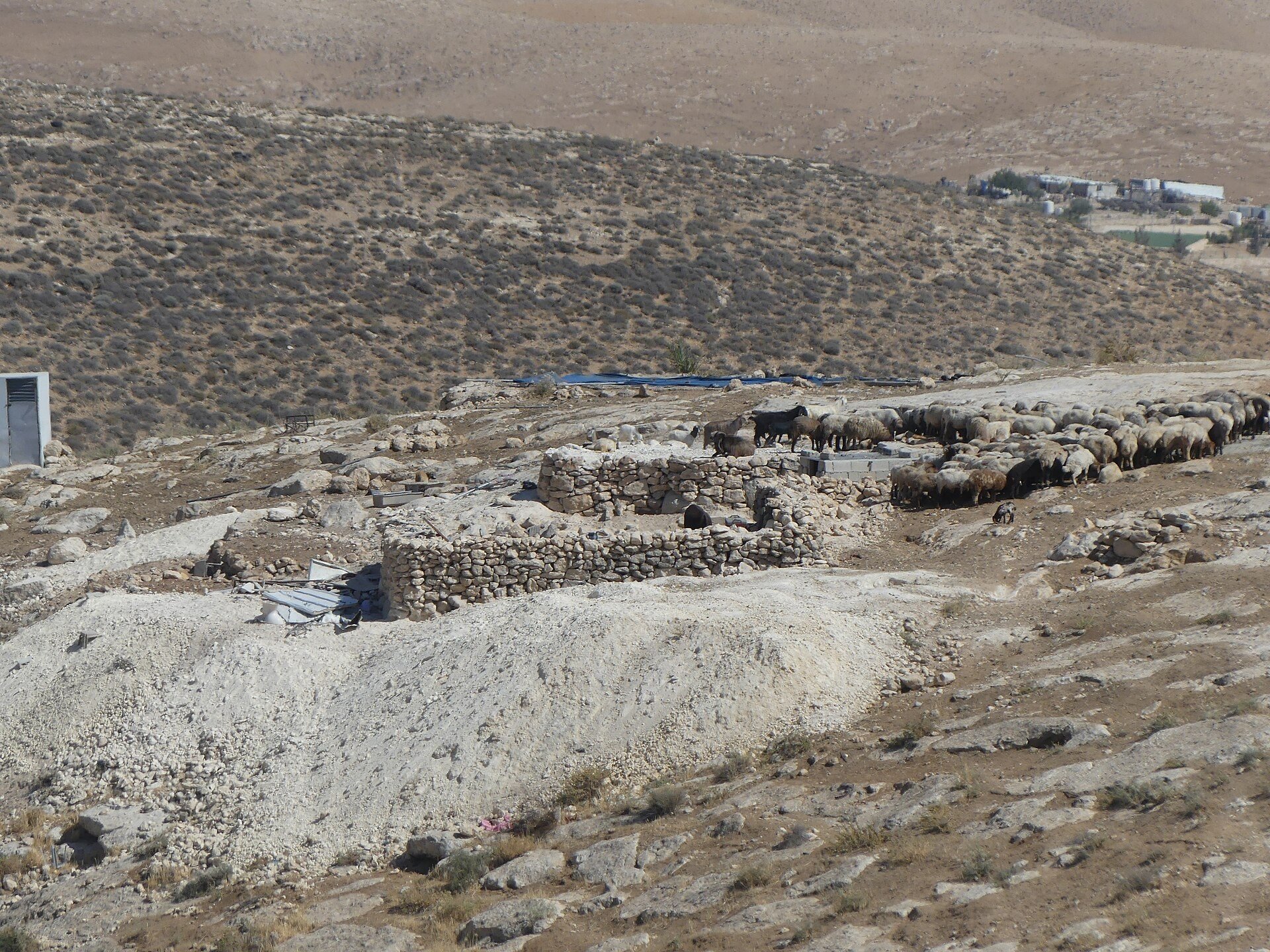
At the centre of Canberra’s concern is E1, a long-contested development east of Jerusalem. The minister pointed to recent demolitions and the displacement of Palestinian residents linked to the project.
Speaking to ABC Radio National, Senator Wong said the United Nations had recorded a rise in settler attacks during October. She noted that Israel’s caretaker government was expected to make final decisions on E1 on November 19, and urged Israel to abandon the plan.
Israel had not responded to the announcement at the time of publication.
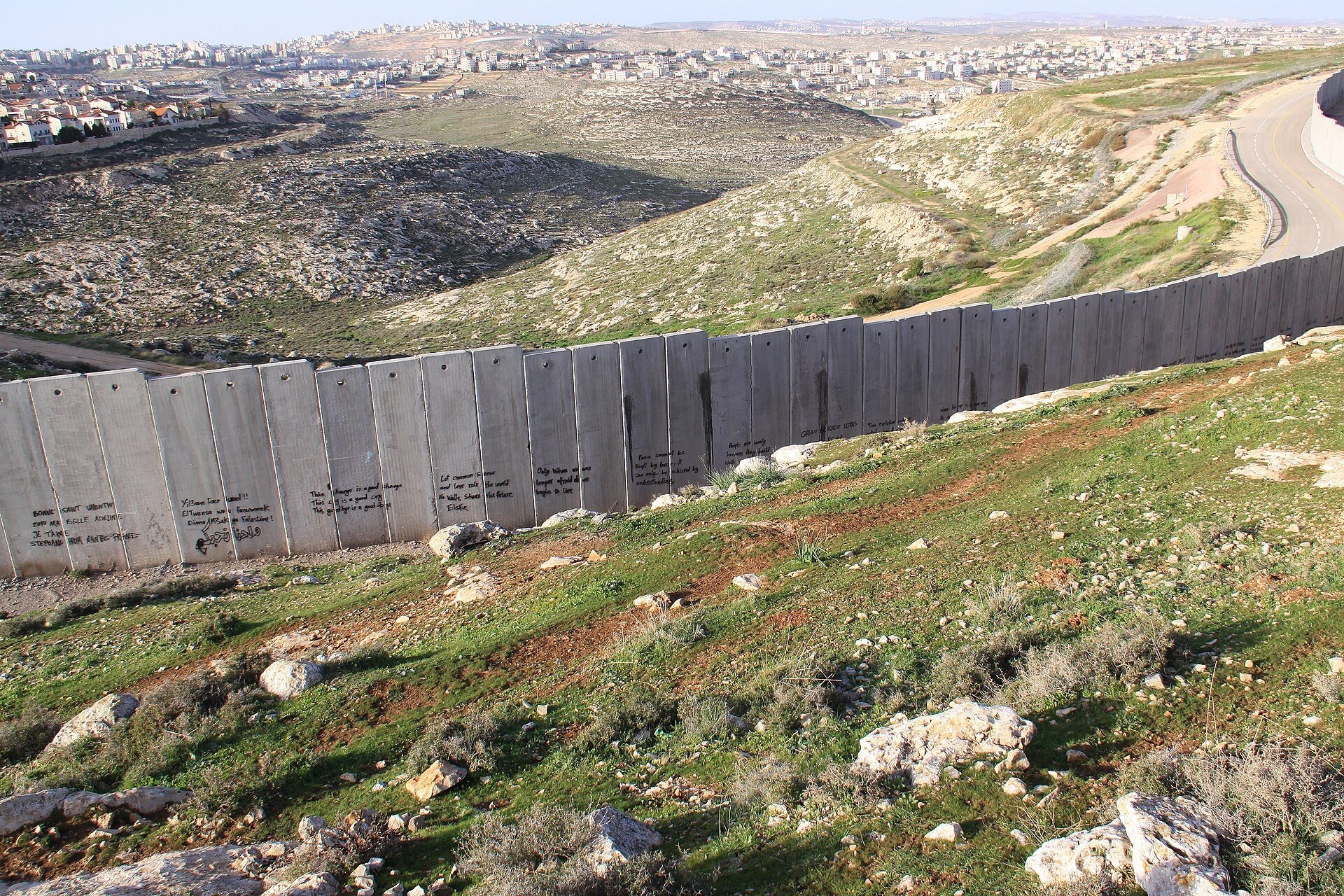
To understand why E1 matters so much, look at a map. Opponents have fought the project for years because it would effectively carve the West Bank into two separate pieces, severing the north from the south.
Critics say that is precisely the point.
A divided territory makes a viable, connected Palestinian state almost impossible, and Australia joined a group of nations in formally recognising Palestinian statehood in late 2025.
More than 750,000 settlers now live in the West Bank and occupied East Jerusalem. Under international law, those settlements are considered illegal.
Israel rejects that position, insisting it has a right to settle the land it calls by the biblical names Judea and Samaria.
Mrs Weiss’s ambitions stretch far further.
Nachala’s logo depicts a biblical vision of a “greater Israel” sweeping from Egypt’s Sinai peninsula through modern Israel, the Palestinian territories, Lebanon, Syria and Jordan, and into parts of Iraq and Saudi Arabia.
That vision goes well beyond official Israeli policy. Yet members of Prime Minister Benjamin Netanyahu’s right-wing coalition have publicly supported her calls for expanded settlement in both the West Bank and Gaza.
In her most recent interview with the ABC, Mrs Weiss argued for Israelis to settle Gaza and for its Palestinian population to be dispersed abroad, listing destinations including Africa, Scotland, England and the wider world.
Asked whether that amounted to ethnic cleansing, she described it instead as a historic turning point.
Meanwhile, violence on the ground has escalated. The UN and other bodies say settler attacks on Palestinians, including assaults, arson, vandalism and shootings, have hit record levels.
The Netanyahu government has been accused of allowing the violence to spread and of downplaying it as the work of a small number of troubled young men.
Analysis: What This Means for Australia
This is no symbolic slap on the wrist. Tuesday’s decision cements Australia’s shift from cautious ally to active critic on the settlement question, and it carries real consequences at home.
The Albanese government had already sanctioned two senior Netanyahu ministers last year: far-right national security minister Itamar Ben-Gvir and Finance Minister Bezalel Smotrich, both settlers themselves, over their policies and rhetoric towards Palestinians.
Israel retaliated after Australia recognised Palestine and blocked Israeli politicians from entering on character grounds, cancelling the visas of Australian diplomats accredited to the Palestinian Authority.
Further countermeasures cannot be ruled out.
For Australian businesses, charities and donors, the message is blunt: due diligence now matters.
Funds flowing through community networks to settlement projects could expose individuals to criminal liability, placing new pressure on regulators including Department of Foreign Affairs and Trade and Australian Federal Police.
Domestically, the stakes are emotionally charged. The Middle East conflict has fuelled tension across Australian communities, and debates over social cohesion and antisemitism and Islamophobia remain raw.
Any foreign policy move in this space reverberates in suburbs from Sydney to Melbourne.
Australia is also now firmly in lockstep with key partners. Britain sanctioned Mrs Weiss last year and the European Union followed earlier in 2026.
On Tuesday, London unveiled fresh measures against settlers and construction companies, prompting Israeli Foreign Minister Gideon Sa’ar to condemn them as hostile and to promise retaliation.
Canberra’s path there was not smooth.
In September, Senator Wong said Australia was weighing its own measures but would not join a British-led push at that stage, and the ABC later revealed Australia had withdrawn at the eleventh hour.
Diplomatic observers say the timing is deliberate.
Western sources in Israel had flagged last month’s Israeli election, and the prospect of a change in government, as a window to reset how countries approach the settlement issue.
Security analysts say coordinated sanctions from multiple allies are far harder to dismiss than isolated moves, and that the listing of construction firms targets the practical machinery of expansion, not merely its rhetoric.
Law enforcement insiders warn the challenge will be enforcement. Tracing indirect donations and offshore links is complex, and authorities will be watching for attempts to route money through intermediaries.
Foreign policy observers believe Israel’s response could test relations further, particularly with diplomatic channels already strained by last year’s visa cancellations.
Others note Australia has chosen its moment carefully, acting on the eve of a decision that could permanently redraw the West Bank. Whether Israel’s caretaker leaders heed the warning will become clear within hours.