
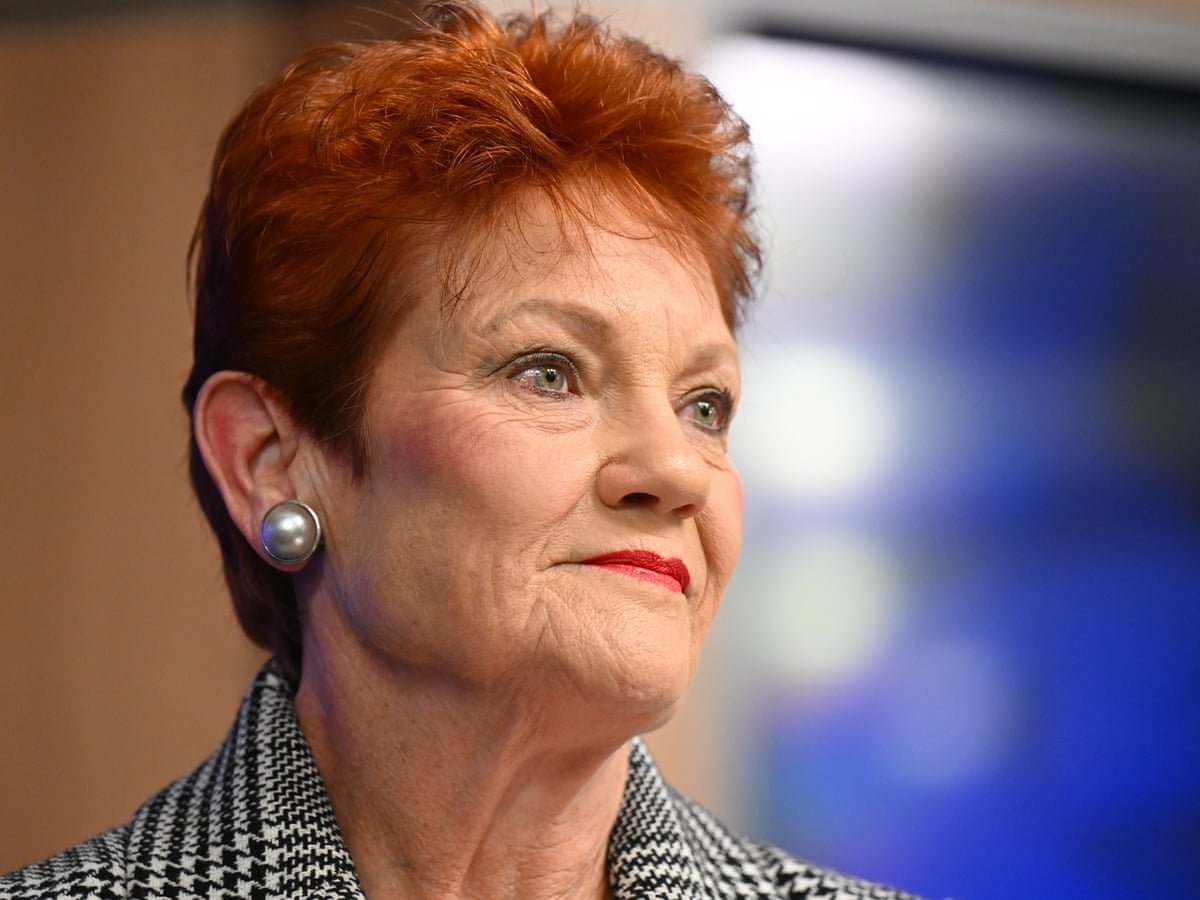
One Nation Powerbroker James Ashby Refuses To Rule Out Bombshell Tilt At Capricornia As Nationals Leader Matt Canavan Circles Michelle Landry’s Vacated Coal Country Seat
- Pauline Hanson’s most trusted lieutenant says business owners and locals have been urging him for months to run for the central Queensland seat
- The move sets up a possible showdown with Nationals leader Matt Canavan, who is weighing a jump from the Senate to the lower house
- A new Newspoll has One Nation on 28 per cent, a single point behind Labor and well ahead of the Coalition on 20 per cent
- Michelle Landry’s retirement leaves one of the Coalition’s regional strongholds suddenly up for grabs
For more than a decade, Capricornia has been a safe bet for the Coalition. That certainty may have just evaporated.
The central Queensland electorate, stretching across Rockhampton, the Capricorn Coast and some of the nation’s most important mining country, is now the scene of what could become the most fascinating contest of the next federal election.
And at the centre of it is a man who has spent years as the strategist behind the throne of Australia’s most polarising political movement.
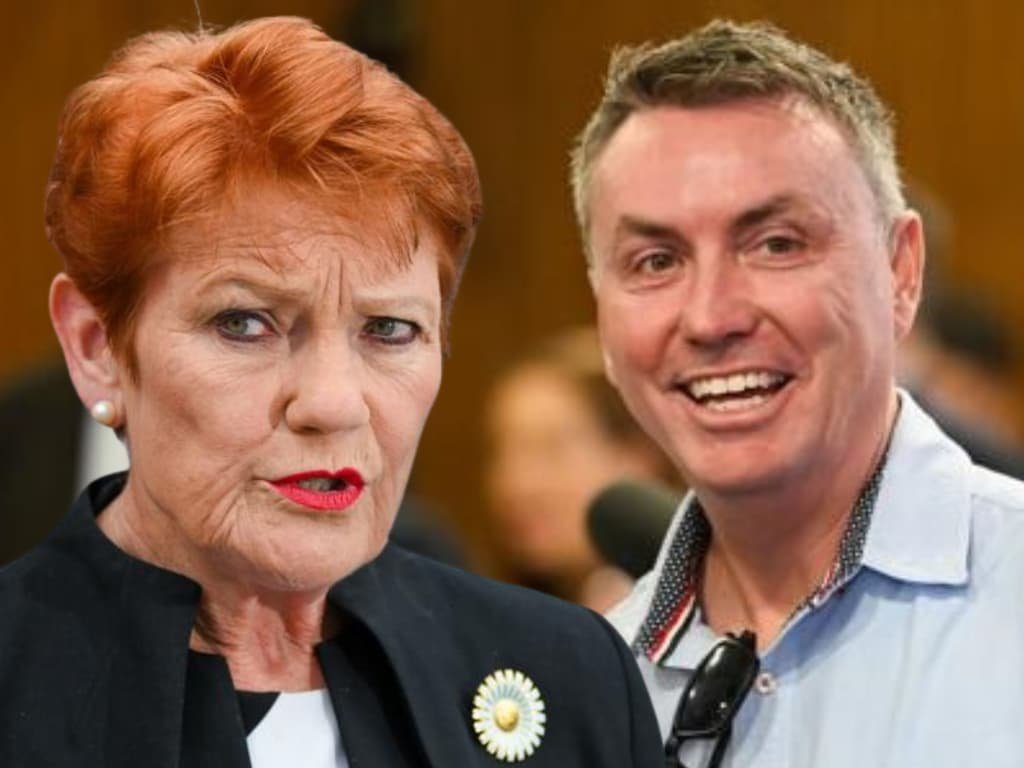
James Ashby, the national director of One Nation and longtime right-hand man to Senator Pauline Hanson, has confirmed he is seriously contemplating a run for the seat.
Speaking to the ABC, Mr Ashby said a significant number of local business figures and community members had approached him in recent months, pressing him to put his name forward.
He said he had promised to give their request genuine consideration, and for that reason he was not ruling anything out. But he stressed the final call would rest with the party’s Capricornia branch, not with him.
The revelation follows Friday’s announcement from veteran LNP MP Michelle Landry that she will not recontest the seat when Australians next head to the polls.
Her departure immediately opened a door for Nationals leader Matt Canavan, a senator who has long been tipped to seek a place in the House of Representatives.
Senator Canavan has so far declined to confirm whether he will chase LNP preselection, saying only that the party will make an announcement at the appropriate time.
Mr Ashby is no stranger to the region or to the campaign trail. He lives on the Capricorn Coast and stood for the state seat of Keppel at the 2024 Queensland election, falling short.
Before taking on the role of national director, he served as Senator Hanson’s chief of staff, and the pair remain among the closest political allies in the country.
Earlier this month they appeared together at the Australian Conservative Political Action Conference in Brisbane.
Timing is everything in politics, and Mr Ashby’s flirtation with Capricornia could hardly come at a more potent moment for his party.
One Nation’s national primary vote has surged dramatically.
The latest Newspoll, reported on Thursday, placed the party on 28 per cent, trailing Labor by just one point on 29 per cent and comfortably clear of the Coalition, which languished on 20 per cent.
That is an extraordinary position for a party that has spent much of its history on the fringes, routinely dismissed by the major parties as a protest vehicle.
The groundwork in Capricornia has also been building.
At the 2025 federal election, One Nation attracted 15.5 per cent of the primary vote in the seat, even as Ms Landry held on for the LNP.
Earlier this year, Senator Hanson revealed the party was exploring opening an electorate office in Yeppoon, a clear signal that One Nation sees central Queensland as fertile ground for expansion.
With Ms Landry’s personal vote now out of the equation, that 15.5 per cent base looks far more dangerous to the Coalition than it did a year ago.
Analysis: What This Means for Australia
Capricornia is not just another electorate.
It sits at the heart of Queensland’s resources economy, where questions of coal mining, energy policy and the cost of living are lived realities rather than abstract talking points.
Whoever wins the seat will carry the voice of thousands of workers whose livelihoods depend on mining, agriculture and the supply chains that feed them.
A contest between the Nationals leader and One Nation’s chief strategist would effectively become a referendum on which party regional Australians trust to defend those jobs.
For the Coalition, the stakes could barely be higher.
If the leader of the Nationals were to enter the race and fail, or be forced into a bruising preference battle in a seat his side has long counted as its own, the damage to the party’s standing in the bush could be profound.
For the nation more broadly, the rise of One Nation in polling signals a deep fracture in traditional voting patterns.
Communities that once reliably backed the major parties are increasingly signalling frustration with federal politics, and that discontent is being channelled into a party that promises to shake up the establishment.
The social consequences are equally significant.
A One Nation victory in a seat like Capricornia would hand the party a foothold in the lower house of parliament that it has struggled to secure, potentially reshaping debates on immigration, energy and regional investment.
The official tally of how close the contest becomes will ultimately rest with the Australian Electoral Commission, but the political temperature is already rising.
Political observers say the emergence of Mr Ashby as a possible candidate is a calculated test of how far One Nation’s polling surge can translate into real seats.
Strategists familiar with Queensland campaigning believe Capricornia is precisely the type of electorate where One Nation could convert protest votes into a genuine win, particularly with a high-profile local figure on the ballot.
Coalition insiders warn privately that a three-cornered fight involving the LNP, Labor and One Nation could make preferences decisive, turning what was once a straightforward hold into an unpredictable scramble.
Others caution that Mr Ashby’s failed bid for Keppel shows local name recognition does not guarantee victory, and that a candidate of Senator Canavan’s stature would bring formidable resources and a strong personal brand in regional Queensland.
Analysts also note that a party’s national polling does not always flow evenly into individual seats, and that the Newspoll figures will be tested against hard on-the-ground campaigning.
For now, neither man has formally committed. Senator Canavan is keeping his cards close to his chest, while Mr Ashby insists the decision belongs to the local branch.
But one thing is clear.
The quiet retirement of a long-serving MP has triggered a contest that could tell Australia a great deal about where its voters, and its politics, are heading next.