
‘They Won’t Believe It Until They Ride It’: Minns Bets $6.8 Billion on Fixing the South Coast Rail Line After 20 Years of Broken Promises and a Humiliating Timetable Backflip
- Labor has pledged $6.8 billion to finally electrify the line to Bomaderry, a promise the party first made at the 2005 state election.
- The commitment came just 48 hours after the government abandoned a timetable overhaul that infuriated commuters with longer journeys and the loss of a Wolli Creek airport link.
- Some travellers face three-and-a-half-hour trips with three changes just to reach family on the South Coast.
- There will be no short-term relief: commuters will wait until the mid to late 2030s for construction to finish.
For two decades, residents of the Shoalhaven have watched the overhead wires stop dead at Kiama.
Beyond that point, every passenger bound for Nowra has had to step off an electric train, haul their bags across a platform and climb aboard a diesel service.
It is a ritual that has come to symbolise the region’s place in the pecking order of New South Wales politics.
Now the Minns government says it will end that indignity. The question gripping the South Coast is whether anyone still believes it.
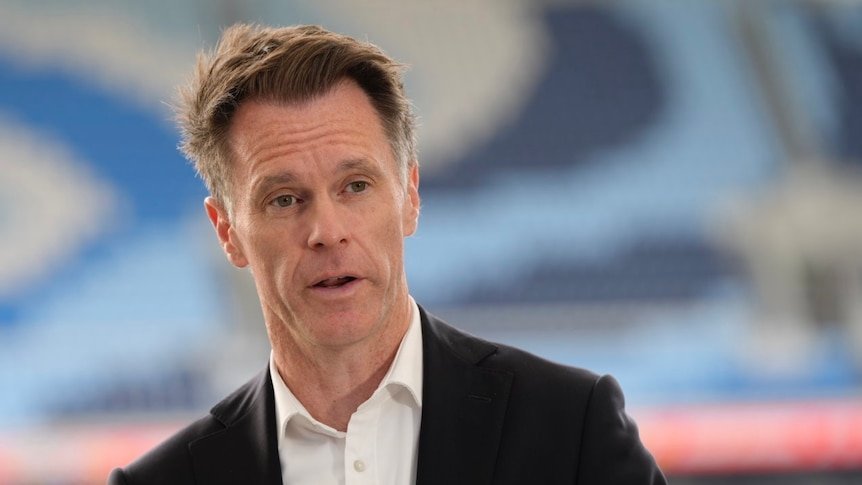
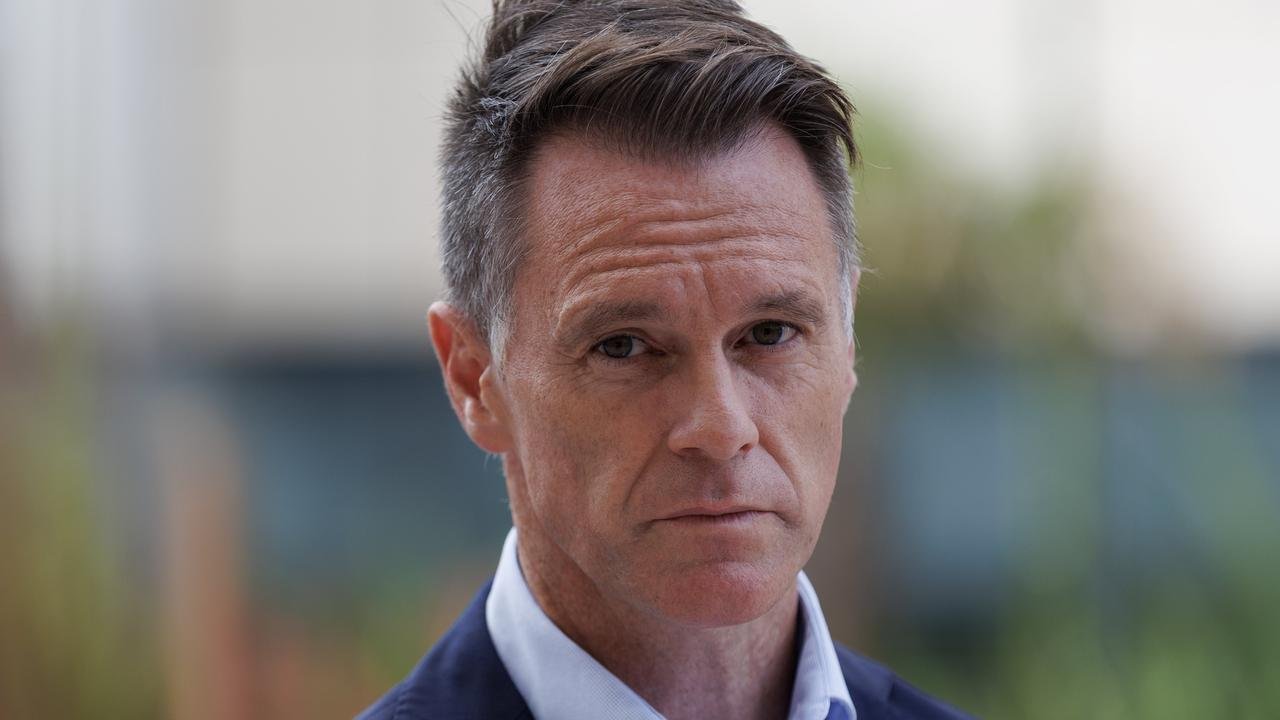
Premier Chris Minns travelled to Bomaderry to unveil a $6.8 billion South Coast Rail Plan, which he will take to voters at the state election next year.
The centrepiece is electrification of the stretch between Kiama and Bomaderry, allowing passengers to ride from Sydney to Nowra without changing trains.
The package goes further.
It includes additional tracks and passing loops between Wollongong and Kiama, plus duplication of the corridor between Hurstville and Sutherland so that freight and passenger trains no longer compete for the same rails.
Transport Minister John Graham singled out that separation as the key to unlocking more services. He said the shared tracks were a genuine bottleneck, and splitting them would allow frequency to lift right along the line.
Planning is slated to begin in 2027. Completion is forecast for the mid to late 2030s.
Folded into the headline figure is $621 million for early works, some of which is already under way after being funded in the latest state budget through the Illawarra Rail Resilience Plan.
Minister for the Illawarra Ryan Park called the upgrade a “must-have”, pointing to forecasts that patronage on the line will climb by close to 30 per cent by 2041.
The timing of the announcement is impossible to ignore.
Only two days earlier, the government tore up its planned November timetable after a fierce commuter revolt.
That overhaul promised more frequent T4 and South Coast trains, but at a steep price: longer travel times for many and the loss of a direct connection to the airport at Wolli Creek.
Mr Park confirmed no alternative short-term fixes were on the table. The big upgrade, he said, is now the priority.
That leaves Illawarra and Shoalhaven commuters facing more than a decade of the status quo before the promised transformation arrives.
The history of this project reads like a catalogue of political disappointment. Labor first pledged electrification to Bomaderry at the 2005 election.
It never happened.
Ahead of the 2019 poll, then-Liberal incumbent Gareth Ward championed his own version of the upgrade. That proposal was shelved in 2023, abandoned by both the incoming Labor government and the opposition.
Mr Minns acknowledged the scepticism head-on, conceding that some locals will only accept the promise is real when they are physically sitting on an electric train departing Bomaderry.
He said he hoped to borrow credibility from other projects his government had pledged and delivered.
South Coast Labor MP Liza Butler framed the commitment as a turning point, arguing the region had been neglected while funding poured into Sydney Metro, and declaring that era over.
Analysis: What This Means for Australia
This is not merely a story about wires and sleepers. It goes to the heart of how Australia’s fastest-growing regional corridors are serviced as Sydney’s housing crisis pushes families further from the city.
The Illawarra and Shoalhaven have absorbed waves of residents priced out of the capital. Many still work, study or seek medical care in Sydney.
A slow, fragmented rail link effectively taxes them in time, adding to the cost of living pressures already squeezing households.
The freight dimension carries national weight. The Hurstville to Sutherland corridor serves goods moving to and from Port Kembla, a strategically significant port.
When freight and commuter trains jostle for track space, both suffer. Separating them could improve supply chain reliability while giving passengers more trains.
There is also a resilience question. The line has a long record of disruption from landslips, storms and flooding along the escarpment.
A network with more tracks and passing loops is better able to recover when something goes wrong.
For communities, the human cost of the present system is stark.
At Bomaderry Station, passenger Fran described trips from the airport to see her grandchildren that stretch to three and a half hours and require three changes.
Fellow traveller Denis said the upgrade seemed sensible and probably should have happened long ago.
Rod Watson, a regular on the line visiting family in North Nowra, described the service as extremely busy and called the plan excellent.
Yet the political reality cuts both ways.
A completion date in the mid to late 2030s sits two or three election cycles away, leaving ample room for future governments to delay, rescope or cancel, exactly as happened before.
Infrastructure analysts say the critical test will be whether funding is locked into forward estimates rather than left as an aspiration. Long-dated rail promises, they note, are notoriously vulnerable to cost blowouts and changes of government.
Transport observers believe the Hurstville to Sutherland duplication may ultimately deliver the biggest benefit, freeing capacity across the network rather than just at its southern tip.
Some warn that this element is also among the most complex and costly to build in a dense suburban corridor.
Political strategists point to the clumsy timetable reversal as context.
Announcing a multibillion-dollar vision days after an embarrassing backdown, they say, is a familiar way to shift the conversation, though it will not ease the frustration of commuters stuck with today’s timetable.
Unions have welcomed the pledge.
Rail Tram and Bus Union president Craig Turner said the project would generate hundreds of jobs during construction and beyond, as more trains would demand more crews.
He noted unions had campaigned for the upgrade for decades.
Regional advocates say the true measure of success will be simple: the day a passenger boards at Central and steps off at Bomaderry without changing trains.
Until then, for many on the South Coast, it remains just another promise.