
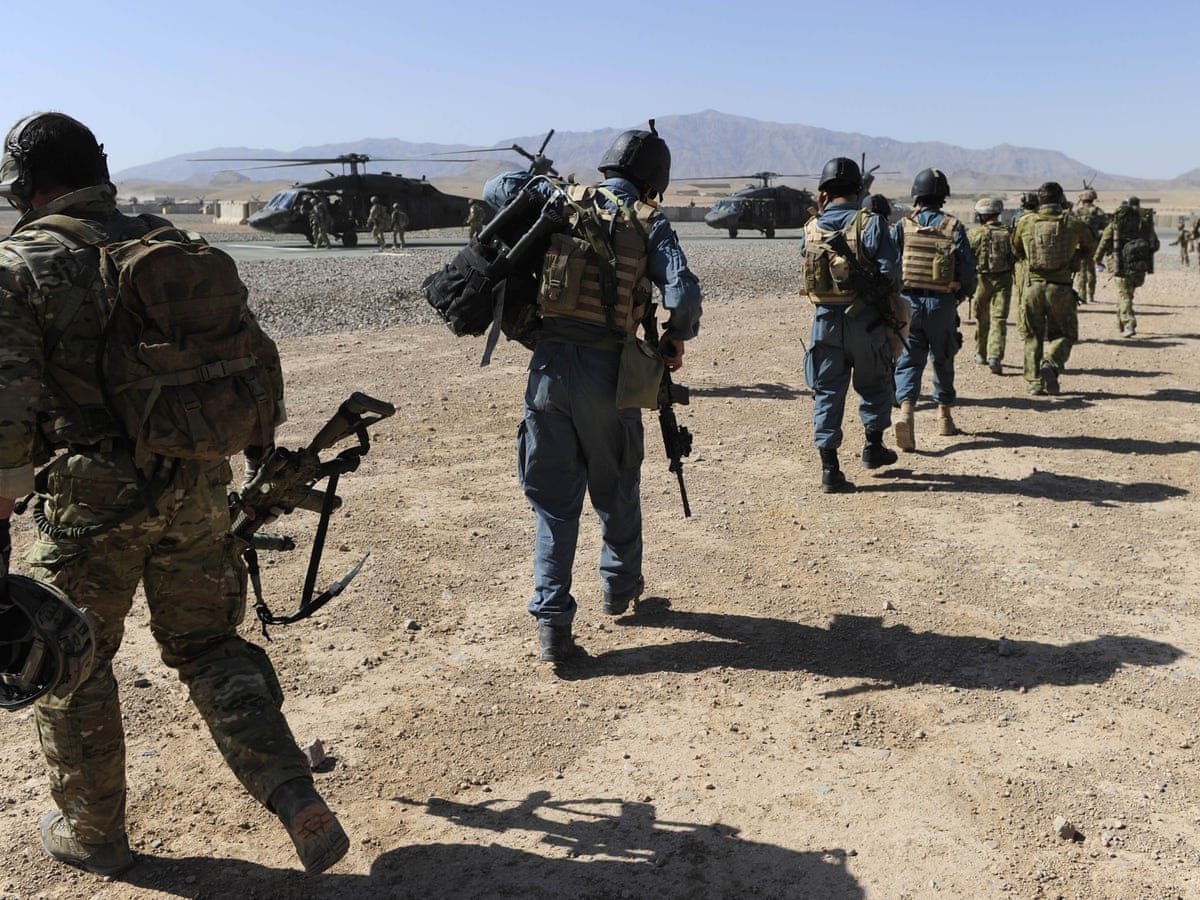
‘Abandonment of Curiosity’: Secret Defence Report Finds SAS Chain of Command Was ‘Inverted’ and Top Brass Ignored Alarming Kill Data as Alleged War Crimes Unfolded in Afghanistan
- A long-buried inquiry finds junior officers were “effectively subservient” to the soldiers they were meant to command inside Australia’s most elite fighting unit.
- Higher headquarters had data showing rising enemy deaths, almost no wounded insurgents and few Australian casualties, yet no effective action was taken.
- Investigators describe a closed SAS culture “akin to a ‘bikie gang'”, with operators who saw themselves as “untouchable” and a secret bar on a base where alcohol was banned.
- The report was delivered in 2022, but only its executive summary has now surfaced. The full document will never be released.
The warning signs were there. They were measurable and recorded, and they crossed the desks of senior Australian commanders.
Almost nobody asked the obvious question.
That is the central finding of a secretive Defence inquiry into the culture of the Special Air Service Regiment during the war in Afghanistan. Its conclusions have finally been partly revealed, years after the report was quietly completed.
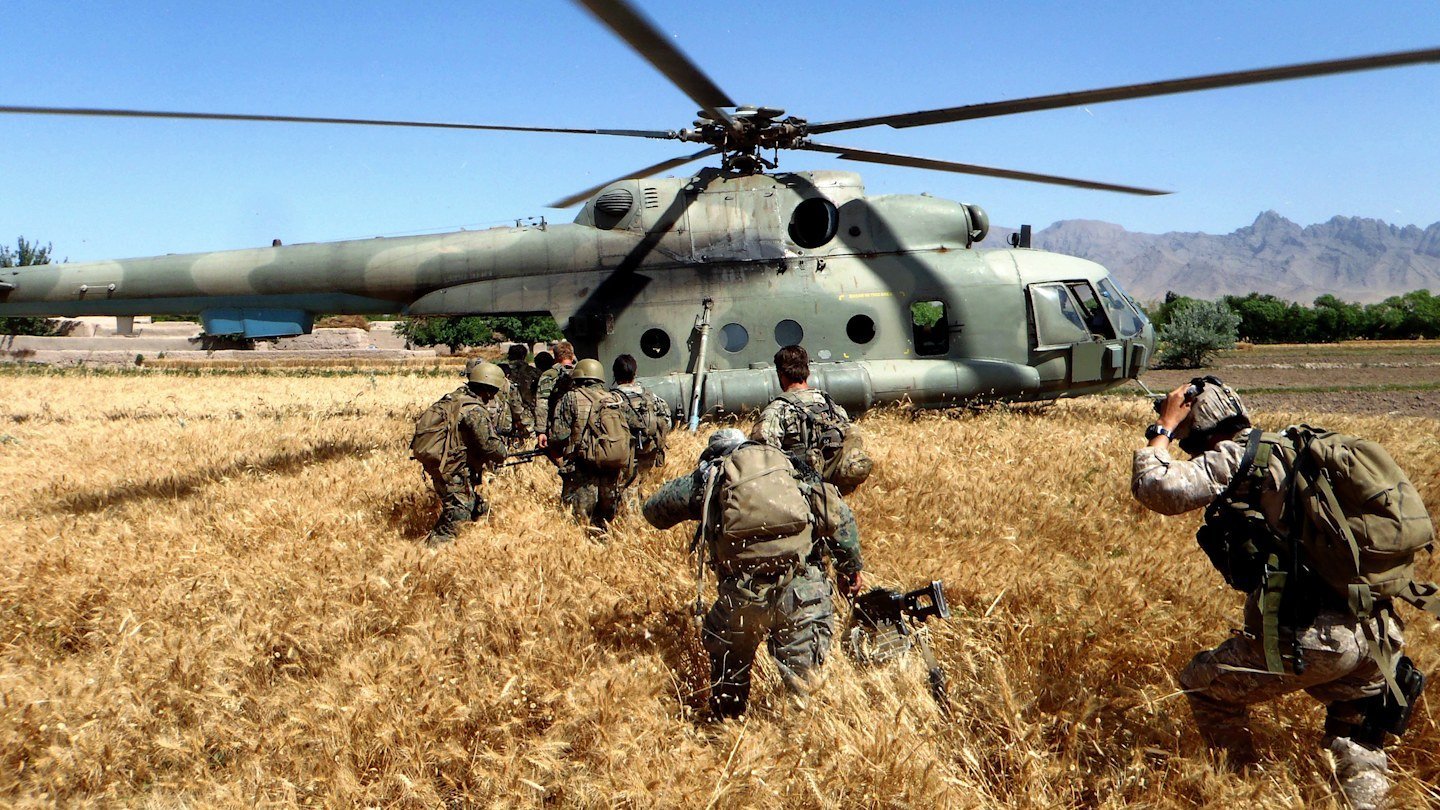
Investigators found an “abandonment of curiosity” at senior levels and an “inversion of authority” inside the regiment. Together, they helped create conditions in which alleged war crimes could occur.
For a nation that sent its finest soldiers to war in its name, the verdict is devastating.
The inquiry was handed to former Chief of the Defence Force Mark Binskin in 2022. Only now has an executive summary appeared online, with close to 50 findings.
The complete report will stay locked away because it contains sensitive evidence drawn from the earlier Afghanistan investigation.
At its heart is a stark accusation about leadership. Deep cultural problems ran through the SASR, and the failure to fix them pointed to “an absence of effective leadership at various levels”.
The inquiry found that information flowing from SAS units to higher command was subject to an “extreme limitation”. That restricted what senior officers could know.
But investigators refused to let headquarters off the hook. Enemy Killed in Action figures were climbing, with spikes over time.
The dead were almost never matched by wounded insurgents, and Australian casualties stayed remarkably low. By historical standards, the report said, parts of that data looked “most unusual”.
Some commanders noticed the numbers and the rumours that followed them. Others did not.
Given how serious those rumours were, the inquiry called it “extraordinary” that no effective action was taken. At the very least, it said, someone should have looked behind them.
To understand why this matters now, you have to go back to 2020.
That year the Inspector-General of the Australian Defence Force Afghanistan Inquiry, known as the Brereton report, found “credible evidence” of dozens of unlawful killings by Australian special forces.
It shook the nation’s faith in its military.
But it also drew fierce criticism. Brereton placed responsibility for the alleged crimes largely at relatively low ranks.
Many veterans, families and observers felt senior officers had escaped scrutiny for what happened under their command.
This follow-up inquiry was commissioned to test exactly that question.
It examined the culture of the deployed special forces units, whether it was causally linked to the alleged killings, and which red flags senior commanders should have caught.
What it found inside the regiment was alarming. Some operators believed they were “exceptional”, and that “ordinary norms and standards no longer apply”.
The report found a “tendency to arrogance”, an “unhealthy imitation” of American special forces and a sense among some that they were “untouchable”.
Operational decisions, it found, were at times shaped by a hunger for medals and the acclaim that comes with them. That included seeking out situations where heavy contact with insurgents was likely, and taking excessive risks for personal gain rather than mission success.
The normal military hierarchy was turned on its head. Junior officers deferred to the non-commissioned officers they were supposed to lead, with some choosing “mateship” over “leadership”.
Officers who pushed back found NCO networks quietly working to undermine them.
Senior officers knowingly tolerated drinking, despite clear orders banning alcohol. Investigators described a dedicated drinking establishment at Camp Russell, in an Islamic country, as “striking”.
The regiment itself was described as extremely homogeneous and closed off, likened by some to a “bikie gang” and intolerant of anyone not seen as “like us”.
Analysis: What This Means for Australia
The implications reach far beyond one regiment’s past. Australia’s national security depends on special forces that are lethal, disciplined and accountable to the chain of command.
When authority is inverted, the state loses control of its most dangerous instrument.
The report also points a finger upward.
It blames both the government of the day and Special Operations Command for promoting the SAS as “superior” rather than “specialist”, and it criticises the over-deployment of special forces.
Repeated rotations, the findings suggest, fed the elitism that allowed misconduct to take root.
For law enforcement, the stakes are live. The Brereton findings led to the creation of the Office of the Special Investigator.
Former SAS corporal and Victoria Cross recipient Ben Roberts-Smith was arrested and charged with war crimes this year, and he intends to fight the charges.
Former trooper Oliver Schulz is also before the courts on war crimes charges, which he is contesting. Both men are presumed innocent.
Then there is the human toll: on Afghan families, on soldiers who served honourably, and on public trust in the Australian Defence Force. Recruitment, alliance credibility and Australia’s standing on human rights all hang on whether lessons are truly learned.
Andrew Hastie, a former SAS captain and now a Liberal MP, welcomed the release in the name of transparency.
He told ABC Radio National that he “lived a lot of” what he read and that much of it rang true from his time as a junior officer.
In his view, the report confirms unlawful conduct occurred but spreads responsibility throughout the chain of command.
Security analysts say that shift is the most significant aspect of the findings. For years, critics argued the blame stopped too low.
This document says plainly that those higher up had data and rumours in front of them and failed to act.
Law enforcement insiders warn the executive summary alone will not settle the matter. With the full report withheld, questions about which commanders saw what, and when, are likely to linger.
They will shadow the war crimes trials still working through the courts.
Defence observers believe the findings should guide how Australia uses its special forces in future conflicts. That means firmer limits on deployment tempo, stronger officer authority and real scrutiny of battlefield statistics.
There is a sliver of hope. The inquiry noted that cultural reform was already underway inside the SAS as it finished its work, and it commended that effort.
Whether that reform endures will determine whether Australia’s elite soldiers are remembered for their courage, or for what the nation’s leaders chose not to see.