
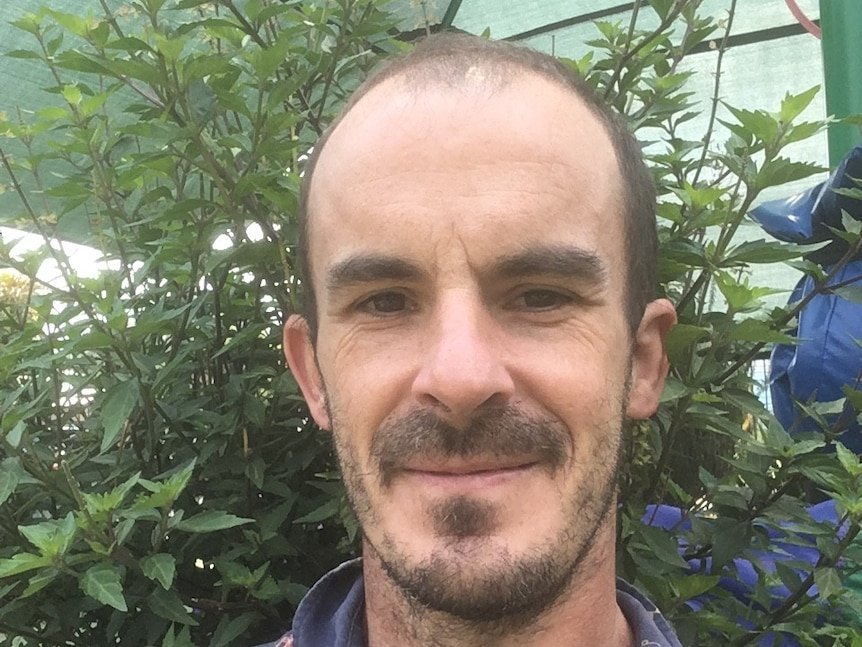
‘Horrific’: Notorious Childcare Paedophile Ashley Paul Griffith Hit With 202 New Charges Over Alleged Abuse of 23 Toddlers in Sydney as Families Face a Fresh Nightmare
- Ashley Paul Griffith, already serving life in Queensland, now faces 202 more offences over alleged abuse of 23 children aged one to five in Sydney’s inner west
- The alleged crimes span more than three years, from July 2014 to December 2017, while he worked with young children in Sydney
- Detectives spent nearly three years sifting through thousands of digital files to identify the children allegedly targeted
- The case reignites urgent questions over how a predator moved between states and childcare centres without being stopped
For two dozen Sydney families, the call they had long dreaded has finally come.
The man already branded one of Australia’s worst child sex offenders now stands accused of preying on their children too. Some of those children were barely old enough to walk.
Ashley Paul Griffith, 48, was formally charged on Friday morning with 202 child abuse offences after detectives arrested him inside Silverwater Correctional Complex in Sydney’s west.
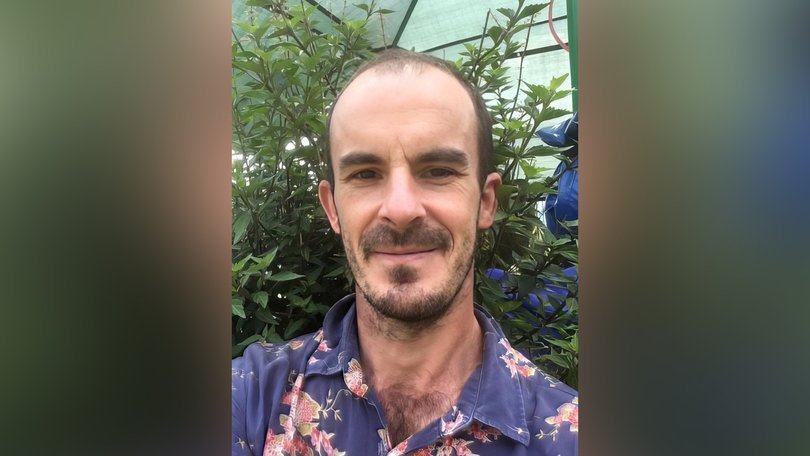
His arrest came just two days after he was moved across the border from Queensland, where he is already serving a life sentence for abusing dozens of little girls in childcare.
NSW Police allege Griffith sexually abused 23 children while working in Sydney’s inner west between July 2014 and December 2017. The alleged victims were aged between one and five.
The charge sheet makes for harrowing reading. It includes 68 counts of sexual intercourse with a child under 10 and a further 42 counts of the aggravated form of that offence.
He is also accused of 23 counts of producing child abuse material, along with aggravated indecent assault charges relating to children.
Detective Superintendent Linda Howlett, commander of the child abuse squad within State Crime Command, did not mince words when she addressed reporters on Friday. She described the allegations as horrific, saying there was simply no other word for them.
She stressed that the suffering extended beyond the children themselves to parents and relatives who had lived with uncertainty. Her hope, she said, was that laying charges would give those families some measure of closure.
The case was briefly mentioned in a NSW bail court on Friday. Griffith did not appear.
His Legal Aid lawyer, Bethany Burns, made no application for bail, which was formally refused. Judge Daniel Covington adjourned the matter until January.
The new charges are the product of a painstaking joint operation between the NSW Child Abuse Squad and the Australian Federal Police, which began in November 2022.
Police described the probe as lengthy and complex. Investigators forensically examined thousands of digital files and carried out exhaustive inquiries to put names to the children allegedly depicted.
That victim identification work is among the most gruelling tasks in modern policing. Each image can require weeks of cross-checking locations, dates and records before a child can be safely identified and their family approached.
Griffith’s name is already infamous.
In 2024, a Queensland court sentenced him to life imprisonment after he admitted to offences against 69 girls at early learning centres in Brisbane and in Italy, committed across roughly two decades.
The sentencing judge ordered that he serve 27 years before he could even be considered for parole, almost twice the statutory minimum in that state. It was a stark signal of the gravity of his crimes.
Queensland Corrective Services confirmed Griffith will stay in NSW until the legal process concludes. He will then serve his time in whichever state imposed the harsher penalty.
Analysis: What This Means for Australia
The Griffith case is no longer just a Queensland horror story. It is now a national one, and it exposes deep cracks in how Australia protects its youngest and most vulnerable citizens.
The central question is brutally simple. How did one man allegedly abuse children in early learning settings in two states and overseas, over such a long period, without being caught?
Australia’s patchwork of state-based working with children checks has long been criticised for failing to share information quickly across borders. A worker flagged in one jurisdiction has not always been visible to authorities in another.
The Griffith allegations sharpen that criticism considerably.
They arrive amid a wider reckoning in the childcare sector, after a string of disturbing cases in recent years shook parental confidence nationwide and pushed state and federal governments to promise tougher oversight.
For communities, the impact is profound. Millions of Australian parents rely on early childhood education so they can work.
Trust is the foundation of that system, and each new case erodes it.
There are economic consequences too.
Providers face rising pressure to install surveillance, tighten staffing ratios and overhaul screening, costs that may ultimately flow through to families already grappling with the cost of living.
For law enforcement, the case highlights both success and strain. The joint NSW and federal investigation shows what dedicated resources can achieve.
But it also took almost three years, underscoring the sheer volume of digital material police must now process in child exploitation cases.
Child protection advocates have repeatedly urged a single national register of childcare workers, mandatory reporting reforms and real-time information sharing between states. This case will add fresh weight to those calls.
Law enforcement insiders warn that offenders who target childcare settings often deliberately seek roles that grant unsupervised access to children who are too young to disclose what is happening to them.
That vulnerability, they say, is precisely why prevention cannot depend on children speaking up. It must rest on systems, supervision and screening that work.
Child safety analysts say the extraordinary age range of the alleged victims, one to five, should alarm every policymaker in the country. Many of these children may have no memory of what allegedly occurred, leaving digital evidence as the critical link to justice.
Sector observers believe the case will intensify pressure on governments to fast-track reforms already flagged, including better coordination between regulators such as the Australian Children’s Education and Care Quality Authority and state authorities.
Legal observers note that because Griffith is already serving life, the NSW proceedings carry significance well beyond any additional sentence. For families, formal accountability and acknowledgement of their children’s suffering can matter just as much.
Former investigators also point to the toll on police themselves.
Officers tasked with reviewing abuse material face serious psychological risks, and experts say sustained welfare support is essential if such complex cases are to keep being solved.
When the matter returns to court in January, the spotlight will once again fall on a man whose alleged crimes have left a trail of devastation across two states and two continents.
For the 23 Sydney families now drawn into this case, the road ahead will be long and painful. But for the first time, they have answers, and the hope that justice is finally within reach.
Anyone affected by child sexual abuse can contact Bravehearts or 1800RESPECT for support. Information about child abuse can be reported to Crime Stoppers on 1800 333 000.