
‘Terrified’ Foreign Students Shun Australia as Labor Concedes Its Visa Crackdown Has Gone Too Far, With $2 Billion Wiped From Universities and Rejection Rates Soaring Past One in Two for Some Nations
- More than half of all student visa applicants from Nepal were rejected last financial year, and over 40 per cent of Indian applicants were refused.
- New international enrolments at public universities are forecast to fall around 18 per cent this year, stripping roughly $2 billion from revenue over three years.
- The minister in charge warns genuine students are “terrified” that an Australian refusal will wreck their chances of studying anywhere else.
- Labor is weighing tougher financial thresholds and a New Zealand-style deposit scheme, yet insists it will not abandon its migration crackdown.
For years, Australia sold itself to the world’s brightest young minds as a safe, welcoming place to earn a world-class degree.
Now the federal government has quietly admitted that the message reaching students in Kathmandu, Delhi and beyond may be very different: apply here and risk a black mark that follows you around the globe.
It is a stunning concession. And it comes as one of the nation’s most lucrative industries counts the cost of a policy designed to tame immigration numbers.
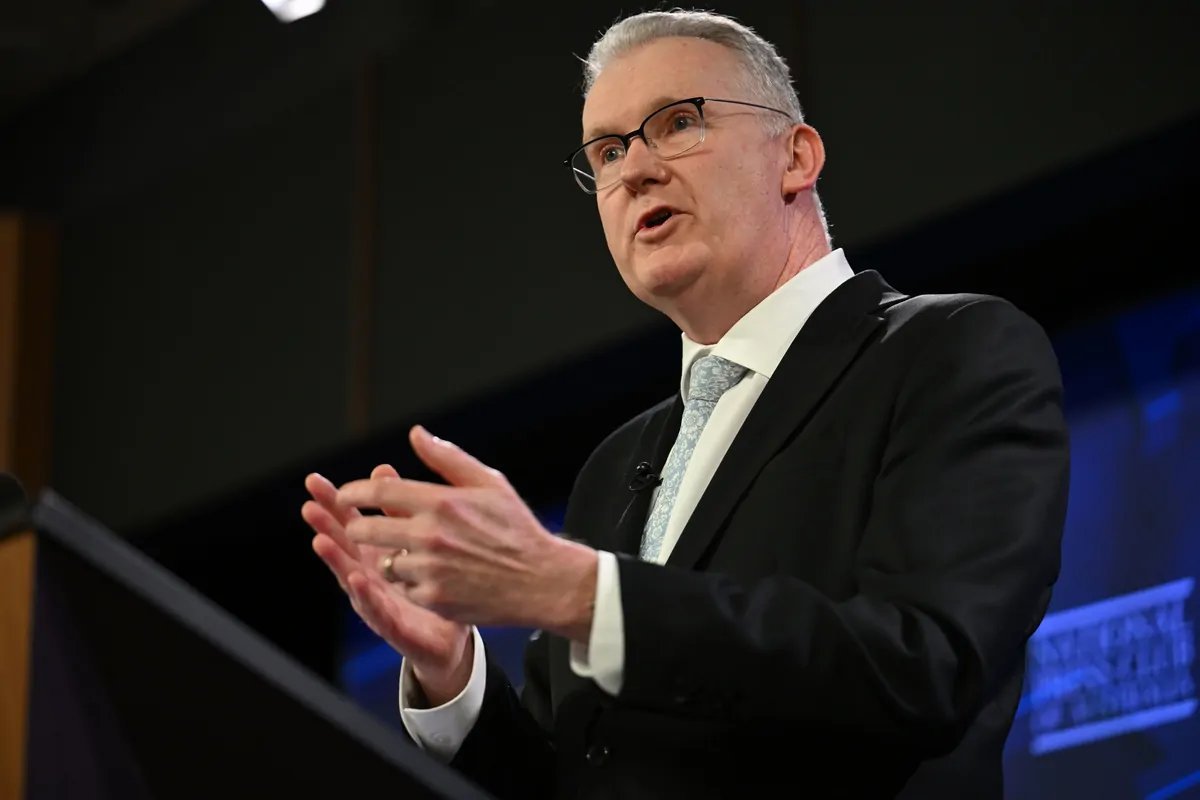
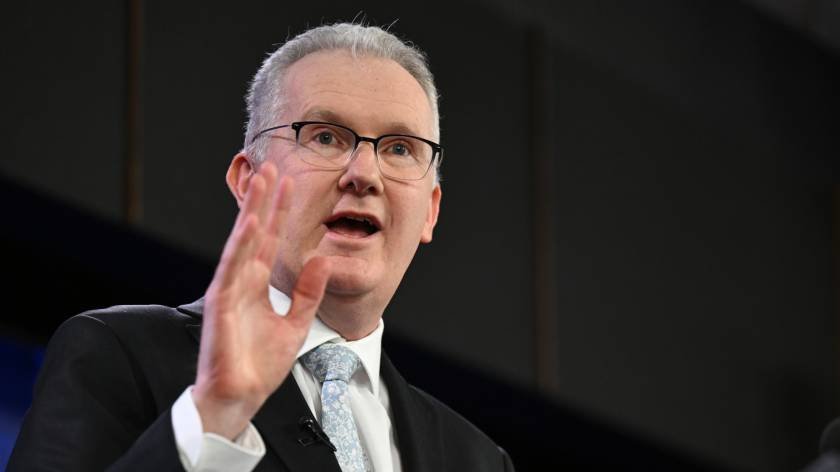
Julian Hill, the Assistant Minister for International Education, is using a speech in Sydney today to acknowledge that Labor’s tough student visa regime is having consequences nobody intended.
He will defend the reforms as essential to restoring integrity to a sector plagued by rorts.
But he will also warn against what he calls an “overcorrection”, conceding that sky-high refusal rates are scaring off precisely the type of applicant Australia wants.
“They are terrified of a visa refusal that hurts their chances of studying elsewhere,” Mr Hill will say.
Officials from the Department of Home Affairs and the Department of Education are drafting new financial standards for applicants from South Asia, along with a replacement for Ministerial Direction 106.
Universities and education agents will be consulted in November.
The aim, according to the government, is to make the system easier to navigate and to give prospective students a clearer picture of whether they will actually be approved, without loosening the broader clampdown.
The numbers explain the urgency.
Ministerial Direction 106 was introduced in 2024 to help immigration officers judge whether applicants were genuinely coming to study, including closer scrutiny of their finances. Rejections exploded almost immediately.
Last financial year, more than 24.2 per cent of all student visa applicants were knocked back. For some countries the picture was far bleaker.
Over 51 per cent of Nepalese applications were refused, while more than 40 per cent of Indian applicants met the same fate.
Those two nations have long been among the most important source markets for Australian institutions.
The fallout is now hitting balance sheets.
New commencements at public universities are projected to drop by about 18 per cent this year, a slide expected to erase roughly $2 billion in revenue across three years.
Mr Hill will argue the visa rules are only part of the story, pointing to fierce competition from rival destinations and the cost-of-living crisis as other key drivers of the downturn.
The crackdown did not emerge from nowhere.
After borders reopened following the pandemic, net overseas migration surged to record levels, adding pressure to an already strained housing crisis and fuelling public anger over rents and infrastructure.
Student numbers became a political lightning rod. Labor responded with a suite of measures targeting what it described as non-genuine students using education as a back door to work and residency.
That campaign continues. The government has moved to block new enrolments in a graduate diploma it suspects was being exploited to switch courses and extend stays.
It has also flagged restrictions on international student families, caps on longer backpacker stays and a renewed push against visa overstayers.
Analysis: What This Means for Australia
International education is Australia’s fifth-largest export sector and supports about 250,000 jobs. That is not an abstract figure.
It is lecturers, researchers, landlords, cafe owners and retail workers in suburbs and regional towns that rely on student spending.
An 18 per cent fall in new public university enrolments flows directly into research budgets, course offerings and staff rosters. Many universities have used international fee revenue to cross-subsidise research and teaching for domestic students.
When that money disappears, Australian students feel it too.
There is also a national security and integrity dimension. A poorly policed system invites exploitation, from dodgy colleges to labour trafficking.
The government’s dilemma is how to shut those doors without slamming the gate on legitimate talent.
Mr Hill appears willing to accept a smaller pool of applicants in exchange for predictability. He will float the idea of lifting financial thresholds, arguing clearer rules could boost approval rates even if fewer people qualify.
“Even if this means raising the financial standards and a smaller pool of prospective students, I want grant rates to improve and greater certainty for everyone,” he will say.
A New Zealand-style model, in which students deposit funds covering tuition and living costs to prove their capacity, is also on the table, though Mr Hill will stress it is a longer-term option.
Socially, the shift raises uncomfortable questions about who gets to study here. Higher financial bars will inevitably favour wealthier families, potentially reshaping the diversity of campuses across the country.
Mr Hill will also take aim at private providers he accuses of “harvesting” profits, contrasting them with public universities that pour surpluses back into teaching, research and facilities.
He will argue that where onshore student numbers must be limited, the greatest value for the nation and taxpayers comes from those enrolled at public institutions alongside young Australians.
Education sector observers believe the speech signals a deliberate tilt in favour of public universities, which could put mounting pressure on private colleges already squeezed by tighter rules.
Migration policy analysts say the government is attempting a delicate balancing act. Restoring confidence among overseas applicants while appearing tough on migration at home is, in their view, a narrow path with little margin for error.
Industry insiders warn that reputational damage abroad can outlast any policy fix. Families in South Asia talk, agents share refusal statistics, and perceptions harden quickly.
Once a country is seen as hostile, winning students back can take years.
Mr Hill will insist Labor has no intention of “tanking” the sector in the way he says Canada did with its own sweeping cuts. He maintains the reforms are vital to the system’s integrity.
Whether the coming overhaul restores trust, or simply confirms Australia as a destination for the wealthy few, may determine the future of an industry worth billions to the Australian economy.